US-Iran Conflict Enters Tenth Day, Impacting Energy Stocks and Market Volatility
Continuous US military strikes on Iran and retaliatory attacks increase sector rotation and trading volumes in energy and defense stocks.
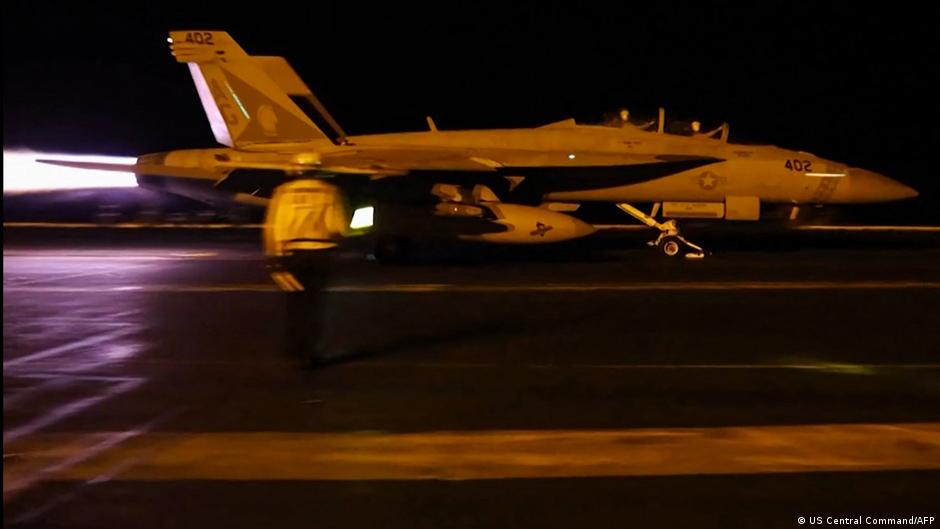
The ongoing military conflict between the United States and Iran has now entered its tenth consecutive day, prompting noticeable shifts in Wall Street trading patterns, particularly in energy and defense sectors. The US Central Command (CENTCOM) announced a new wave of strikes targeting Iranian air defense systems, missile launch sites, and drone platforms on July 20, aiming to further degrade Iran's military capabilities used for attacking civilian shipping in the strategic Strait of Hormuz.
Market Reactions and Sector Rotation Amid Rising Tensions
These military actions have triggered increased volatility across several sectors. Energy stocks, especially those linked to oil transportation and production, have seen heightened trading volumes due to concerns over supply disruptions through the Strait of Hormuz—a key maritime chokepoint. According to data from the London Stock Exchange, maritime traffic through the strait has declined sharply, with only four vessels passing on July 19 compared to eight the previous day, signaling potential supply bottlenecks.
"These strikes aim to weaken Iran's military capacity that threatens civilian vessels, directly impacting global energy supplies," said a CENTCOM statement.
Defense sector equities have also experienced increased activity as investors reassess risk profiles amid escalating hostilities. Shares of companies specializing in aerospace, missile defense, and unmanned aerial vehicle technologies have benefited from expectations of heightened military procurement.
Meanwhile, broader equity markets have exhibited cautious sentiment. The geopolitical risk has contributed to a rotation away from riskier assets into traditional safe havens, while equity research firms are closely monitoring the evolving situation for potential impacts on global supply chains and energy prices.
Iran’s recent retaliatory drone and missile strikes on US military bases in Kuwait and Jordan have further intensified concerns. These developments come after Tehran declared the collapse of a tentative ceasefire agreement with Washington, which had aimed to negotiate a final peace deal within 60 days.
In Washington, President Donald Trump publicly warned Iran of "multiple" retaliatory responses for any further US military casualties, underscoring the administration’s hardline stance. This rhetoric has reinforced investor apprehension about prolonged conflict risks, affecting equities tied to geopolitical stability.
With CENTCOM reporting the deaths of three US service members during the current escalation—bringing total US casualties since February to 17—investors are weighing potential scenarios for conflict resolution or escalation and their broader economic ramifications.
"The unfolding military engagements and their direct effects on the Strait of Hormuz shipping lanes are pivotal factors that Wall Street traders are factoring into sector allocations," commented a market analyst. "Energy and defense stocks are experiencing heightened liquidity as traders respond to fast-changing geopolitical developments."
As the conflict continues, market participants are advised to monitor developments closely, particularly any disruptions to oil supply routes and shifts in defense spending forecasts, which will likely influence equity performance in the near term.