US-Iran Agreement on Strait of Hormuz Communication Channel Influences Market Sentiment
Diplomatic progress between the US and Iran over the Strait of Hormuz prompts sector rotation and impacts trading volumes on Wall Street.

The recent diplomatic breakthrough between the United States and Iran, involving the establishment of a communication channel to prevent incidents in the strategically crucial Strait of Hormuz, has generated notable reactions across financial markets. The agreement, reached during negotiations held at the Burgenstock resort in Switzerland, signals a potential de-escalation of geopolitical tensions that have long affected oil prices and related equities.
Market Impact and Sector Rotation
Following the announcement, Wall Street experienced shifts in trading volumes and sector preferences. Energy stocks, which had been volatile due to concerns over supply disruptions in the Strait of Hormuz, saw a mixed response. Some oil exploration and production companies recorded modest gains as the risk of supply blockage appeared reduced, while defense contractors faced selling pressure amid expectations of decreased military tensions.
"The establishment of a direct line of communication between the US and Iran could mark a turning point, mitigating risks in energy markets and encouraging a rotation away from defensive sectors," commented an equity research analyst.
Financial markets responded with increased trading volumes in sectors sensitive to geopolitical risks, including energy, industrials, and materials. Investors appear to be recalibrating positions, cautiously optimistic about the potential for sustained peace but mindful of the complexities involved in the ongoing negotiations.
Details of the Agreement and Future Outlook
The high-level committee overseeing the negotiations agreed on a 'roadmap' aimed at finalizing comprehensive accords within 60 days. Central to the agreement is the creation of a dedicated communication channel to prevent misunderstandings and incidents in the Strait of Hormuz, a vital passage for global oil shipments.
Additionally, the parties have formed a joint committee including representatives from Iran, the US, and Lebanon to address military operations in Lebanon, further signaling a broader regional de-escalation effort. Technical discussions are set to continue through the end of the week at the Swiss resort.
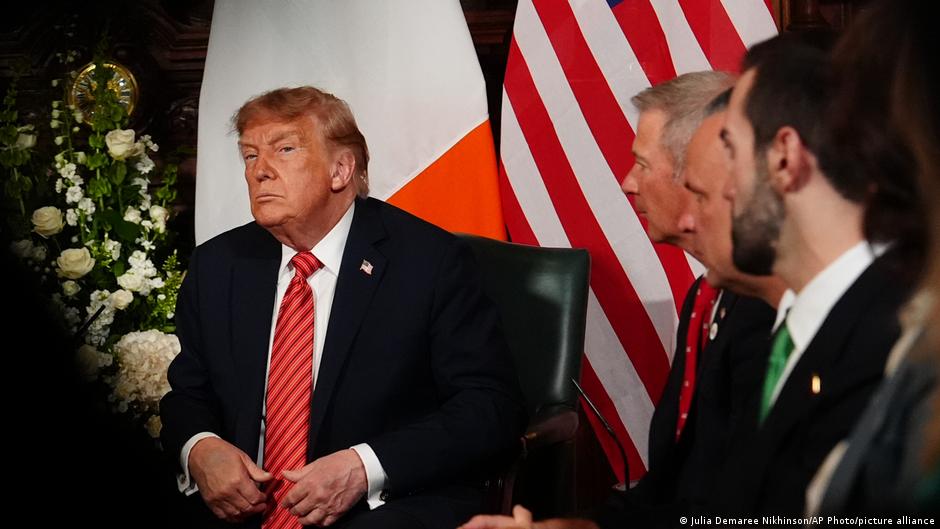
The diplomatic progress follows a period of heightened tensions, including Iran's temporary closure of the Strait of Hormuz in response to military actions in Lebanon and perceived breaches of commitments by the US. The framework agreement signed by US President Donald Trump and Iranian President Masoud Pezeshkian in mid-June extends a ceasefire and includes provisions for reopening the Strait.
Equity research teams are closely monitoring these developments, assessing potential impacts on oil supply stability, defense spending, and regional stability. The consensus view suggests that while risks remain, the diplomatic initiative could reduce volatility and foster a more favorable environment for equities exposed to Middle Eastern geopolitics.
Investors and market participants are advised to watch for further updates as the 60-day negotiation period progresses, with the potential for additional sector rotation and shifts in trading strategies contingent on forthcoming diplomatic outcomes.