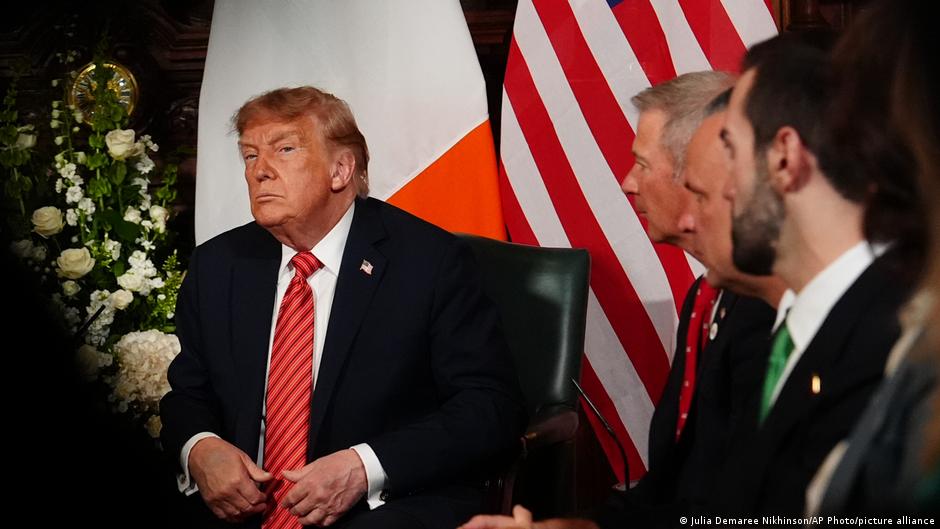
US Intelligence Warns Israeli PM Netanyahu May Disrupt US-Iran Deal, Impacting Market Sentiment
Concerns over Israeli opposition to US-Iran agreement trigger sector rotation and increased trading volumes in defense and Middle East-focused stocks.
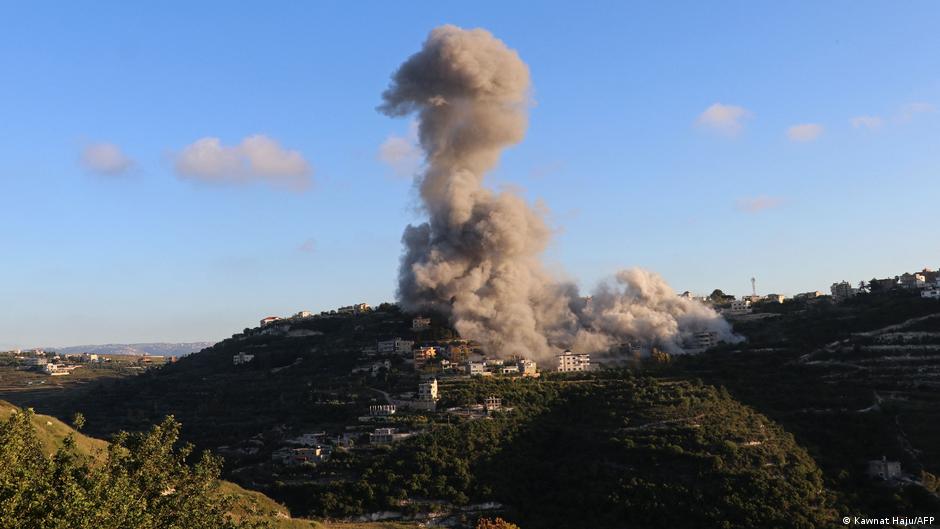
US intelligence agencies have alerted the Trump administration that Israeli Prime Minister Benjamin Netanyahu may attempt to undermine the newly signed long-term US-Iran agreement, according to reports citing unnamed US officials. This development has stirred market reactions, particularly within defense sectors and equities linked to Middle Eastern geopolitical risks.
Geopolitical Tensions Trigger Market Sector Rotation
The intelligence warning centers on Israel's dissatisfaction with the terms of the US-Iran memorandum of understanding signed on June 17. Israeli authorities perceive the deal as easing pressure on Tehran and potentially restricting Israel's ability to counter the Iran-backed Lebanese Shiite militant group Hezbollah. Netanyahu’s intent to continue military operations against Hezbollah conflicts with Tehran's conditions for further negotiations with Washington.
"The Israeli government's stance, influenced by domestic support for combating Hezbollah, could disrupt US diplomatic efforts and heighten regional instability," analysts note.
Investor sentiment has responded with increased trading volumes in defense stocks and companies with exposure to Middle East conflicts, suggesting a rotation away from riskier assets toward sectors perceived as hedges amid geopolitical uncertainty.
Market observers highlight that Netanyahu's political calculus is shaped by upcoming Israeli parliamentary elections scheduled for fall 2026, with public opinion strongly favoring continued efforts against Hezbollah. According to a May poll by Israel’s Institute for National Security Studies, 70% of Jewish residents support intensified action against the group, putting pressure on Netanyahu to maintain a hardline approach.
This political dynamic compounds concerns that Israel’s actions could complicate Washington’s negotiation strategy. Reports indicate Netanyahu is leveraging right-wing media and supportive US senators to influence President Trump's position, reflecting in part an attempt to prevent consummation of the Iran deal.
Market Implications and Equity Research Perspectives
Following the announcement of the agreement and subsequent reports of ongoing hostilities in Lebanon, key Middle East equities and defense contractors have experienced volatility. Shares in companies supplying military and surveillance equipment to the region have seen upticks in trading volume, driven by expectations of continued demand amid conflict persistence.
However, a tentative ceasefire agreement reached on June 19 between Israel and Hezbollah, despite reported violations, has somewhat tempered immediate market fears. Israeli Defense Forces reportedly remain stationed in southern Lebanon, prolonging the potential for flare-ups.
Equity research analysts advise cautious monitoring of this evolving geopolitical landscape. The delayed US-Iran negotiation talks, initially scheduled for June 19 but postponed, extend uncertainty and underscore risks that could affect energy markets and investor confidence broadly.
President Trump's remarks following the postponement emphasized a hardline US stance, indicating no financial concessions to Iran during the intended 60-day negotiation window. Such rhetoric may further impact market sentiment, particularly among sectors sensitive to Middle Eastern stability.
In conclusion, the intersection of US intelligence warnings, Israeli political strategy, and the volatile US-Iran diplomatic process is prompting a strategic rotation in stock markets. Investors are advised to track developments closely, as shifts in geopolitical risk perceptions continue to influence sectoral performance and trading volumes.