US Imposes Up to 100% Tariffs on Drone Imports, Impacting Defense and Tech Stocks
Trump administration introduces steep tariffs on drones and components, citing national security concerns and aiming to boost domestic production.
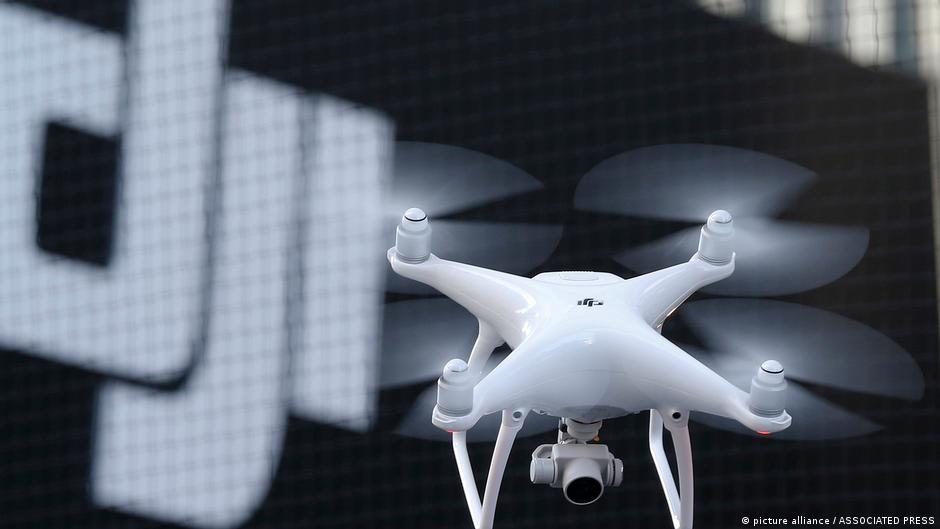
The US government has announced significant tariffs on the import of drones and their components, a move expected to ripple through the aerospace, defense, and technology sectors on Wall Street.
On August 13, President Donald Trump signed a proclamation imposing tariffs of up to 100% on certain categories of unmanned aerial vehicles (UAVs) and critical components. The tariffs target drones with a maximum takeoff weight above 25 kilograms equipped with thermal imaging technology, which are deemed essential for national security.
Details of the Tariff Structure and Industry Implications
The new tariff regime levies a 100% duty on larger, advanced drones and certain dock stations and critical components, while smaller drones weighing 25 kilograms or less face a 25% tariff. Importantly, imports from key US allies and partners — including the European Union, Japan, South Korea, Switzerland, Taiwan, and Liechtenstein — will be subject to reduced tariffs of 15%. The United Kingdom will face a 10% tariff, reflecting differentiated trade relationships.
These tariffs will take effect 21 days after the proclamation, with less critical drone components seeing tariffs begin 180 days post-announcement.
"Drones represent a key technology in modern warfare and are critical to current and future US military operations. Dependence on foreign suppliers for key components poses significant national security and cybersecurity risks," the White House stated.
This move is designed to reduce reliance on foreign supply chains dominated by China, which currently leads the global drone manufacturing industry. Concerns over Chinese components in military drones have been exacerbated by recent reports of sensitive UK naval drones transmitting data back to China, as well as findings that China has been supplying drones to Russia via Thailand.
Sector analysts anticipate immediate market reactions in stocks of drone manufacturers, defense contractors, and semiconductor firms supplying drone components. The tariffs could trigger a sector rotation favoring domestic producers and suppliers in the US drone ecosystem.
Trading volumes in related equities are likely to spike as investors reassess exposure to companies vulnerable to Chinese supply chain disruptions. Equity research teams are expected to update forecasts to reflect potential for accelerated US drone production and shifts in global drone supply dynamics.
Overall, while the tariffs aim to bolster US manufacturing and secure defense capabilities, they introduce new trade tensions and supply chain challenges that will reverberate across the technology and defense sectors in the near term.