US Imposes Sanctions on Key Cuban State Firms, Impacting Market Sentiment and Sector Dynamics
New US sanctions target five Cuban state companies controlling 40% of the economy, prompting equity market reactions and sector rotation on Wall Street.
The United States has expanded its sanctions regime against Cuba by imposing new restrictions on five major Cuban state-owned companies that collectively control around 40% of the country's Gross Domestic Product (GDP). This move has triggered increased market attention on related sectors and specific equities with exposure to the region.
Market Impact and Sector Rotation
Announced on June 23, these fresh sanctions target firms linked primarily to the Grupo de Administración Empresarial S.A. (GAESA), a business conglomerate managed by Cuba’s Revolutionary Armed Forces. GAESA is believed to hold liquid reserves estimated at $14.5 billion as of 2024, underscoring the scale of its economic influence.
The companies sanctioned are involved in several key economic activities, including export-import operations, foreign investments, financial transactions, and raw steel production. Additionally, the measures extended to the spouse of Alejandro Castro, head of Cuba's National Security Council and son of former leader Raúl Castro.
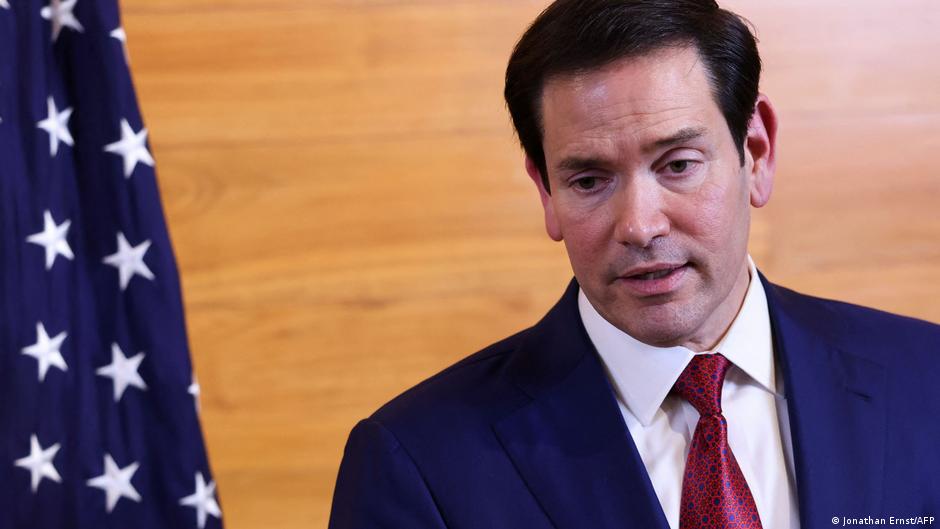
"The Cuban regime uses GAESA to enrich itself and fund repression, espionage, and anti-American activities," stated US Secretary of State Marco Rubio, emphasizing the justification for the sanctions.
Wall Street equity research teams are closely monitoring the ripple effects across industries such as energy, materials, and financials. Trading volumes have shown notable shifts as investors reassess risk exposure to companies with ties to Cuban markets or operations impacted by related geopolitical tensions.
Sector rotation has been observed, with some investors moving away from commodities and companies with emerging market exposure towards safer assets amid uncertainty. The sanctions have also revived scrutiny of US firms with prior claims against Cuban nationalizations, notably in the energy sector.
Legal Developments and Broader Implications
Coinciding with the sanctions, the US Supreme Court upheld the right of American companies to sue for compensation over nationalized properties in Cuba dating back to Fidel Castro's government decades ago. Notably, ExxonMobil has been authorized to pursue claims concerning Cuban-operated oil refineries, terminals, and over 100 gas stations expropriated in 1960.
The potential compensation could reach up to $1 billion, according to industry sources. This legal validation may strengthen the position of the current US administration in maintaining a hardline stance toward Cuba and likely intensify geopolitical tensions.
Investors on Wall Street should anticipate increased volatility in sectors linked to these developments, particularly energy and materials, as well as potential ripple effects on financial institutions involved in foreign transactions with Cuban entities.
Overall, these sanctions and legal rulings underscore the geopolitical risks that continue to influence market dynamics and equity valuations, necessitating vigilant analysis from market participants and equity researchers.