US Extends Sanctions Waiver for Serbia’s NIS Amid Ongoing Gazprom Stake Sale
Temporary US license prolongs operations of Serbia’s NIS under sanctions, impacting energy sector dynamics and equity outlook.
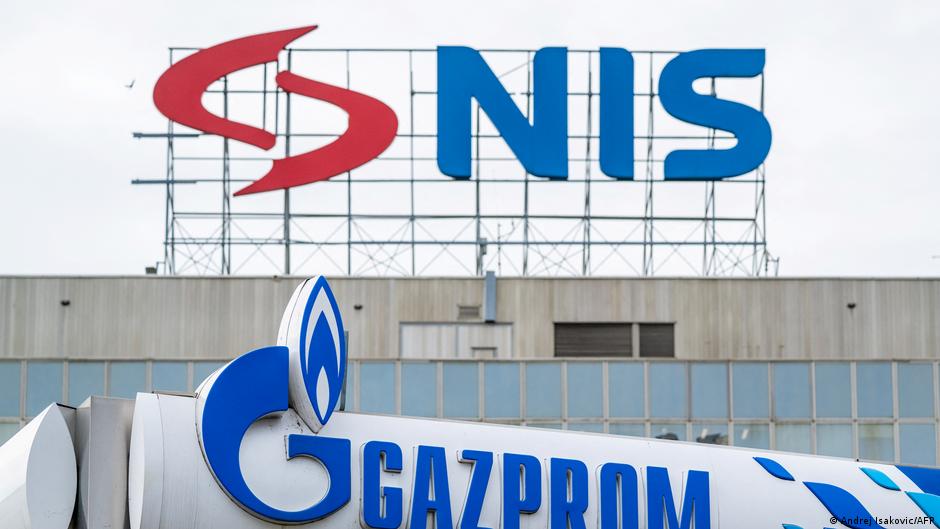
On June 30, the United States extended for an additional 30 days a temporary license allowing Serbia’s oil company Naftna Industrija Srbije (NIS), partially owned by Russia’s Gazprom, to continue operations despite existing American sanctions. This latest extension prolongs the deadline for completing the sale of Gazprom's stake, a move that has significant implications for energy markets and investor sentiment.
Sanctions and the Strategic Sale of Gazprom’s Stake in NIS
The sanctions against NIS were first introduced in January 2025 after Gazprom’s 56% combined ownership—including 44.9% directly held by Gazprom Neft and another 11.3% by Gazprom’s investment unit—was targeted by the US government. Washington has mandated the sale of this majority stake, originally setting a May 22, 2026 deadline for completion. However, the US Treasury’s Office of Foreign Assets Control (OFAC) has repeatedly extended this deadline, most recently by 30 days.
These restrictions have disrupted traditional oil supply channels in the Balkans, notably halting oil flows through the Adriatic JANAF pipeline and temporarily suspending refinery operations in Pančevo, Serbia. The refinery, however, has resumed processing crude oil under the latest license extension, according to Serbia’s Minister of Energy Dubravka Đedović-Handanović.
"The Pančevo refinery continues to process crude oil, maintaining critical fuel supplies for Serbia," stated Minister Đedović-Handanović.
In January 2026, Hungarian energy giant MOL agreed to acquire Gazprom’s stake in NIS in a deal marking a key shift in regional energy ownership and influence. MOL’s purchase is viewed as a strategic move to consolidate its presence in Southeast Europe’s oil sector, although the finalization has been delayed pending regulatory approvals and sanctions compliance.
Market Impact and Sector Rotation
The extensions on the sanctions timeline have generated mixed reactions among investors and equity analysts. Shares of MOL and other regional energy companies have experienced increased volatility amidst uncertainty over the transaction’s completion. The persistent delays have also affected trading volumes in energy-related equities, with some investors rotating capital into alternative energy sectors perceived as less exposed to geopolitical risks.
Equity research teams highlight that while NIS plays a critical role in meeting Serbia’s fuel demand—providing 80% of gasoline and diesel and over 90% of jet fuel and heavy fuel oil—ongoing sanction risks continue to suppress its valuation multiples. Analysts are closely monitoring developments, noting that a successful transaction could stabilize the market and potentially unlock value for MOL investors.
Sector rotation trends suggest a cautious stance among portfolio managers, balancing exposure between traditional oil and gas firms and renewables or integrated energy companies less vulnerable to sanctions or Russian asset involvements.
Overall, the US decision to extend NIS’s operational license underscores the complex interplay between geopolitical considerations and market realities in the global energy sector, with implications for equity valuations and trading strategies on Wall Street.