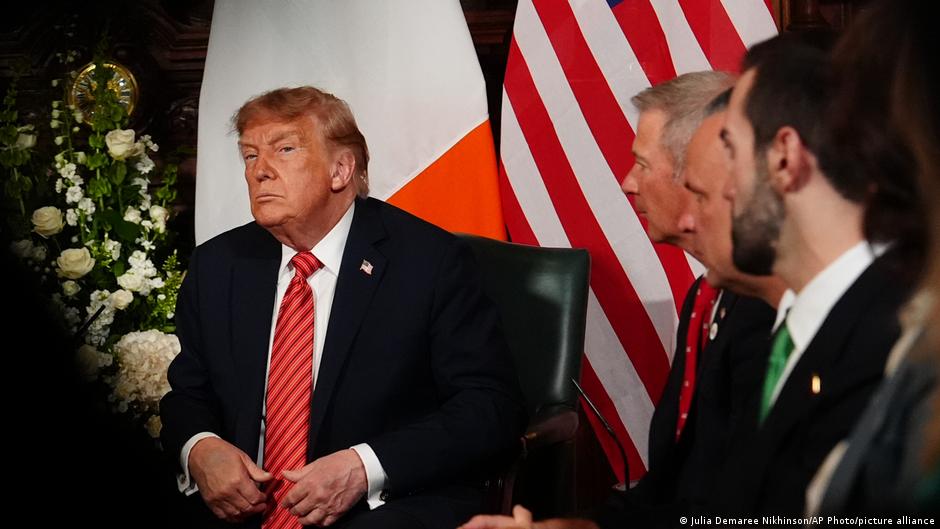
US Diplomatic Leadership Shift in Ukraine Amid Trump Administration's Policy Changes
Julie Davis to leave Kyiv post as diplomatic tensions rise under Trump’s reduced support for Ukraine, impacting market perceptions.
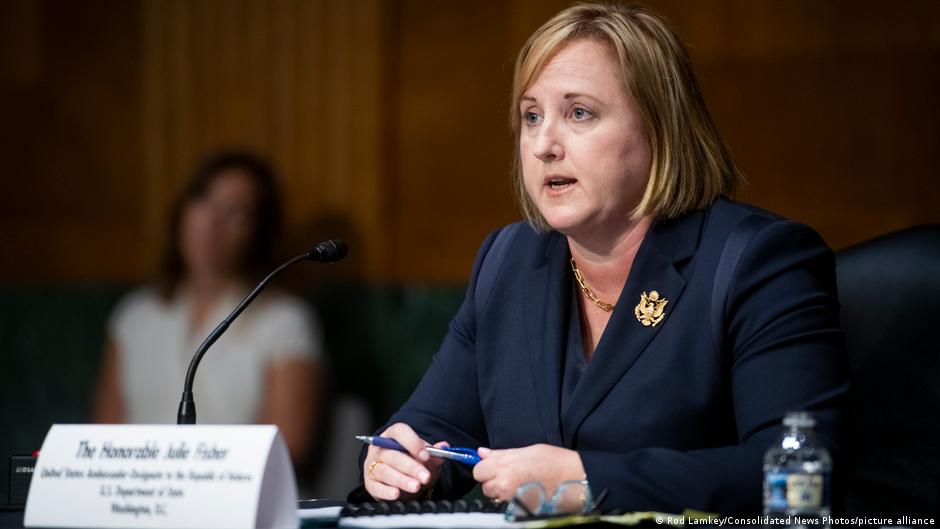
The US temporary chargé d'affaires in Ukraine, Julie Davis, is set to leave Kyiv in the coming weeks, signaling a notable shift in American diplomatic presence during a critical period of US-Ukraine relations. This development comes amid reported disagreements with President Donald Trump, whose administration has curtailed support for Ukraine.
Diplomatic Changes and Market Implications
According to reliable sources, Davis has notified the US State Department of her intention to retire, concluding a distinguished 30-year diplomatic career. While the State Department has denied that her departure is linked to disagreements with Trump—affirming that Davis has consistently supported the administration's efforts towards peace between Russia and Ukraine—her exit leaves a significant vacancy in the US diplomatic mission in Ukraine.
“She will continue to proudly represent President Trump’s policies until her official departure in June 2026,” said State Department spokesperson Tommy Piggott.
This transition occurs against a backdrop of heightened geopolitical tension, with Russia preparing for intensified military action and peace negotiations reaching an impasse. Historically, the US diplomatic stance has had a direct influence on market stability, especially for sectors sensitive to geopolitical risk such as defense, energy, and commodities.
Stock markets have already exhibited volatility in response to fluctuating international support signals, with trading volumes in defense and energy stocks reacting to the evolving US-Ukraine dynamic. The departure of a key diplomat may exacerbate investor uncertainty, prompting sector rotation as traders reassess risk exposure amid the changing political landscape.
Historical Context and Equity Research Perspectives
Davis’s tenure follows the resignation of Ambassador Bridget Brink in April 2025, who cited pressure from the Trump administration that shifted focus away from Ukraine towards Russia. Brink had been a steadfast advocate for military and economic aid to Kyiv. Earlier, in 2019, Ambassador Marie Yovanovitch resigned under pressure attributed to President Trump, highlighting a pattern of diplomatic turnover linked to political disagreements.
From an equity research standpoint, these diplomatic shifts suggest potential volatility ahead. Analysts note that reduced US support could diminish confidence in Ukrainian stability, impacting Ukrainian equities and related foreign investments. Additionally, defense contractors and energy companies with exposure to Eastern Europe may experience heightened trading activity as markets adjust to the altered geopolitical risk profile.
Investors should monitor upcoming appointments to the US diplomatic mission in Ukraine closely. The vacancy created by Davis’s departure amid critical negotiations may influence market sentiment, with implications for sector-specific performance and overall trading volumes on Wall Street.
In summary, the evolving US diplomatic landscape in Ukraine under the Trump administration presents a complex backdrop for investors. Sector rotation towards perceived safe havens and increased volatility in defense and energy stocks are likely as markets respond to these geopolitical developments.