US-Bolivia Anti-Drug Cooperation Resumes After 18 Years, Impacting Market Sentiment
The new US-Bolivia agreement to combat drug trafficking may influence sector rotation and trading volumes in related stocks.
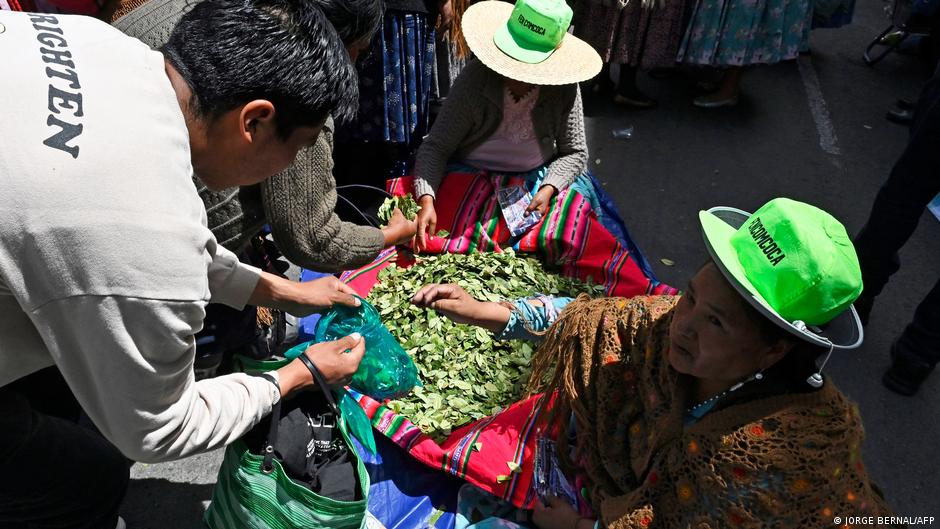
After an 18-year diplomatic hiatus, Bolivia and the United States have signed a landmark agreement to jointly combat drug trafficking and transnational organized crime. This development marks the first formal cooperation between the two nations since 2008, when Bolivia severed ties with the US and expelled DEA agents.
Market Implications of Renewed US-Bolivia Cooperation
The agreement, officially titled the "Agreement on Strengthening Bilateral Cooperation in Combating Illegal Drug Trafficking and Transnational Organized Crime," was signed on June 16 by Bolivia's Foreign Minister Fernando Aramayo. Under the deal, the US will allocate up to $20 million to train Bolivian specialists and provide equipment for anti-narcotic efforts.
Bolivia ranks as the world's third-largest cocaine producer, a fact that has historically affected global commodities and security sectors. The renewed cooperation may trigger shifts in investor sentiment, particularly in shares related to security services, law enforcement technology providers, and companies involved in drug control logistics.
Equity research analysts point out that this agreement could lead to increased government spending in anti-narcotics, potentially benefitting firms supplying surveillance and enforcement equipment. Additionally, with the bolstered fight against drug trafficking, regional stability may improve, encouraging foreign investment in Latin American markets.
"The US-Bolivia agreement is a significant geopolitical event that may catalyze sector rotation into security and defense stocks while impacting trading volumes in related equities," noted a market strategist.
Trading volumes for stocks in the security and defense sectors may see increased activity as investors react to the geopolitical developments. Conversely, companies tied to illicit trade networks could face heightened regulatory risks, prompting reevaluation of their market valuations.
Sector rotation is also likely to reflect heightened focus on Latin American markets, where political stability concerns have previously deterred investment. Analysts will be closely monitoring how this diplomatic thaw influences broader market dynamics and investor confidence.
Despite the resumption of cooperation, the US and Bolivia have yet to restore diplomatic relations fully, and the DEA office in La Paz remains closed. Nevertheless, this agreement represents a critical step in addressing the global narcotics challenge and may have tangible effects on related equities.