Russian Missile Strikes on Kyiv Escalate Geopolitical Tensions Impacting Global Markets
Ballistic missile attacks on Ukraine's capital result in casualties and raise concerns over market volatility and sector rotation.
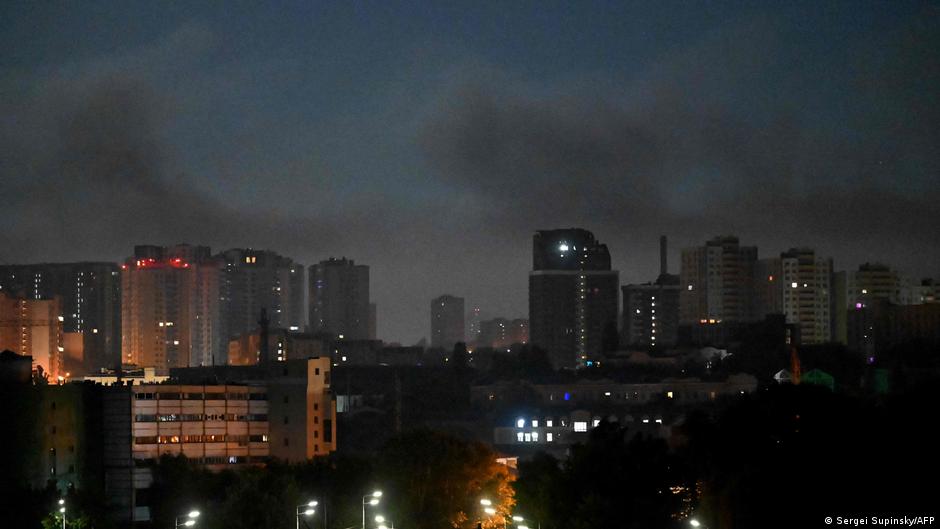
On the night of August 1, Kyiv, the capital of Ukraine, was struck by a series of Russian ballistic missile attacks, resulting in at least nine confirmed deaths and 23 injuries. This escalation in the conflict has potential implications for global financial markets, particularly in sectors sensitive to geopolitical risks.
Market Reactions and Sector Implications
The missile strikes targeted multiple districts in Kyiv, causing destruction to residential and industrial properties as well as fires. The immediate human toll included casualties among civilians, including teenagers, and significant infrastructural damage.
From a Wall Street perspective, such geopolitical events typically trigger increased volatility in equity markets, influencing trading volumes and prompting shifts in investor sentiment. Defense stocks may experience heightened interest as governments worldwide reassess military spending and security measures. Conversely, sectors like travel, tourism, and consumer discretionary could face downward pressure due to rising uncertainty.
"Geopolitical instability in Eastern Europe is expected to drive a rotation into defense and energy sectors while increasing volatility across equities," noted equity research analysts following the developments.
Oil and energy sectors also warrant close monitoring given the region's role in global energy supply chains. Escalations can lead to supply disruptions or heightened commodity prices, impacting energy equities and broader market indices.
Trading Volumes and Investor Sentiment
Following the news of the attacks, markets may observe spikes in trading volumes as investors react to new risk assessments. Safe-haven assets such as gold and U.S. Treasuries typically see increased demand, while equities may experience sell-offs or sector rotations.
Analysts recommend that investors closely monitor geopolitical developments and consider the potential for increased volatility in the near term. Portfolio adjustments favoring sectors with defensive characteristics or those likely to benefit from increased defense spending may provide some insulation from market shocks.
In summary, the recent missile attacks on Kyiv underscore the fragile geopolitical landscape in Eastern Europe and highlight the importance of geopolitical risk factors in equity markets. Investors and market participants should remain vigilant as developments continue to unfold.