NATO's Nuclear Deterrence Expansion in Europe Spurs Market Focus on Defense Stocks
NATO considers deploying tactical nuclear weapons in Poland, Finland, and Lithuania amid heightened security risks, influencing defense sector equities and trading volumes.
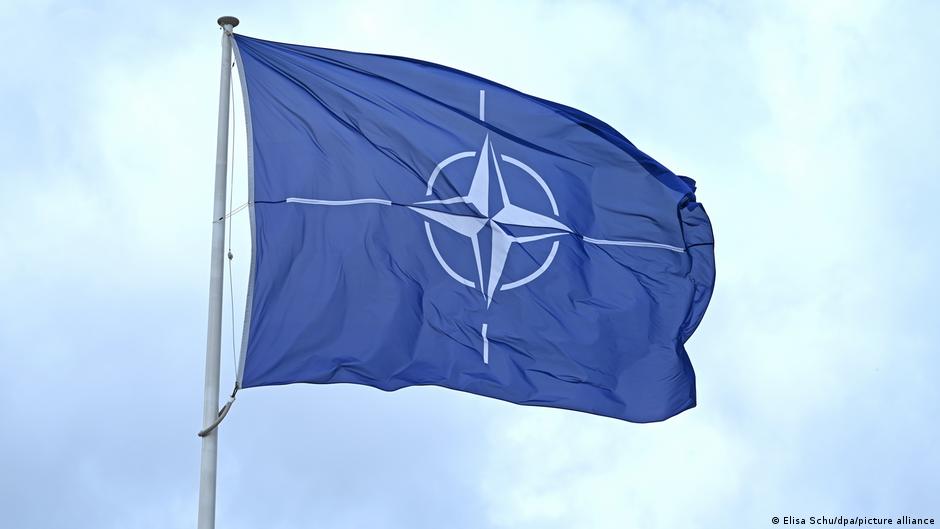
NATO allies are actively discussing plans to expand nuclear deterrence capabilities across Europe, specifically focusing on potential deployments in Poland, Finland, and Lithuania. This move responds to rising geopolitical tensions stemming from the perceived Russian threat, raising significant implications for defense-related equities on Wall Street.
Strategic Implications for the Defense Sector
The North Atlantic Treaty Organization is considering the deployment of tactical nuclear weapons — smaller yield nuclear arms designed for use against military infrastructure such as troops, airfields, ports, and command centers. These weapons are delivered via fighter jets or cruise missiles and differ from strategic nuclear weapons in terms of scale and intended targets.
The deliberations come amid evolving security dynamics in Europe, with NATO Secretary-General Mark Rutte recently acknowledging the possibility of stationing additional American nuclear weapons on the continent, though he withheld specifics about the ongoing discussions. He emphasized the alliance's commitment to ensuring credible deterrence, stating,
"We must guarantee that no one can strike us with nuclear weapons without facing our retaliatory response."
Currently, approximately 100 American B61-12 nuclear bombs are stationed at six airbases across five NATO countries: Germany, Belgium, Italy, the Netherlands, and Turkey. The potential expansion to Poland, Finland, and Lithuania would represent a significant shift in NATO's nuclear posture, reflecting heightened security concerns.
Market Reactions and Equity Research Perspectives
The announcement has triggered increased trading volumes and price movements in defense sector equities, as investors reassess the sector's growth potential amid renewed geopolitical risks. U.S. defense contractors specializing in nuclear-capable aircraft and missile systems have seen a notable uptick in market interest.
Equity research analysts are revisiting sector rotation strategies, with several recommending overweight positions in companies engaged in tactical nuclear weapons delivery technologies and related defense infrastructure. The evolving nuclear sharing arrangements within NATO underscore a potential increase in defense spending and procurement, which could boost revenues for key industry players.
Moreover, legislative changes in Finland removing prohibitions on nuclear weapons importation reinforce the likelihood of expanded NATO nuclear operations on the ground, further supporting defense equities tied to European security frameworks.
Broader Geopolitical Context
Lithuania's president has publicly expressed readiness to join NATO's nuclear deterrence system, though no immediate plans exist for permanent nuclear weapon placement during peacetime on Lithuanian soil. Finland's recent legal amendments, effective July 1, facilitate nuclear weapons deployment, indicating a regional recalibration of defense postures in response to Russia's ongoing conflict with Ukraine.
These developments collectively suggest a shift toward enhanced NATO deterrence capabilities, with corresponding impacts on market sentiment and sectoral investment outlooks. Investors and traders are closely monitoring these geopolitical moves, given their potential to reshape defense budgets, procurement cycles, and ultimately, stock performance.