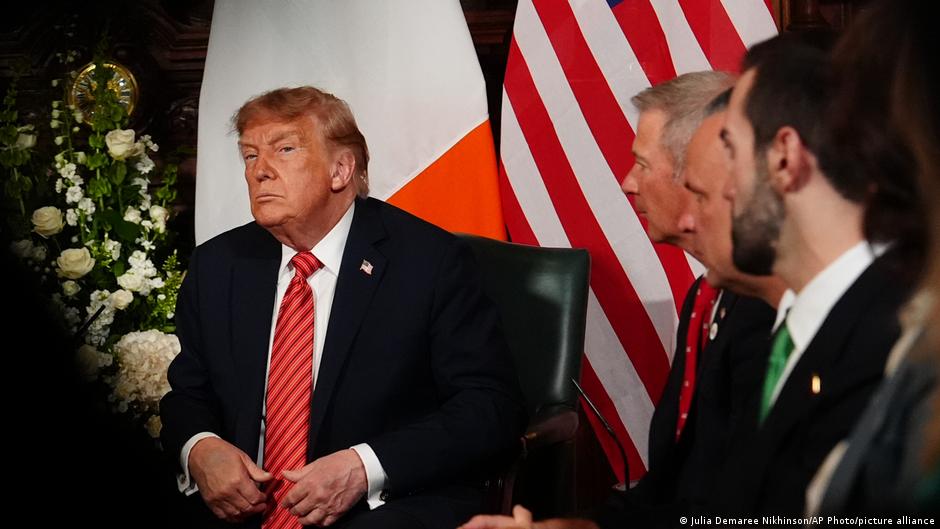
U.S. Announcement of Hamas Disarmament Deal Drives Sector Rotation on Wall Street
Trump's declaration of a historic Hamas disarmament deal triggers market shifts and impacts defense and Middle East-focused stocks.
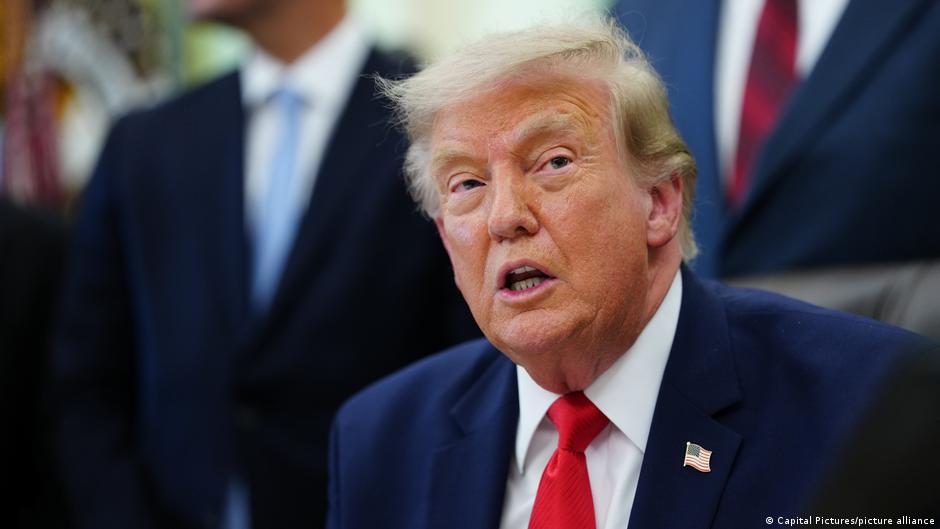
On July 20, 2023, former U.S. President Donald Trump announced a historic agreement regarding the full disarmament of Hamas, the Palestinian Islamist political and militant organization. This declaration marks a significant geopolitical development in the Gaza conflict, with potential ripple effects on Wall Street trading volumes, sector rotation, and investor sentiment.
Market Reaction and Sector Implications
Trump's announcement, made via his social media platform Truth Social, highlighted an "historic agreement" facilitated by mediation from Egypt, Qatar, and Turkey. The deal entails a phased disarmament of Hamas and affiliated armed groups in Gaza and outlines the staged withdrawal of Israeli military forces. The subsequent transfer of governance to a U.S.-backed Palestinian technocratic committee introduces new political stability prospects in the region.
"This is a grand step towards lasting peace and security," Trump stated, emphasizing the importance of the agreement in reshaping the Gaza conflict landscape.
Although the Israeli government has yet to comment publicly on the deal, the U.S.-brokered ceasefire and disarmament plan have already influenced equity markets, particularly within defense, aerospace, and geopolitical risk-sensitive sectors.
Stocks in defense contractors, which had experienced volatility due to ongoing Middle East tensions, saw mixed reactions. Some investors anticipated a reduction in demand for military hardware linked to Gaza operations, while others considered the potential for a new security paradigm that could redirect defense spending towards modernization and non-conflict-related contracts.
Meanwhile, equities with exposure to Middle Eastern energy supply chains and infrastructure responded positively, reflecting expectations of stabilization in a historically volatile region. Trading volumes surged in these sectors as investors repositioned portfolios towards anticipated growth areas driven by diminished active conflict risk.
Equity Research Perspectives
Equity analysts are now revising estimates for companies with significant geopolitical risk exposure. The prospect of gradual Israeli military disengagement and Hamas’s disarmament could lower operational uncertainties for logistics, energy, and defense firms. However, analysts caution that full implementation remains uncertain, and geopolitical risks will persist in the near term due to complex stakeholder dynamics.
Sector rotation is evident as market participants favor firms less reliant on defense contracts tied to active conflict zones, while increasing positions in technology and infrastructure companies poised to benefit from peace-driven reconstruction and governance stability in Gaza.
Trading desks report elevated volumes in ETFs and mutual funds focusing on geopolitical risk mitigation and Middle East regional exposure, signaling heightened investor vigilance accompanied by strategic repositioning.
Conclusion
The U.S. announcement of a Hamas disarmament agreement, despite pending confirmation from Israeli authorities, has already had a tangible impact on Wall Street. Investors are recalibrating portfolios in light of expected sectoral shifts, with defense and energy stocks being the most directly affected. The unfolding political developments will continue to influence market behavior as the situation evolves.