Ukraine President Zelensky Meets All 100 US Senators Amid Key Sanctions Vote
Zelensky's Washington visit includes a Senate meeting as lawmakers prepare to vote on expanded Russia sanctions.
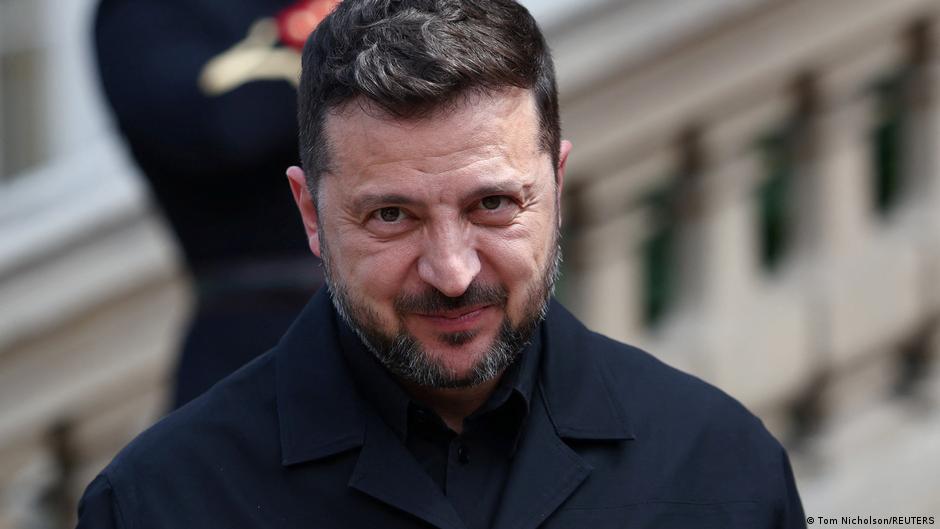
Ukrainian President Volodymyr Zelensky is set to visit Washington, D.C., coinciding with the funeral of Republican Senator Lindsey Graham. During this visit, Zelensky will meet with all 100 members of the United States Senate, marking a significant political event with potential market implications.
The meeting is scheduled for 6:00 p.m. local time on Tuesday at the U.S. Capitol. It comes amid expectations that the Senate will commence voting on a legislative bill aimed at tightening sanctions against Russia—legislation that Senator Graham helped develop before his recent passing.
Sanctions Vote and Market Implications
The sanctions bill seeks to impose stricter restrictions on Russia's economic activities. President Donald Trump has expressed support for the measure, advocating for additional provisions to expand restrictions on Iran and the Lebanese militant group Hezbollah. This multi-faceted sanctions approach could impact sectors linked to energy, defense, and international finance.
"Now is the time to end the war," a White House representative said regarding the discussions between Zelensky and Trump.
Investors should anticipate market volatility around this legislative action. Increased sanctions typically influence energy stocks due to their ties with Russian oil and gas exports, while defense companies may see heightened investor interest amid escalated geopolitical tensions. As trading volumes react, sector rotation toward safer assets or defense-related equities may occur.
Broader Geopolitical Context and Equity Outlook
Beyond the Senate, President Trump plans separate meetings on July 28th with Zelensky and Israeli Prime Minister Benjamin Netanyahu. The discussions are expected to focus on the ongoing conflicts in Ukraine and the Middle East. Key topics include advancing peace initiatives related to the Russia-Ukraine conflict and expanding the Abraham Accords between Israel and Muslim-majority countries.
Equity research teams are closely monitoring these developments as any progress toward peace could reduce geopolitical risk premiums on stocks, particularly in defense and energy sectors. Conversely, prolonged conflict or expanded sanctions might push investors to shift toward less volatile sectors.
Additionally, Ukrainian and U.S. officials have reportedly explored proposals for an aerial ceasefire as part of a broader peace package. Market participants should watch for any breakthroughs or setbacks in these efforts, which will likely influence short-term market sentiment and trading volumes.
In sum, Zelensky's rare engagement with the full U.S. Senate amidst critical legislative activity underscores the intertwined nature of geopolitics and market dynamics. Traders and investors should remain alert to the evolving situation and its potential to drive sector rotation and equity valuations.