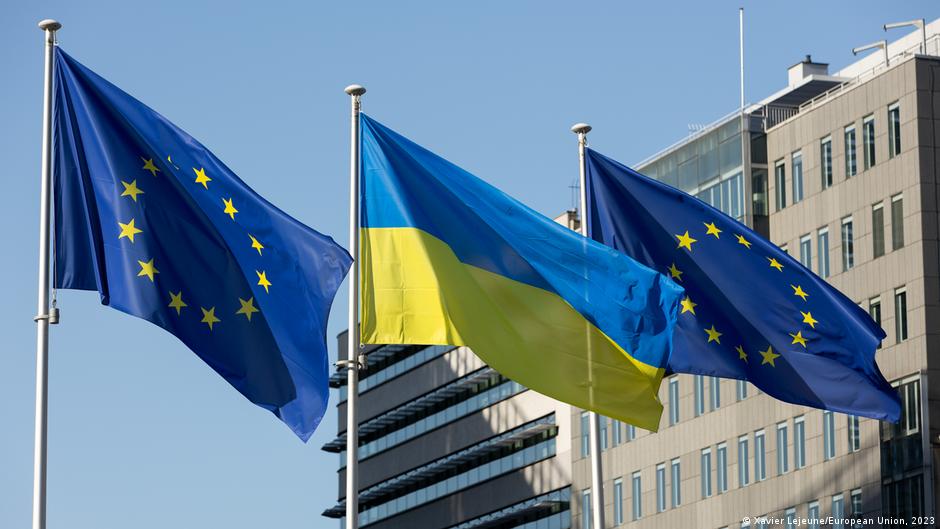
Ukraine Imposes Sanctions on Shipping Firms Over Illegal Grain Exports Amid Geopolitical Tensions
Sanctions against 13 vessels and 28 companies signal increased risks for shipping and agricultural sectors on Wall Street.
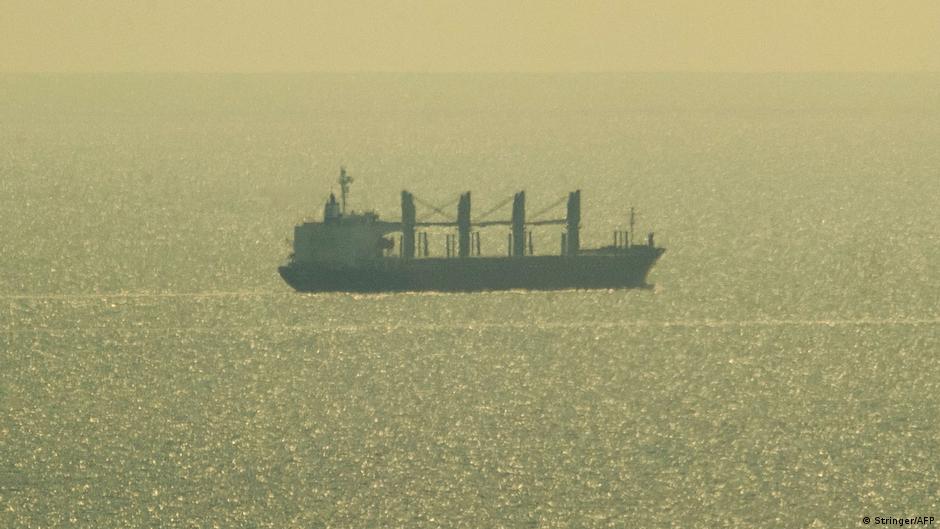
Ukraine has enacted new sanctions targeting 13 vessels and 28 companies involved in the illicit export of grain from territories occupied by Russia. This move, announced by President Volodymyr Zelensky on August 14, aims to curb unauthorized grain shipments and could influence related global markets.
Impact on Shipping and Agricultural Stocks
The sanctions cover ships flagged under Russia (8 vessels), Panama (3 vessels), Belize (1 vessel), and St. Kitts and Nevis (1 vessel), as well as 11 Russian nationals and 28 legal entities. This broad scope highlights the complex international web enabling the unauthorized grain trade.
Wall Street investors should note that companies linked to global shipping, grain trading, and agricultural commodities may experience increased volatility. Sector rotation could favor firms with limited exposure to Eastern European logistics or those specializing in alternative grain export routes.
“Illegal grain exports from occupied Ukrainian territories must have consequences for all involved—from companies and owners to captains and vessels,” said Vladyslav Vlasuk, Ukraine’s presidential envoy for sanctions policy.
The Office of the Ukrainian President indicated intentions to share information with allied countries to synchronize sanctions internationally, potentially amplifying the impact on listed firms engaged in the grain supply chain or maritime transport.
Previously, in November 2022, Ukraine imposed sanctions on 56 vessels that illegally docked at Russian-occupied ports, exporting wheat, sunflower seeds, and other food products. This ongoing enforcement signals sustained geopolitical risks in Eastern Europe that could influence global commodity prices and trade flows.
Equity research teams may reassess the risk profiles of maritime logistics, agricultural exporters, and commodity traders with links to the Black Sea region. Trading volumes could fluctuate as market participants react to geopolitical developments and associated regulatory actions.
Investors are advised to monitor corporate disclosures related to exposure in Eastern Europe and remain alert for potential expansions in the sanctions regime that could affect supply chain dynamics and earnings forecasts.