Ukraine Graft Raids Put Fraud-Call-Center Risk on Wall Street Radar
Ukrainian anti-corruption agencies searched the prosecutor general's office in a case that may sharpen investor focus on fraud enforcement and compliance risk.
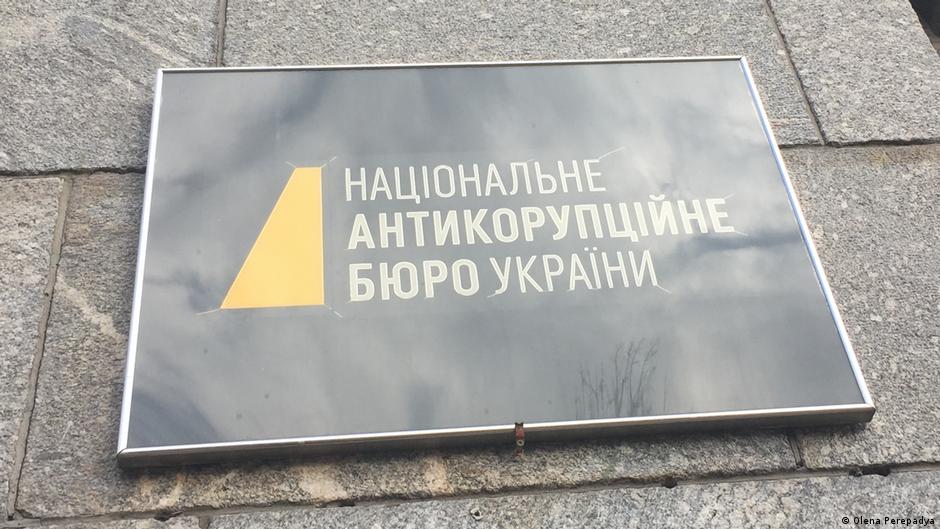
Ukraine's anti-corruption authorities have announced an operation targeting public officials allegedly linked to fraudulent call centers, putting a politically sensitive enforcement case into view for investors watching governance risk, cyber-enabled fraud and Ukraine-related exposure. The National Anti-Corruption Bureau of Ukraine, known as NABU, and the Specialized Anti-Corruption Prosecutor's Office, known as SAP, said they were conducting an operation to expose a criminal organization allegedly involved in protecting a network of fraudulent call centers and legalizing property.
According to statements published on the Telegram channels of NABU and SAP on Friday, September 4, investigators believe the organization was headed by an employee of the Office of the Prosecutor General of Ukraine. The agencies said they would provide further details later. On the same day, searches were carried out at the prosecutor general's office.
For Wall Street, the immediate read-through is not a single-stock event. No publicly traded company was named in the source material, no equity ticker was directly implicated, and no trading volume figures were disclosed. The market relevance is instead centered on broader sector and country-risk themes: anti-fraud technology, compliance services, financial crime monitoring, cyber defense and the governance discount that can attach to jurisdictions under wartime pressure.
Limited Direct Equity Exposure, Broader Compliance Signal
The Office of the Prosecutor General confirmed investigative actions had taken place, while saying the suspicions raised by NABU and SAP did not directly concern Ukraine's prosecutor general, Ruslan Kravchenko. In a press release, the office said it would cooperate with the anti-corruption authorities and provide necessary information within the law.
"The Office of the Prosecutor General will provide the anti-corruption authorities with full assistance and all necessary information within the framework of the law."
The office also said the employee whose possible involvement in unlawful activity was being checked would be suspended from official duties during the pre-trial investigation. That detail matters for investors because it frames the case as an institutional response rather than a confirmed finding of guilt. It also keeps the focus on process, internal controls and the credibility of enforcement bodies rather than on a finalized criminal judgment.
Ukrainian outlet Ukrainska Pravda reported that the NABU and SAP suspicions concerned Serhiy Kropyva, deputy head of the international legal cooperation department at the prosecutor general's office. The outlet wrote, citing sources in business circles, that Kropyva had been detained. The source article notes that there was no official confirmation of the individuals affected by the searches or of the suspects.
Journalists also reported searches involving Ukrainian official Oleh Kiper. Kiper previously held various posts in the prosecutor general's office and in 2023 was appointed head of the Odesa regional military administration. Kropyva, before taking his latest post in the prosecutor general's office, had been Kiper's deputy in the Odesa regional military administration. Earlier, Kropyva had also worked in the prosecutor general's office in the cybersecurity department.
Why Investors May Watch the Case
The case lands at the intersection of three themes that routinely affect how institutional investors assess emerging-market and frontier-market exposure: corruption enforcement, financial fraud and wartime governance. Ukraine is not a large direct weighting in most Wall Street equity portfolios, but governance headlines can still influence investor appetite for reconstruction-linked opportunities, sovereign-risk assumptions and compliance standards applied by banks, payment firms and contractors operating around the region.
For U.S.-listed equities, the most plausible read-through is thematic rather than immediate. Cybersecurity vendors, identity-verification providers, anti-money-laundering software firms and compliance consultancies may benefit over time if governments and financial institutions increase spending to detect fraud networks and suspicious payment flows. At the same time, banks, payment processors and digital platforms can face higher scrutiny when scams move money across borders or exploit communications infrastructure.
The source article does not provide market prices, order-flow data, analyst notes or volume spikes tied to the Ukrainian raids. A disciplined equity research view would therefore avoid claiming a direct stock move. The investable question is whether enforcement against fraud-call-center networks becomes part of a larger regulatory cycle that increases demand for know-your-customer tools, transaction monitoring, telecom fraud prevention and cybersecurity services.
The timing is also notable. One day before the NABU and SAP operation, on September 3, Ukrainian President Volodymyr Zelensky sent the Verkhovna Rada a bill that would toughen penalties for organizing fraudulent call centers and for links to their activity. The proposal would allow organizers of such call centers to be sentenced to up to 12 years in prison with confiscation of property. Working in such a facility could carry up to 10 years in prison. Recruiting people into call centers could carry up to five years, while repeated recruitment could carry up to 10 years. Even landlords who provide premises for call centers could face up to 10 years in prison.
That proposed legislative tightening may be more important for market watchers than the searches themselves. If adopted and enforced, harsher penalties could raise operational risk for fraudulent networks and increase compliance obligations for property owners, communications providers and financial intermediaries. It may also support the view that Ukraine is attempting to demonstrate institutional capacity and anti-corruption resolve while still under the strain of Russia's full-scale invasion.
Fraud Networks and Cross-Border Risk
The latest developments follow a large nationwide operation by Ukraine's National Police aimed at exposing fraudulent call centers. As a result, 94 such organizations were shut down. During searches, law enforcement officers seized, among other items, about $2 million, 64,000 euros, gold bars and jewelry.
The source article says victims of these call centers include not only Ukrainians but also Russians. The problem became particularly visible after the start of Russia's full-scale invasion of Ukraine, as fraudsters began persuading deceived people to carry out various acts of sabotage. Kyiv and Moscow accuse each other of organizing the work of such sabotage-linked call centers.
For investors, that cross-border element keeps the story in the category of geopolitical and operational risk rather than a narrow domestic criminal matter. It touches telecom infrastructure, digital payments, law enforcement coordination and cyber-enabled social engineering. None of that produces a clean one-day trade from the facts provided. But it does reinforce why compliance and cyber-risk budgets remain a durable theme for banks, fintech platforms, telecom operators and enterprise software buyers with exposure to Eastern Europe or high-risk transaction corridors.
The market takeaway is measured: the Ukrainian searches do not identify a listed-company casualty, and the source provides no basis for attributing a move in any stock or sector ETF. But the enforcement push, the pending tougher penalties and the reported scale of call-center shutdowns add to a growing body of signals that fraud prevention, financial-crime controls and cyber resilience remain central to the region's investment-risk framework.