Turkey Resumes Vessel Transit Through Straits Amid Black Sea Trade Disruptions
The reopening of Turkish straits to shipping impacts Black Sea trade corridors and triggers sector rotations on Wall Street.
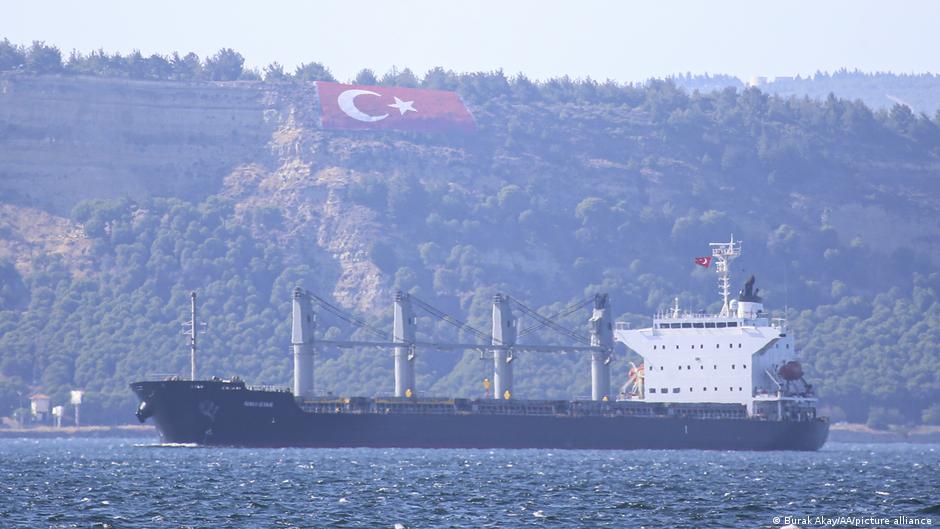
Turkey has resumed allowing vessels to pass through the strategically important Bosporus and Dardanelles straits leading to the Black Sea, following temporary restrictions amid heightened military activity in the region. This development is expected to influence trade flows and market dynamics linked to maritime logistics and energy sectors.
Trade Route Reopening and Market Implications
On August 9, the oil tanker Aegean Dream and container ship Mehmet Kahveci A transited through the Dardanelles strait towards the Russian port of Novorossiysk, marking the resumption of vessel movement after delays spanning several days. Prior to the reopening, Turkey had restricted maritime traffic due to escalating attacks on commercial vessels by Russian and Ukrainian forces in the Black Sea.
These interruptions spotlight the vulnerability of Black Sea maritime corridors, pivotal for regional energy exports and global grain shipments. The temporary stoppage led to increased volatility in energy stocks and shipping equities on Wall Street, as investors reassessed sector risk and rotation strategies.
"We have a series of measures under implementation to mitigate security risks in this critical waterway," stated the Turkish Foreign Minister, emphasizing Turkey's diplomatic efforts to enforce a moratorium on attacks in the Black Sea.
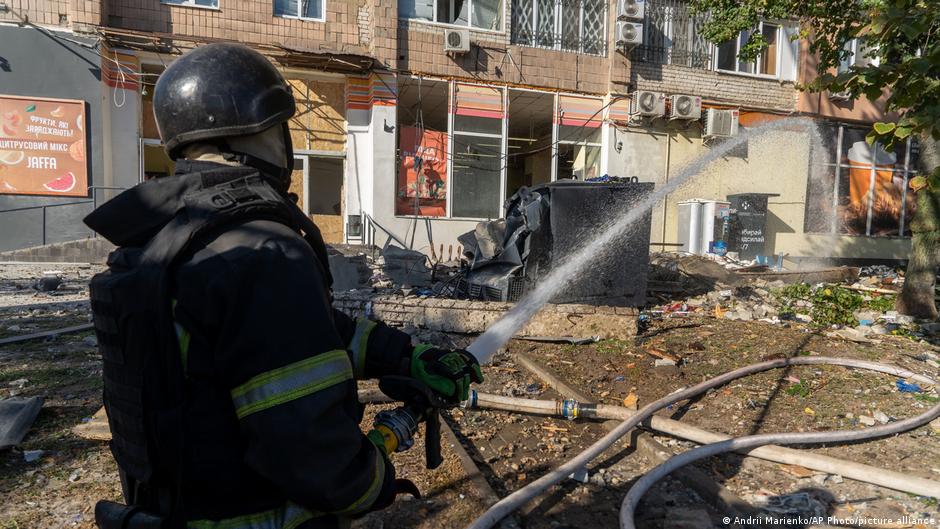
Turkey's government sought assurances from both Russia and Ukraine to cease hostilities impacting commercial shipping, aiming to safeguard economic interests and global supply chains. The recent attacks, including drone strikes injuring Turkish crew members aboard local vessels, have intensified concerns about the Black Sea corridor's stability.
From a market perspective, the resumption of vessel transit has partially alleviated supply chain fears, prompting some sector rotations back into energy exporters and maritime logistics firms. However, uncertainty remains as alternative export routes cannot fully compensate for disruptions in this key region.
Furthermore, American officials have indicated Ukraine's cooperation in facilitating the safe passage of non-Russian oil tankers, potentially easing tensions that have suppressed trading volumes in related commodities and transportation equities.
Trading Volume and Equity Research Outlook
Trading desks on Wall Street have observed fluctuating volumes in shipping and energy stocks correlating with the ebb and flow of news regarding Black Sea security. Equity research teams recommend cautious optimism, noting that while the reopening could stabilize supply routes, geopolitical risks persist.
Sector rotation strategies now favor companies with diversified logistics networks and those less exposed to the Black Sea corridor, as ongoing conflict scenarios could trigger renewed disruptions. Analysts advise close monitoring of Turkish maritime policy and regional diplomatic developments as key indicators for market positioning.
In summary, Turkey's decision to resume maritime transit through the Bosporus and Dardanelles has immediate effects on Black Sea trade and the broader market landscape, with implications for energy, shipping, and agricultural export sectors. Investors are advised to adjust portfolios in line with evolving geopolitical and operational conditions.