Trump's Syria Policy Shift Could Trigger Market Sector Rotation and Impact Defense Stocks
US plans to remove Syria from terror sponsor list as Trump signals easing sanctions, influencing geopolitical risks and investor sentiment on Wall Street.
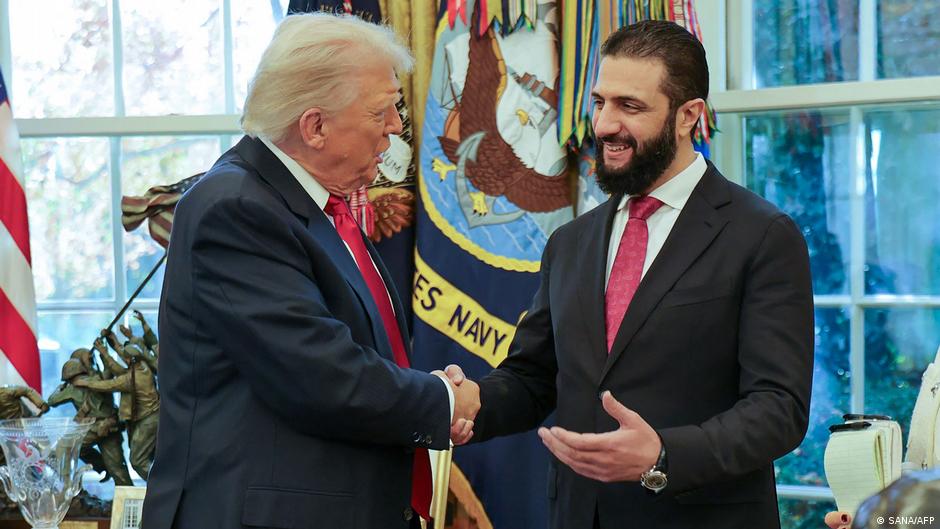
President Donald Trump's recent announcement to remove Syria from the US list of state sponsors of terrorism marks a significant geopolitical shift with potential repercussions across global financial markets. The move, confirmed in a letter to Syria's interim president Ahmed al-Sharaa, signals an easing of sanctions and an opening for American companies to invest in Syria’s reconstruction.
Investors on Wall Street are closely monitoring this development, as it may catalyze sector rotation, particularly affecting defense, energy, and emerging market equities. The removal of Syria from the sanctions list could reduce certain geopolitical risk premiums and alter the landscape for companies exposed to Middle Eastern markets.
Impact on Specific Sectors and Stocks
Defense contractors, traditionally benefiting from heightened Middle East tensions, may face headwinds if reduced conflict risk diminishes military spending or deployment needs. Conversely, companies in the energy and construction sectors might see new opportunities as Syria's reconstruction attracts capital investment. US firms with interests in infrastructure and resources could gain first-mover advantages in a nascent post-sanctions environment.
"We have American companies ready to invest in Syria and help make your country greater and more prosperous than ever before," Trump wrote, underscoring the administration’s economic engagement strategy.
Trading volumes in equities related to geopolitical risk are likely to respond dynamically. For example, shares of major defense firms such as Lockheed Martin and Raytheon Technologies have historically rallied on Middle East tensions. A de-escalation could prompt profit-taking or reallocation of funds into sectors favored by anticipated economic openings.
Equity research analysts are revising forecasts to incorporate the implications of this diplomatic milestone. Lower sanctions are expected to improve liquidity and cross-border capital flows in the region, boosting sentiment for emerging market equities linked to the Middle East. However, the timeline and stability of Syria's political environment remain critical risk factors influencing investor confidence.
Furthermore, the withdrawal of US troops and the transfer of military facilities back to Syrian control reduce direct US military involvement, potentially lowering systemic risk in global markets. Central Command's continued support for counterterrorism operations indicates a calibrated approach balancing security concerns with diplomatic normalization.
In summary, Trump's policy on Syria could spark sector rotation away from defense and towards energy and emerging market plays, with significant volatility ahead as markets digest the evolving geopolitical framework.