Trump Delays Russia Sanctions, Shifting Wall Street’s Energy Risk Calculus
The decision keeps sweeping tariffs in reserve while investors assess potential effects on refiners, fuel users and Russia-exposed equities.
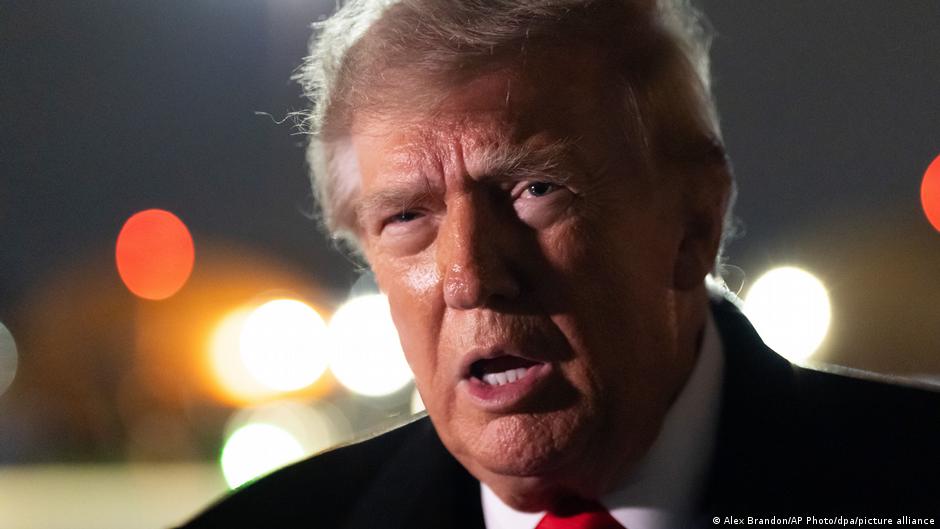
President Donald Trump said he postponed what he called “hellish sanctions” against Russia to keep Moscow engaged in negotiations over the war in Ukraine and to discourage it from increasing support for Iran. The decision leaves Wall Street confronting a potentially significant but deferred policy shock spanning energy, agriculture, transportation and other fuel-sensitive industries.
Trump said he would impose the measures whenever he considered it appropriate. In a Truth Social post published Sunday, October 18, the president argued that immediately approving the sanctions legislation could drive Russia away from talks intended to end its war against Ukraine.
“I can sign it later at any time when I consider it necessary,” Trump said of the proposed legislation.
Trump said “significant progress” had been achieved in negotiations with Moscow, particularly regarding the release of prisoners. He also said Russia was providing Iran with practically no assistance compared with what it could offer, and that he wanted that restraint to continue.
Energy shares face a delayed policy catalyst
For equity investors, the central question is whether the pause reduces near-term disruption to global diesel supply or merely postpones a larger repricing event. The proposed bill associated with the late Senator Lindsey Graham would impose additional tariffs of 500% on Russian goods and 100% on products from countries ranked among the five largest buyers of Russian oil and gas or most actively helping Moscow circumvent sanctions.
Measures of that scale could affect expectations for crude and refined-product flows, potentially creating volatility across integrated oil producers, refiners, transport companies and industrial fuel consumers. U.S.-listed energy names such as Exxon Mobil, Chevron, Valero Energy and Marathon Petroleum would be among the stocks traders could monitor if sanctions expectations alter oil or diesel margins. Airlines, parcel carriers and trucking-linked equities could face the opposite sensitivity through higher fuel-cost assumptions.
The source statement provided no market-price changes, company guidance or trading-volume figures. As a result, any immediate Wall Street interpretation depends on subsequent movement in energy futures, sector turnover and sanctions-sensitive stocks rather than confirmed corporate effects. Equity research desks may treat the postponement as a reduction in near-term headline risk while retaining a policy-risk premium because Trump explicitly preserved the option to act later.
That uncertainty could encourage tactical sector rotation. A continued flow of comparatively inexpensive Russian diesel into the world market may favor fuel-intensive businesses and limit the urgency of a defensive move into energy producers. Renewed momentum behind the tariff bill, by contrast, could support refiners and oil companies while pressuring airlines, logistics operators, farmers and other businesses exposed to diesel costs. Investors would likely watch whether trading volumes rise alongside any move, since heavier turnover could signal that institutions are changing sector exposure rather than reacting briefly to political headlines.
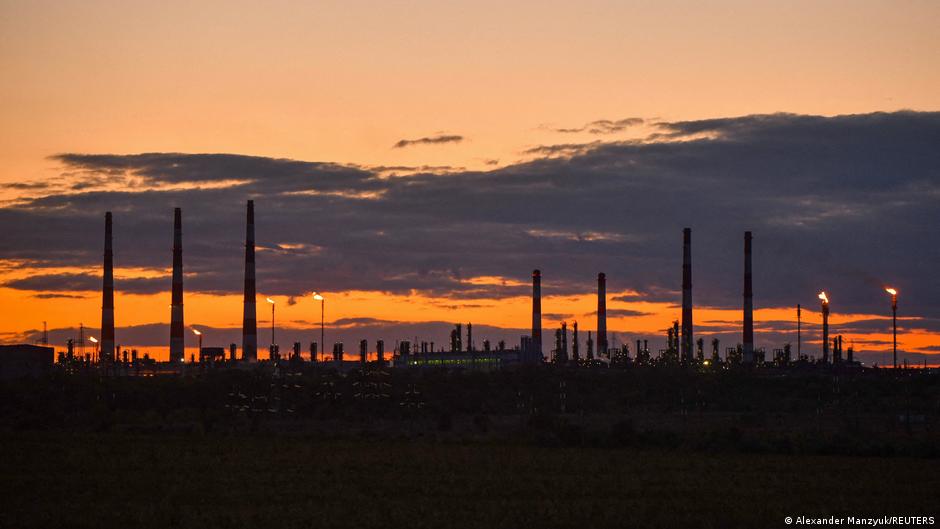
Russian refinery attacks enter the investment debate
Trump again criticized Ukrainian President Volodymyr Zelensky over attacks by Ukrainian forces on Russian refineries producing diesel. He said Zelensky understood that the strikes were seriously damaging the global diesel market, including the U.S. market.
According to Trump, farmers, ranchers and businesses across numerous industries were suffering, while Russia continued supplying millions of barrels of low-priced diesel to the world market. He accused Zelensky of being unconcerned about those consequences. The president did not provide supporting market data in the statement.
The comments sharpen the relevance of agricultural and transport equities to the policy discussion. Companies whose customers depend heavily on diesel, including farm-equipment manufacturers such as Deere and CNH Industrial, may be assessed through the effect that fuel costs have on farm economics. Freight operators including Union Pacific, FedEx and UPS may likewise draw attention when analysts model changes in transportation expenses. The statement did not identify any individual company or forecast a direct earnings impact.
Trump said he wanted to end Russia’s war against Ukraine but alleged that Zelensky was not seeking to end it and perhaps never had. He claimed Ukraine could have reached a substantially better agreement two years earlier, and asserted that the country was in ruins, had lost considerable territory and access to seas and oceans, and had suffered a reduction in its male population through displacement, injury or death.
The legislation required Trump to introduce restrictive measures by October 18 but also authorized him to pause the process when doing so served U.S. national interests. Trump exercised that authority on October 17.
For equity strategy, the pause does not eliminate the catalyst; it makes its timing discretionary. Research teams will now have to weigh diplomatic developments, Russian assistance to Iran and attacks on refining infrastructure alongside conventional supply-and-demand indicators. Until policy direction becomes clearer, sanctions-sensitive shares may trade less on current earnings revisions than on changing probabilities of tariffs, disrupted fuel flows and renewed geopolitical escalation.