Canada Base Fire Puts Defense and Insurance Stocks on Wall Street Watch
The deadly training accident may sharpen investor scrutiny of Canadian defense spending, military contractors and insurers.

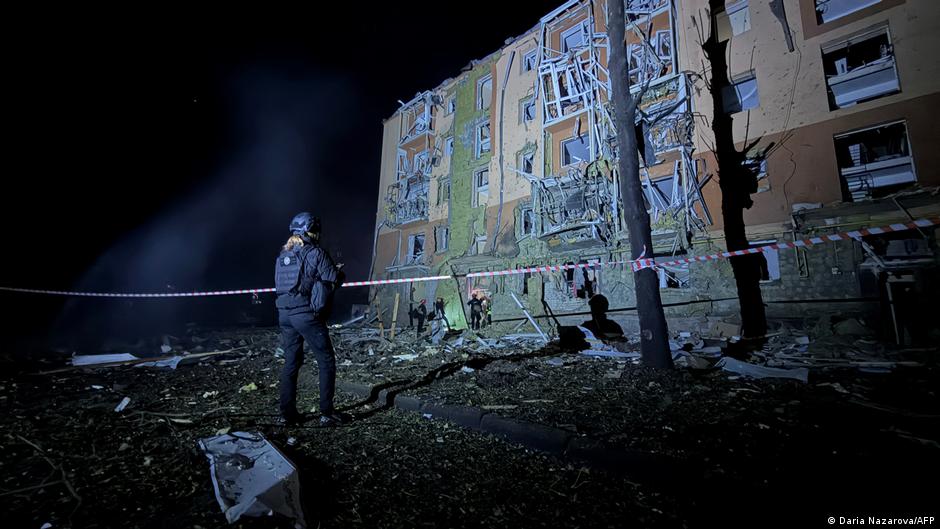
At least four Canadian Army personnel were killed and dozens were injured after a wildfire swept through a training exercise at Canadian Forces Base Wainwright in Alberta, creating a potential new risk factor for defense, insurance and emergency-response stocks watched on Wall Street.
Prime Minister Mark Carney confirmed the deaths at a news conference in Ottawa on Sunday, October 18. The families of the four service members had been notified, he said. Nineteen people injured in the fire were in critical condition, while about 20 others sustained less severe injuries, according to authorities.
“This is one of the worst tragedies the Canadian Armed Forces have faced on Canadian soil in peacetime,” Carney said.
The wildfire began during the afternoon of October 18. Military commanders decided not to halt the exercise when the fire started, according to the information released by authorities. Strong winds subsequently drove the flames rapidly across the prairie toward the soldiers. Generals said the fire traveled one kilometer in 36 seconds.
Defense names face renewed scrutiny
The immediate consequences are human and operational, and officials had not disclosed any financial cost, investigation findings or procurement response. For equity investors, however, the event places military training safeguards, wildfire monitoring and emergency communications under closer scrutiny. Analysts covering Canadian and U.S. defense companies are likely to assess whether any official review leads to changes in training procedures, equipment requirements or base infrastructure.
That could bring attention to publicly traded contractors with exposure to Canada’s military procurement system, including Canadian defense electronics and training provider CAE, as well as larger North American aerospace and defense groups such as Lockheed Martin, RTX, Boeing and General Dynamics. No authority has identified equipment supplied by any of those companies as a cause of the fire, and the available account does not establish contractor responsibility. Their relevance for investors is limited to the possibility that a future review could alter spending priorities.
The same distinction applies to companies involved in satellite observation, communications, protective equipment and wildfire detection. Any market reaction based solely on expectations of new contracts would remain speculative until the Canadian government or armed forces announces an investigation, remedial program or budget allocation.
Insurance and climate-risk implications
Property and casualty insurers with Canadian exposure may also draw attention as investors evaluate the wider cost of prairie wildfires. The incident occurred on a military base, and authorities have not reported insured losses or damage to surrounding civilian property. As a result, there is not yet enough information to estimate claims or assess the effect on any specific insurer.
Still, the speed of the fire could reinforce the market’s broader focus on catastrophe modeling and the rising operational risks associated with extreme fire conditions. Canadian insurers and reinsurers may face questions about pricing, reserve assumptions and exposure concentrations if the blaze expands or is followed by additional losses. Those considerations could influence relative performance within financial stocks, although the source information provides no trading data or loss estimates.
Trading signals remain limited
For Wall Street desks, the key near-term indicators would be unusual trading volume in defense, insurance and emergency-technology shares, along with any movement in Canadian equities when investors can respond to official updates. No share-price changes, volume figures or analyst rating actions were reported in connection with the tragedy, making it premature to describe a confirmed sector rotation.
A sustained equity impact would probably require evidence of broader consequences: a formal inquiry, suspension of exercises, changes in senior military leadership, material damage at the base or additional federal spending. Without such developments, the event may remain primarily a national tragedy rather than a durable market catalyst.
Equity research teams will also watch how Carney’s government frames accountability. The decision to continue training after the wildfire began is likely to be a central issue for investigators and policymakers. Any finding that procedures were inadequate could support spending on monitoring systems, evacuation planning, protective gear or upgraded communications, while findings of negligence could create legal and reputational risks.
The rapid advance of the flames underscores the operational challenge. A fire moving one kilometer in 36 seconds would leave little time for units in its path to react, particularly during a large exercise. Investors should therefore distinguish between the circumstances that initiated the wildfire and the military decisions governing the response—questions that remain unresolved in the initial account.
Until Canadian authorities provide further details, analysts have no basis for assigning direct revenue opportunities, liabilities or valuation changes to individual listed companies. The clearest market takeaway is heightened scrutiny of defense readiness and wildfire resilience, not a confirmed earnings impact.