Trump Announces Major Economic Offensive Against Iran, Impacting Energy and Trade Sectors
US President Trump declares unprecedented economic sanctions targeting Iran and warns allies against supporting Tehran.
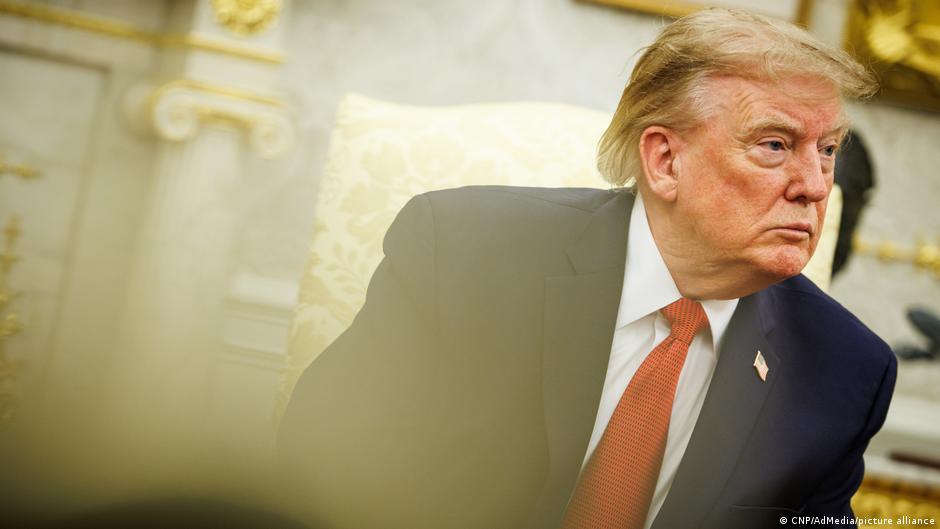
President Donald Trump has launched an unprecedented economic offensive against Iran, signaling a new phase of intensified sanctions designed to isolate Tehran and cut off its access to global markets. The move is expected to further pressure the Iranian energy sector and impact global trade flows, with potential ripple effects across equity markets, especially in the energy and shipping industries.
Scope and Implications of the Sanctions
On August 20, Trump described the initiative as "the most devastating economic operation ever conducted against any country," emphasizing its scale and severity. He warned that any country continuing to support Iran or engage in business with it would face "huge" sanctions. This demand for allied cooperation aims to tighten the international noose on Iran's financial and commercial activities.
"We need the support of all our allies to isolate and defeat the Iranian threat," Trump stated on his social platform, underlining the global diplomatic push behind the sanctions.
Previously, the US had targeted Iran's oil, maritime, and financial sectors to choke off the regime’s revenue from energy exports. This latest step appears to be an escalation of the so-called "Economic Fury" campaign, initiated earlier this year in April, which seeks to deepen Iran’s economic isolation.
The United Arab Emirates has already halted all trade, commercial exchanges, and financial transactions with Iran until further notice, reacting to recent missile launches allegedly targeting its maritime routes. The UAE government accused Tehran of launching two missiles aimed at disrupting shipping lanes, a charge Iran has denied. This regional tension further complicates trade dynamics in the Middle East, with potential consequences for shipping stocks and insurers.
Market Impact and Sector Rotation
Wall Street is closely monitoring the ramifications of these sanctions. Energy firms with exposure to Middle Eastern oil supply chains may face increased volatility as concerns mount over potential disruptions. Investors might observe a rotation from riskier, Iran-exposed equities toward safer assets or companies benefiting from higher energy prices.
Moreover, shipping and maritime insurance stocks could experience elevated trading volumes, reflecting investor attempts to hedge against increased geopolitical risks. Equity research teams are likely to revise forecasts for firms operating in or near the Persian Gulf, recalibrating earnings estimates to account for heightened sanctions and regional instability.
Financial institutions with significant dealings in the Middle East could also face scrutiny and increased compliance costs, potentially prompting a reallocation of capital away from affected sectors.
Looking Ahead
As the US continues to enforce strict sanctions, market participants should prepare for increased volatility and reassess geopolitical risk factors influencing sector performance. The broad sanctions campaign against Iran underscores the ongoing strategic importance of Middle Eastern stability for global markets.
Traders and portfolio managers will be watching closely for shifts in trading volumes and sector rotation patterns, particularly within energy, shipping, and financial stocks, as the situation evolves.