Serbia’s Early Parliamentary Elections Scheduled for October 2023, Raising Market Uncertainty
President Aleksandar Vučić announces snap elections in Serbia amid ongoing protests and political unrest.
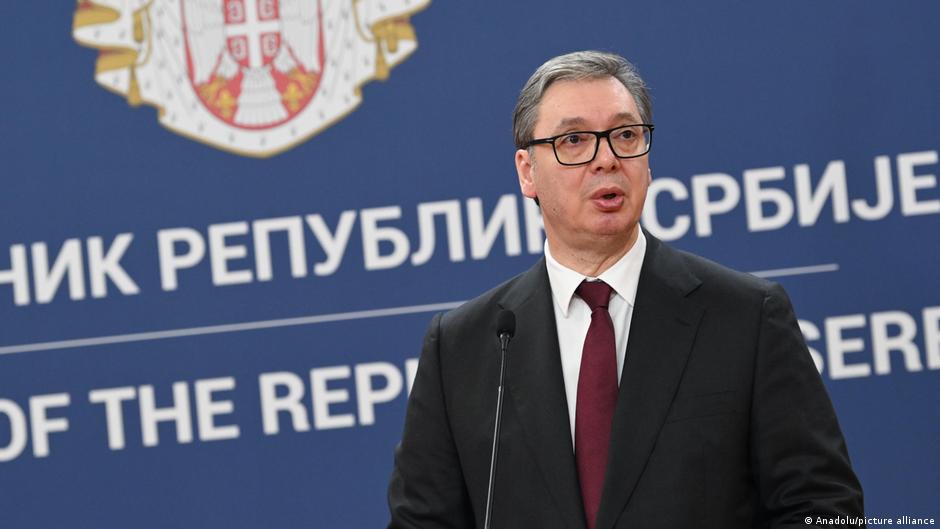
Serbia will hold early parliamentary elections in October 2023, President Aleksandar Vučić announced on August 20. The vote is set to take place on either October 18 or 25, more than a year ahead of the originally scheduled 2026 election cycle. The exact date will be confirmed in the coming days.
This decision follows Vučić's earlier indication of plans to resign before the end of his presidential term, which officially extends until mid-2027. Under Serbia's constitution, no individual may serve as president for more than two terms, and Vučić has been in power for 12 years.
Market and Sector Implications Amid Political Instability
The announcement of early elections comes amid sustained civil unrest and anti-government protests that have gripped Serbia for over 18 months. Triggered by a fatal accident at the Novi Sad railway station, where a collapsed canopy killed 16 people, these protests have spotlighted widespread allegations of corruption, government abuse, and lack of transparency.
From a Wall Street perspective, the political upheaval introduces volatility risks to Serbian equities, particularly in sectors closely tied to government contracts and infrastructure projects. Investors may anticipate a sector rotation away from politically sensitive industries, such as construction and utilities, toward more resilient sectors like consumer staples and technology.
Trading volumes on Serbian ETFs and regional emerging market funds could see short-term increases as traders reposition portfolios in response to shifting political dynamics. Equity research is likely to adjust earnings forecasts and risk premiums for companies with significant exposure to Serbian markets.
“The early elections represent a critical juncture for Serbia’s political landscape, with direct implications for investor confidence and sector allocation strategies,” noted equity analysts following the Balkans region.
Market participants will monitor the election campaign closely for policy signals, particularly regarding anti-corruption measures and economic reforms. The broad public support—estimated at 80%—for anti-corruption demands suggests potential for significant policy shifts, which may influence foreign investment flows and regional economic integration.
Overall, the snap elections inject a degree of uncertainty into the Balkan equity markets, with Wall Street investors advised to exercise caution and closely track developments as Serbia approaches its October vote.