Russia’s Soaring Aviation Fuel Imports from Belarus Signal Market Strain and Sector Shifts
Aviation fuel imports from Belarus nearly quadrupled in May amid domestic production declines, impacting Russian energy markets and trading volumes.
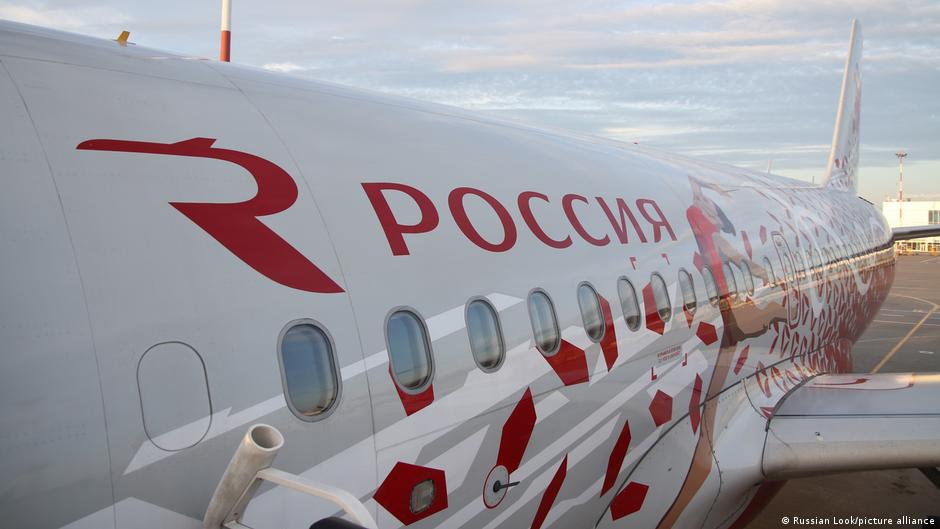
In May 2026, Russia imported 5,170 metric tons of aviation kerosene from Belarus, a nearly fourfold increase compared to the same month last year. This sharp rise continued into June, with imports reaching 2,600 metric tons in the first ten days, underscoring significant supply constraints within Russia’s domestic aviation fuel market.
Production Disruptions Spur Increased Imports and Market Consequences
The surge in imports is primarily attributed to a decline in domestic production. Official Russian data on aviation fuel output remain undisclosed; however, estimates from a pricing index center place 2025 production at approximately 11.4 million tons. A notable disruption occurred at the Moscow Oil Refinery in Kapotnya, which produced 1.4 million tons of this volume before suspending operations in mid-June due to a drone attack. Industry sources suggest the refinery will remain offline at least until winter, exacerbating supply shortages.
In response, Russia has pursued alternative strategies, including discussions to import JET A-1 aviation fuel via maritime ports and blend it with domestic fuel supplies. This is an unprecedented move reflecting the urgency of maintaining aviation fuel availability amid ongoing logistical challenges.
"The growth in imports is linked to decreased domestic production," industry analysts state, highlighting the operational setbacks at critical refinery infrastructure.
Adding to the supply pressures, on June 1, Russian authorities implemented a historic ban on aviation kerosene exports, effective until November 30. This measure aims to preserve internal fuel stocks but has led to operational restrictions at major Russian airports, where fueling limitations have been reported since mid-June.
The energy sector’s turbulence extends beyond aviation fuel. Over 30 Russian regions have imposed restrictions on automotive fuel sales. Supply chain disruptions initiated by Ukrainian military strikes on Russian-controlled logistics hubs in Crimea have rippled throughout the country, impacting gasoline availability. By late June, Russian gasoline production declined by 25% year-over-year, prompting emergency fuel purchases from Kazakhstan, including a deal for 50,000 tons of gasoline.
Market Implications for Investors and Sector Rotation
The pronounced fuel supply challenges and government interventions are reshaping market dynamics on Russian exchanges. Energy and transportation sectors are experiencing increased volatility, with trading volumes surging amid concerns over fuel availability and pricing. Investors are closely monitoring refiners and fuel distributors, particularly those with exposure to import logistics and blending operations.
Equity research suggests a potential sector rotation away from domestic refiners heavily impacted by production interruptions toward companies involved in import facilitation and alternative fuel supply chains. The enforced export ban on aviation kerosene and regional fuel sales restrictions may also influence the valuation and risk profiles of energy sector equities.
Market participants should watch for further developments in refinery restoration timelines, international fuel procurement strategies, and regulatory adjustments as these factors will continue to drive trading patterns and investor sentiment in the near term.