Russia’s Shadow Air Fleet Supports Military Operations in Africa, Raising Market Concerns
Emerging reports reveal Russia's extensive use of military and private aircraft for African deployments, impacting defense and aviation sectors.
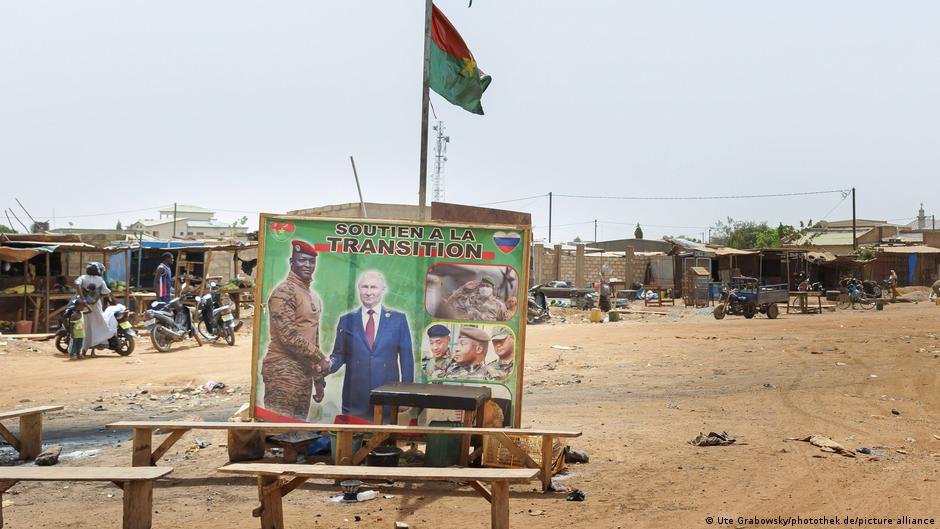
Recent investigative reports have unveiled that Russia has established a "shadow air fleet" to support its military operations in the African Sahel region. This covert logistical network, comprising both military and private aircraft, has been active since early 2025, facilitating numerous flights to countries including Mali, Burkina Faso, and Niger.
Implications for Aviation and Defense Stocks Amid Geopolitical Tensions
The existence of this shadow fleet could influence sector rotation and trading volumes, particularly within defense contractors and aviation companies linked to Russian operations. Analysts note that at least 75 flights were recorded between January 2025 and July 2026, operated by entities such as the 224th Flight Detachment, Sapsan Airlines, Liz Aviation, and aircraft from Russia's Emergency Ministry. Notably, some of these companies have evaded Western sanctions despite facilitating military logistics.
Market observers highlight that the 224th Flight Detachment, controlled by the Russian Ministry of Defense, has already been subjected to U.S. sanctions. Meanwhile, other operators remain outside the scope of restrictions imposed by the EU, U.S., or UK, raising questions about the effectiveness and enforcement of current sanction regimes.
"If these aircraft and companies are knowingly transporting Russian military personnel or cargo to support African deployments, targeted sanctions should be imposed regardless of aircraft registration," stated a European Parliament member.
The logistical framework resembles Russia’s maritime "shadow fleet" mechanisms utilized in circumventing sanctions on oil exports. State-owned aircraft regularly transit through Russian-controlled bases in Syria and Libya, whereas private carriers often utilize commercial hubs in Turkey, Algeria, and the United Arab Emirates.
Financial markets may respond to these developments through shifts in investor sentiment toward defense equities and aviation stocks linked to sanctioned or potentially sanctioned entities. Trading volumes in these sectors could experience volatility as regulatory scrutiny intensifies and geopolitical risks become more pronounced.
Equity research teams are likely to reassess risk profiles of companies connected to Russian military logistics. The unfolding situation underscores the complexities of sanction enforcement, cross-border aviation operations, and the strategic use of private and state assets in geopolitical conflicts.
Investors and market participants should monitor updates on sanctions and government policies that could directly affect the valuation and liquidity of affected stocks. The evolving geopolitical landscape in Africa, combined with Russia's tactics to sustain its military presence via aviation, remains a critical factor shaping market dynamics in defense and aviation sectors.