Russian Strikes on Izyum Impact Ukrainian Infrastructure Amid Rising Market Tensions
Military actions in Kharkiv region cause damage to civilian infrastructure, raising concerns over regional stability and potential market repercussions.

On July 15, Russian Armed Forces launched a combined strike on the city of Izyum in Ukraine's Kharkiv region, employing precision-guided aerial bombs and Shahed-type unmanned aerial vehicles (UAVs). Preliminary reports indicate casualties and extensive damage to civilian infrastructure, heightening geopolitical tensions that investors are closely monitoring.
Impact on Regional Stability and Market Sentiment
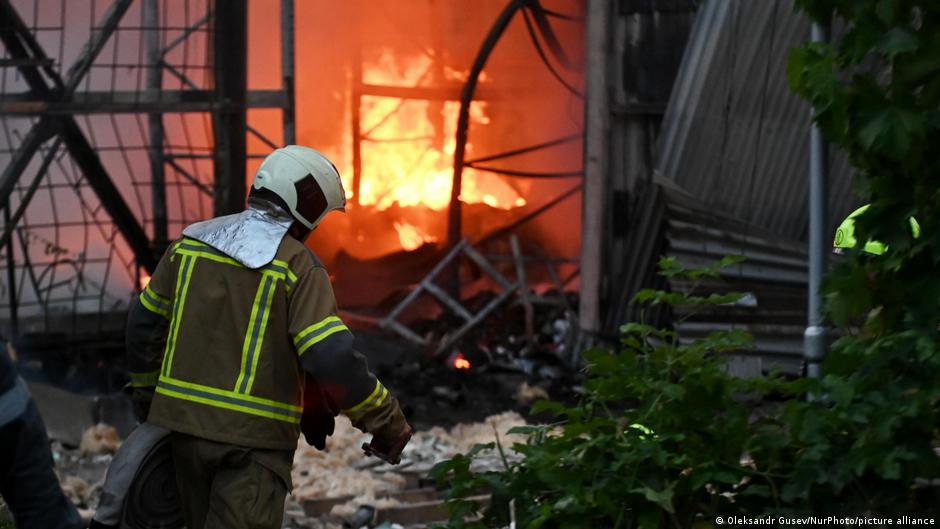
The attacks, confirmed by the Izyum city military administration, resulted in damage to communal property, agricultural machinery, private residences, and triggered several fires. Multiple air raid alerts were reported during the assault. These developments follow a previous strike on July 5, which caused one fatality, multiple injuries, and destruction of local assets including a gas station and several vehicles.
"Damage and destruction affected civilian objects, municipal assets, agricultural equipment, and private homes; fires broke out," stated the local administration.
From an equity markets perspective, such escalations in eastern Ukraine contribute to heightened volatility among regional stocks and sectors sensitive to geopolitical risk. Energy, agricultural commodities, and defense-related equities have shown increased trading volumes as investors reassess exposure amid ongoing uncertainties.
Sector Rotation and Trading Volume Trends
Following recent military developments, there is observable sector rotation with investors favoring defense contractors and energy firms over local Ukrainian equities exposed to conflict zones. Trading volumes in these sectors have surged as market participants hedge against protracted instability.
Equity research analysts emphasize the importance of monitoring further geopolitical events, which could influence commodity prices, particularly wheat and natural gas, given Ukraine's role in global supply chains. Additionally, sanctions and countermeasures linked to the conflict remain significant factors affecting market dynamics.
In summary, the renewed strikes on Izyum underscore ongoing regional volatility. Market participants should remain vigilant of geopolitical risks influencing sector performance, trading volumes, and investment strategies related to Eastern Europe.