Russian Strikes in Ukraine Impact Multiple Regions Amid Ongoing Conflict
Renewed missile and drone attacks on Ukrainian cities raise concerns for regional stability and market volatility.
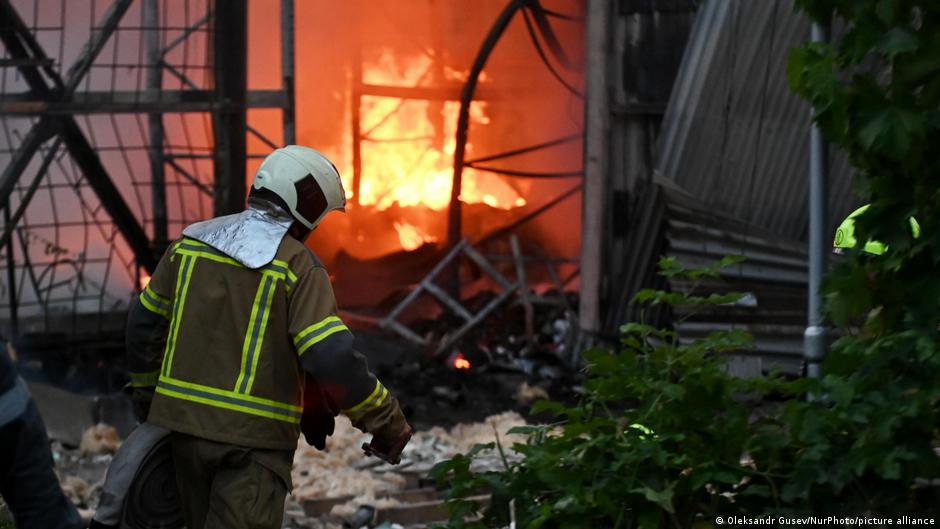
On July 2, Russia continued its military strikes across several Ukrainian regions, following a devastating night attack on Kyiv that marked the deadliest incident since the conflict began. The daytime and evening bombardments targeted key areas including Kherson, Zaporizhzhia, and Dnipropetrovsk, resulting in multiple casualties and injuries.
Implications for Sector Rotation and Market Sentiment
The escalation in hostilities has triggered increased market volatility, particularly affecting defense stocks and energy sectors. Investors are closely monitoring the situation as the strikes disrupt supply chains and raise geopolitical risks. The targeting of industrial and civilian infrastructure, including oil refineries and postal distribution centers, underscores the potential for prolonged regional instability.
“The ongoing attacks across multiple Ukrainian regions are likely to sustain volatility in equities, particularly within energy and defense sectors, as geopolitical tensions drive investor caution,” said a market analyst.
In Kherson, a missile strike killed a 41-year-old man traveling in a civilian vehicle, and a 63-year-old doctor died during an attack on a medical facility. Meanwhile, Zaporizhzhia experienced shelling that damaged residential buildings and key logistic hubs, including a "Nova Poshta" sorting center. The attacks caused injuries to several civilians, including children aged six to sixteen.
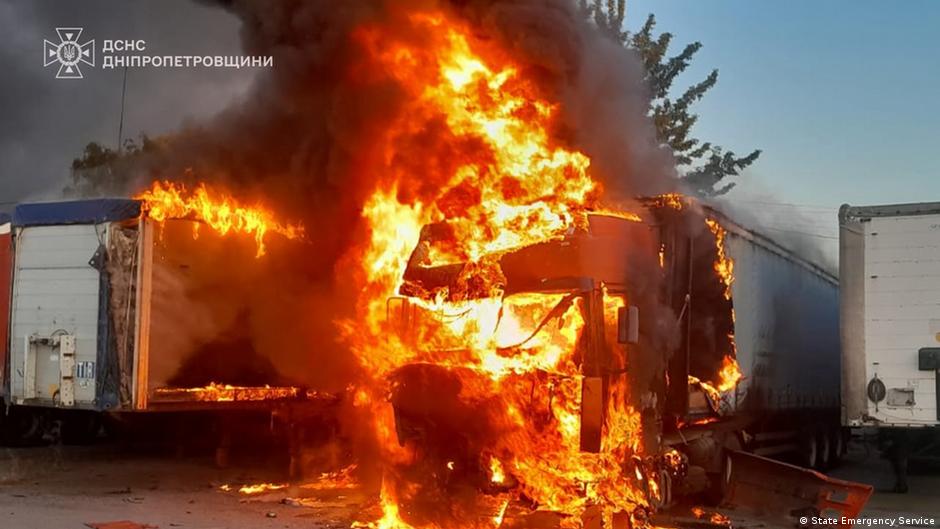
Dnipropetrovsk reported approximately 40 strikes using drones, artillery, bombs, and missiles, killing two individuals including a seven-year-old girl. Nine others, including children, were injured. Significant damage was reported to residential buildings, a gymnasium, and vehicles.
Similar strikes in Mykolaiv and Kharkiv led to casualties and infrastructure damage, including gas stations and residential properties. Sumy endured attacks with guided aviation bombs resulting in injuries to 11 people, including children and school staff, with substantial damage to a local school.
From a trading volume perspective, the heightened conflict has led to increased activity in defense-related equities and energy commodities, as investors reevaluate risk exposure amid geopolitical uncertainty. Equity research teams are advising caution, noting that further escalation could prompt sector rotation out of riskier stocks into safer assets.