Russian Strike on Zaporizhzhia Raises Geopolitical Tensions Impacting Market Sectors
Recent Russian attacks on Ukrainian cities escalate regional instability, influencing energy and defense stocks amid rising market volatility.
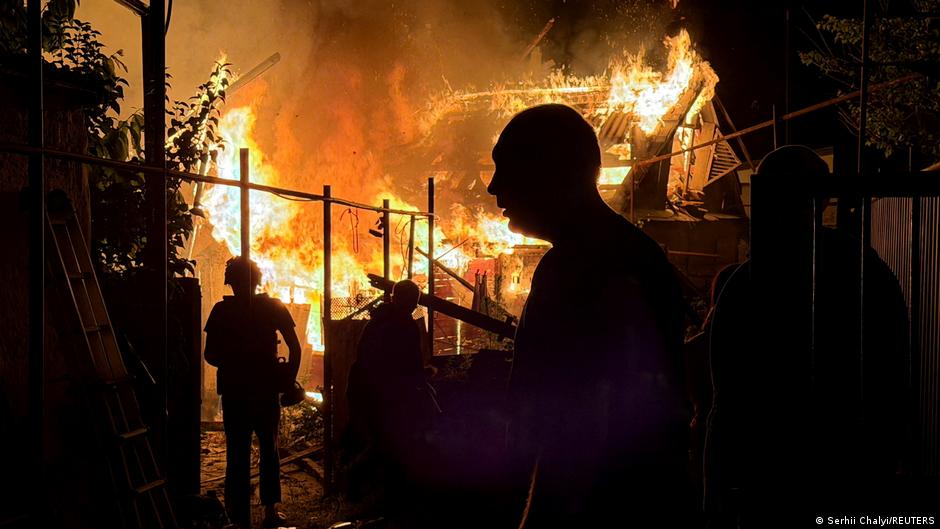
On the night of June 23, Russian forces launched an attack on the Ukrainian city of Zaporizhzhia, resulting in injuries to at least two civilians and damage to residential properties, agricultural buildings, and a gas station. This escalation adds to growing geopolitical tensions that are increasingly shaping market dynamics on Wall Street.
Market Impact and Sector Rotation
The strike, confirmed by regional officials, has heightened concerns over stability in Eastern Europe, a key factor affecting global energy supplies and defense sector valuations. Investors are closely monitoring the situation as uncertainty is prompting a noticeable shift in sector preferences.
Energy stocks, particularly those linked to natural gas and oil, have seen increased trading volumes as markets react to potential disruptions in supply routes passing through Ukraine. Concurrently, defense and cybersecurity equities are attracting investor attention as demand for military technologies and security services escalates amid the conflict.
“The recent attacks underscore the fragile geopolitical landscape, which is impacting investor sentiment and driving a rotation towards sectors perceived as defensive or strategically important,” said a market analyst following the situation.
Furthermore, the nighttime assault by Russian forces involved not only Zaporizhzhia but also an attack near Kharkiv, where missile strikes and drone incursions were reported. These developments are fueling risk aversion among global traders, resulting in heightened volatility across equity markets.
Trading volumes have surged in sectors linked to energy infrastructure and defense contractors, reflecting investor hedging strategies. Wall Street research teams are revising earnings forecasts to incorporate the risks of prolonged conflict and supply chain disruptions.
The United Nations recently held an emergency Security Council meeting highlighting the humanitarian toll of the ongoing conflict, noting the highest monthly civilian casualties since April 2022. Such geopolitical factors are increasingly integrated into equity research models, influencing portfolio allocations and risk assessments.
Investors are advised to monitor geopolitical developments closely, as ongoing military actions in Ukraine may continue to drive sector rotation and impact trading volumes, particularly in energy and defense stocks.