Russian Missile Strikes on Kyiv and Kharkiv Impact Market Sentiment and Sector Rotation
Recent overnight Russian missile and drone attacks on Ukrainian cities Kyiv and Kharkiv influence investor confidence and trading volumes in defense and energy sectors.
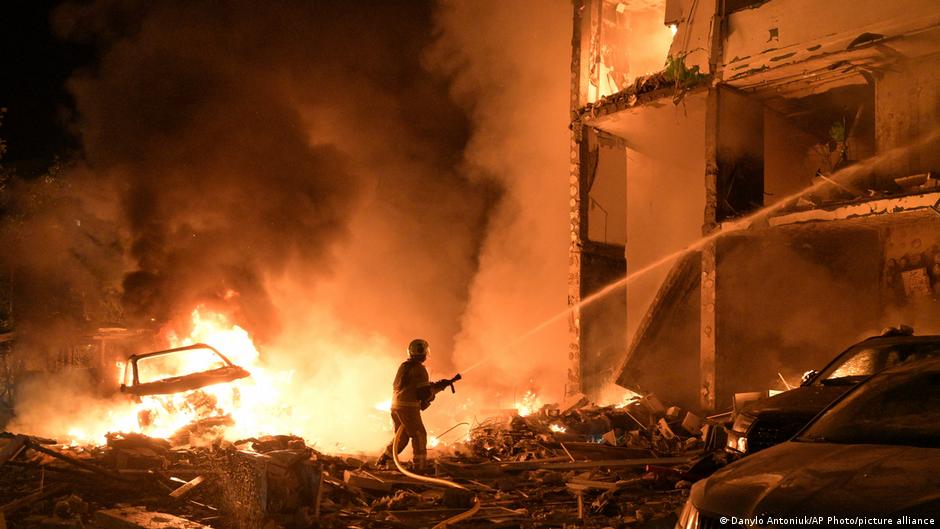
On the night of July 8, Russian armed forces launched a series of combined missile and drone strikes targeting multiple regions in Ukraine, including the capital Kyiv and eastern city Kharkiv. Explosions and fires were reported in both cities, resulting in civilian casualties and property damage. The Ukrainian Air Force confirmed the launches of ballistic missiles towards Kyiv from northern directions.
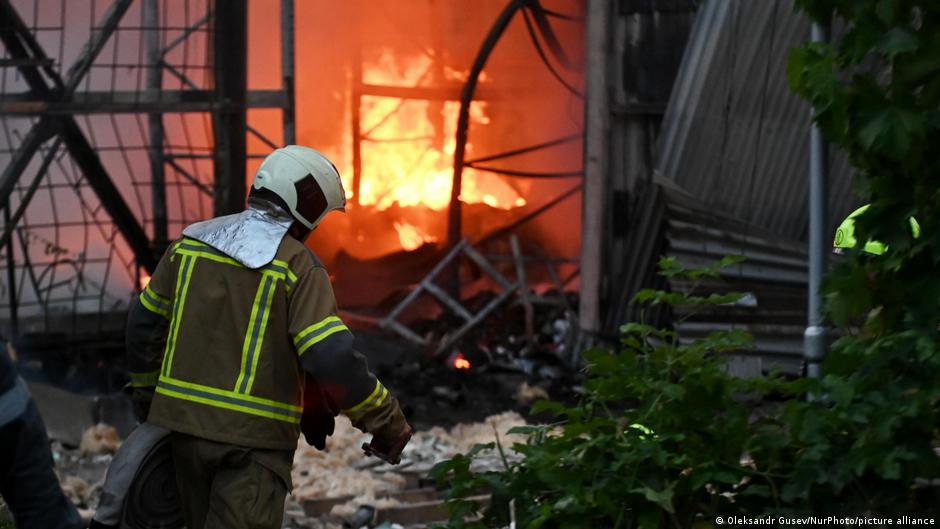
Authorities in Kyiv reported two injured individuals, one hospitalized, following missile hits that caused fires in warehouse complexes in the Desnianskyi district and a non-residential building fire in the Sviatoshynskyi district. Damage extended to over 20 private homes, shattered windows of a church, street lighting infrastructure, and five vehicles.
Similarly, Kharkiv officials confirmed missile impacts in the Nemishlianskyi district with two injured reported. The attacks continued into early hours affecting central and eastern Ukrainian regions.
Market Impact and Sector Rotation
These escalations have considerably influenced market sentiment on Wall Street, particularly affecting stocks in the aerospace, defense, and energy sectors. The renewed conflict intensity has increased investor focus on defense contractors and companies involved in energy supply and infrastructure, given the geopolitical risks influencing commodity prices and supply chains.
"Heightened military activity in Ukraine is driving sector rotation as investors seek safety in defense and energy equities while avoiding more vulnerable sectors," noted an equity research analyst.
Trading volumes surged overnight in defense-related stocks, reflecting increased buying interest amid rising global tensions. Conversely, sectors like consumer discretionary and technology saw relative weakness as uncertainty dampened appetite for growth-oriented stocks.
Equity research suggests sustained volatility is likely as the conflict persists, with potential for further shifts in capital allocation depending on geopolitical developments and supply disruptions. Investors are advised to monitor developments closely, considering both risk and opportunities arising from the current dynamics.
Overall, the recent missile strikes have underscored the interconnectedness of geopolitical events and global financial markets, reinforcing the importance of diversified portfolios and strategic sector allocation during periods of heightened risk.