Russian Missile Strikes in Ukraine Trigger EU Diplomatic Response Amid Rising Defense Sector Focus
EU summons Russian envoy after missile attacks on Kyiv-area military exhibition and Latvian consulate; defense stocks may react amid sector shifts.
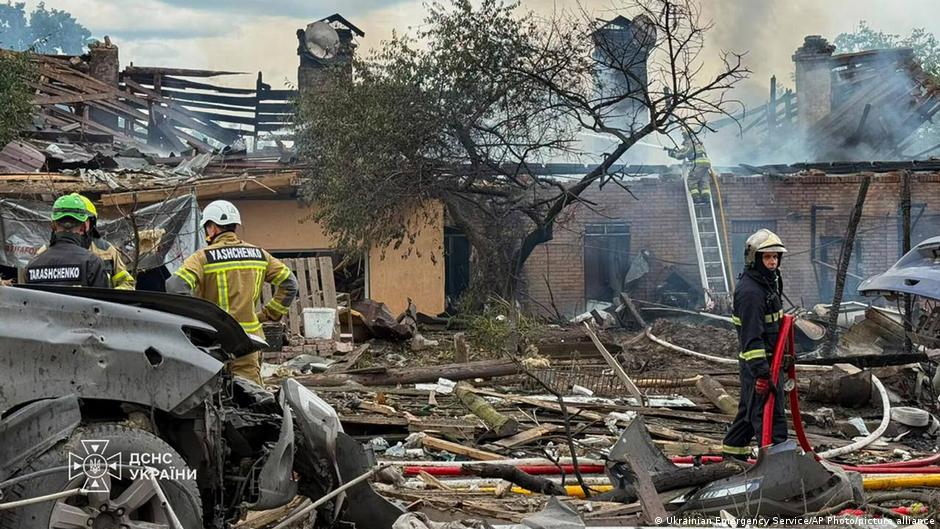
On July 24, Russia launched ballistic missile strikes on Ukraine's Kyiv region, targeting a private weapons exhibition and the honorary Latvian consulate in Sloviansk. The attacks have drawn strong condemnation from the European Union and raised new geopolitical tensions that could influence trading volumes and sector rotation on Wall Street.
EU's Diplomatic Fallout and Sanctions Prospects
Kaja Kallas, the EU's High Representative for Foreign Affairs and Security Policy, announced that the European External Action Service will issue a formal protest to Russia's permanent representative to the EU following what she described as "indiscriminate" missile strikes. These attacks resulted in civilian casualties and damage to diplomatic facilities, further straining EU-Russia relations.
"We will summon the Russian envoy to the EU over today's strikes and propose expanding sanctions to additional entities in the Russian military-industrial complex," said Kallas.
The strikes targeted a private range in the Bucha district where a drone weapons exhibition was underway, resulting in at least ten fatalities and around one hundred injuries, according to Ukrainian Prosecutor General Ruslan Kravchenko. The Russian Ministry of Defense confirmed the strike, claiming the site housed key UAV developers and Ukrainian special forces involved in operations against Russian territory.
Implications for Defense Sector and Market Dynamics
These developments come amid Ukraine's plans to significantly bolster its drone capabilities, with President Volodymyr Zelensky announcing aspirations for UAVs with ranges up to 10,000 kilometers by 2027. Ukraine is also seeking to establish production lines in partnership with the United States to sustain drone manufacturing, reflecting a strategic pivot towards advanced unmanned systems.
Such geopolitical events often trigger sector rotation among investors, with defense stocks and aerospace companies seeing renewed interest due to increased demand for military technology and equipment. Trading volumes in defense ETFs and aerospace equities might experience volatility as markets digest the implications of the conflict's escalation.
Moreover, Zelensky's directive to create a special command focused on long-range strikes within Russian territory underscores the growing emphasis on precision and drone warfare, which could drive future defense spending trends. Investors and equity researchers will be closely monitoring contract awards, production initiatives, and sanctions developments to adjust their exposure accordingly.
In summary, the recent missile attacks and EU's diplomatic response are likely to sustain heightened scrutiny on Russian military-industrial entities, influence sanction policies, and catalyze market shifts favoring defense sector equities amid ongoing geopolitical uncertainty.