Russian Missile Attacks on Kyiv and Kryvyi Rih Cause Casualties Amid Market Uncertainty
Ballistic missile and drone strikes on Ukrainian cities raise concerns over regional stability and impact investor sentiment.
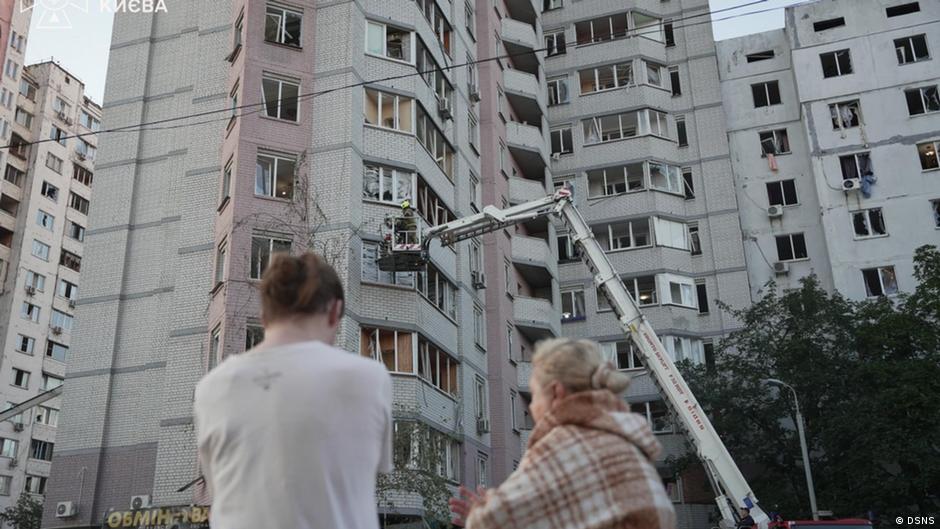
Russian forces launched ballistic missile and drone attacks on Kyiv and Kryvyi Rih, resulting in one confirmed death and multiple injuries, according to local authorities. The strikes on August 16 targeted key urban and industrial zones, escalating tensions in Eastern Europe and prompting market observers to assess potential repercussions on regional equities.
Market Implications Amid Heightened Geopolitical Risk
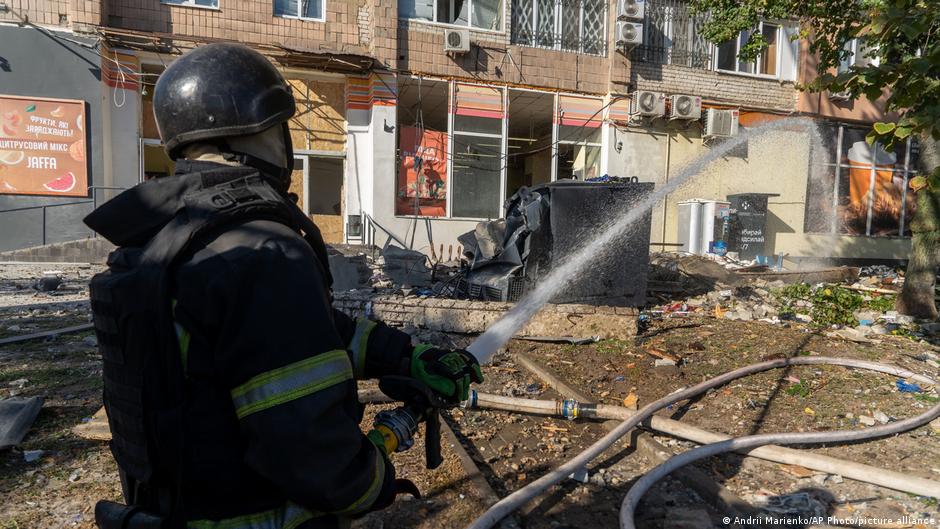
The renewed attacks, following similar strikes earlier in August, contribute to increased volatility in Eastern European markets, particularly within defense, energy, and industrial sectors. Kyiv's Obolonsky and Holosiiv districts witnessed fires after debris from missile impacts ignited non-residential buildings and vehicles. In Kryvyi Rih, a strategic industrial hub, missile and drone strikes caused one fatality and injured at least six others. The assaults notably targeted industrial assets, which may disrupt production and supply chains.
"The escalation in military activity directly influences investor confidence, with heightened risk premiums reflected in trading volumes across affected sectors," noted several equity analysts following the events.
On the trading floor, investors exhibited cautious behavior, with sector rotation favoring defense and energy stocks perceived as defensive amid the conflict. Trading volumes in Ukrainian equities saw a modest uptick as market participants recalibrated risk exposure. Analysts emphasize that prolonged instability could dampen foreign investment and hinder economic recovery efforts.
Equity research reports highlight the vulnerability of industrial facilities in conflict zones, underscoring the need for close monitoring of operational disruptions. Additionally, the humanitarian impact and infrastructure damage introduce uncertainties that may affect broader market dynamics in the region.
While immediate market reactions reflect short-term risk aversion, strategic investors are advised to consider geopolitical developments when planning portfolio allocations. Enhanced due diligence is recommended to navigate the evolving landscape of Eastern European equities amid ongoing conflict.