Russian Missile and Drone Attacks on Kyiv Impact Markets Amid Rising Geopolitical Tensions
Massive Russian strikes on Kyiv result in casualties and infrastructure damage, raising concerns over Eastern European market stability.
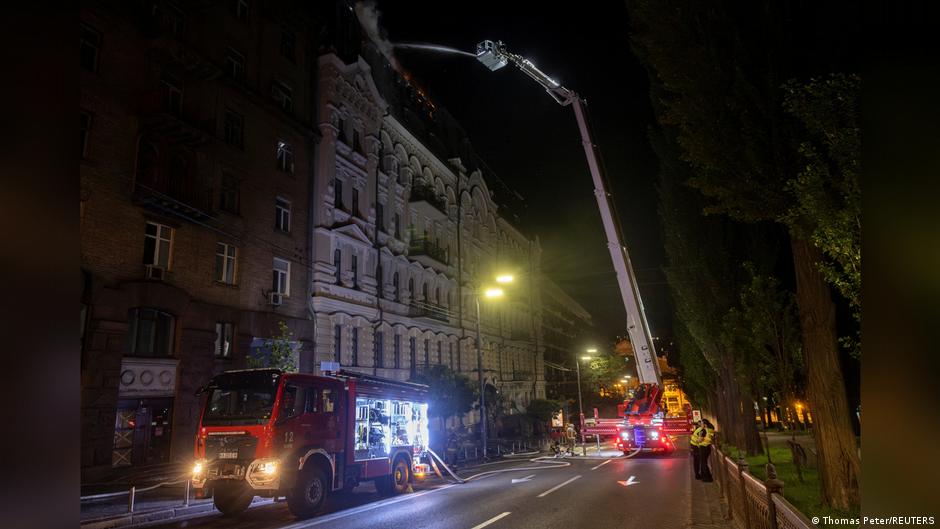
On the evening of July 1, Kyiv came under a large-scale attack involving missiles and drones launched by Russian forces, local authorities reported. The assault led to five fatalities and 34 injuries, with significant damage inflicted on residential buildings, emergency medical infrastructure, and commercial properties.
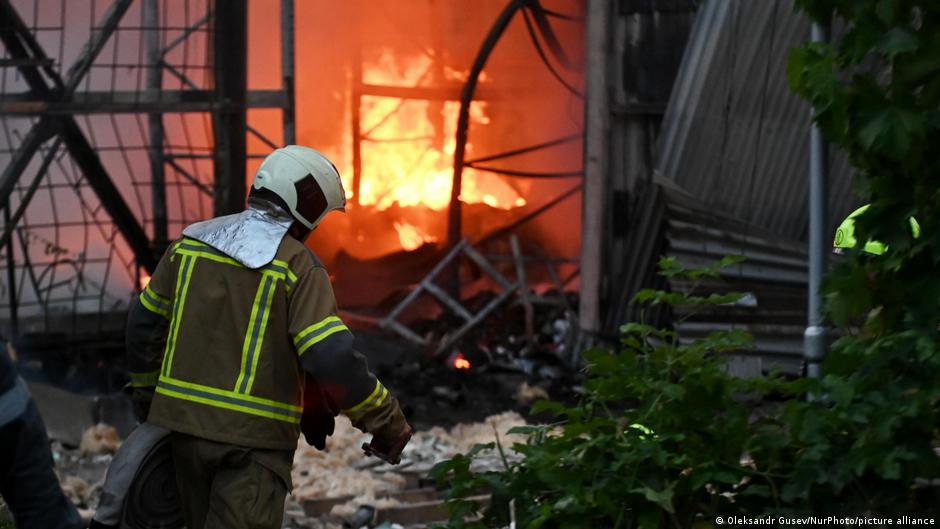
The mayor of Kyiv, Vitali Klitschko, and the head of the city’s military administration, Timur Tkachenko, provided updates on the situation. Among the victims were drivers and medical personnel operating at a compromised ambulance substation in the Shevchenkivskyi district. Fires broke out on the roof of a hotel and a market in the same area, while a residential high-rise in Holosiivskyi district also caught fire. Additional destruction occurred in Desnianskyi district, where a nine-story building suffered damage that trapped residents inside, and debris from unmanned aerial vehicle (UAV) impacts fell near a private home.
Other affected areas included the Darnytskyi district, where residents were trapped by partial collapse of a five-story building and multiple private homes burned. Tkachenko reported fires in Solomianskyi and Sviatoshynskyi districts, alongside strikes in Obolonskyi and Podilskyi districts. The initial alert about the attacks was published via the city’s Telegram channel at 20:43 local time.
Market and Sector Implications Amid Rising Risk
These attacks come amid heightened geopolitical tensions, with Ukrainian President Volodymyr Zelensky warning earlier on July 1 about an anticipated mass Russian strike based on intelligence reports. The intensification of hostilities adds uncertainty to Eastern European markets, particularly impacting sectors sensitive to geopolitical risk such as energy, defense, and infrastructure.
“Kyiv is under sustained attack from multiple directions, indicating a potentially protracted conflict phase,” stated a regional security analyst, underscoring the complexity of the unfolding events.
Market participants are closely monitoring trading volumes and sector rotations as investors seek refuge from increased volatility. Defense stocks and companies involved in security technologies have seen elevated interest, while infrastructure and real estate-linked equities in the region face downward pressure due to the damage and operational disruptions.
Furthermore, increased demand for emergency services and reconstruction efforts may influence short-term trading patterns in construction and materials sectors. The broader European markets are likely to grapple with spillover effects, especially if the conflict escalates further.
Market analysts recommend cautious positioning, emphasizing the importance of up-to-date equity research to navigate the evolving risks. With Kyiv residents reportedly seeking shelter in metro stations amid ongoing air raid alarms, the human toll and infrastructure impact continue to weigh heavily on investor sentiment.
As the situation develops, stock exchanges and investors worldwide remain attentive to further announcements and intelligence that may dictate market trends and sector-specific performance.