Russian Military Strikes on Ukrainian Cities Impact Market Sentiment and Sector Rotation
Recent Russian attacks on Sumy and Zaporizhzhia raise geopolitical risks, influencing Wall Street trading volumes and equity flows.
On the evening of July 3, Russian armed forces launched intensive air and drone strikes targeting the Ukrainian cities of Sumy and Zaporizhzhia, resulting in civilian casualties and infrastructural damage. Such geopolitical escalations are closely monitored by global markets, impacting sector rotation and investor sentiment on Wall Street.
Geopolitical Risks Drive Market Volatility and Sector Shifts
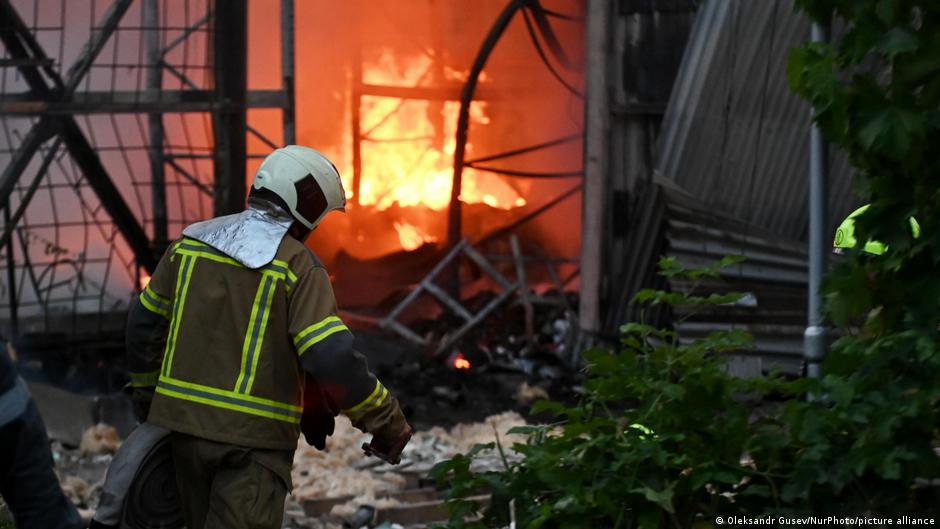
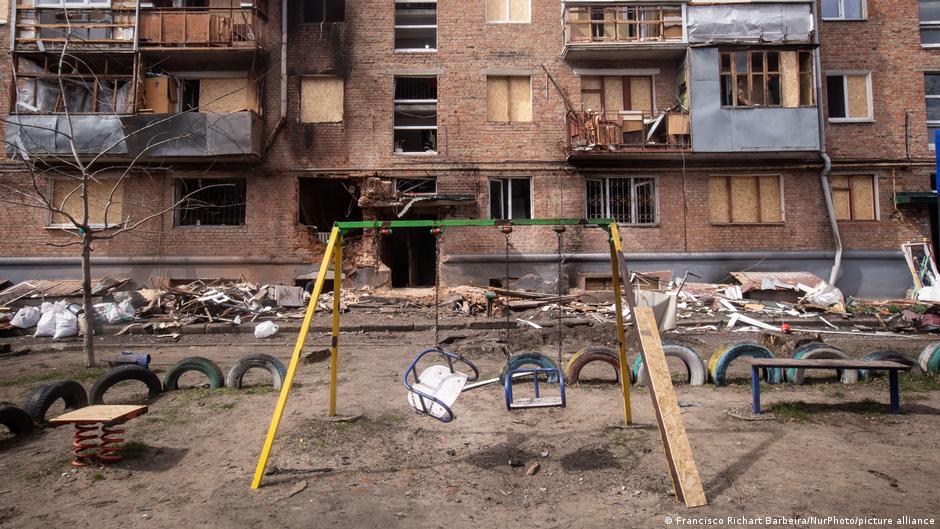
The Russian attacks involved air-dropped bombs and unmanned aerial vehicles (UAVs) striking central urban areas. In Sumy, the strikes hit residential neighborhoods, including a multi-story apartment building and commercial properties, leading to four fatalities and 27 injuries, including seven children. In Zaporizhzhia, missile and drone strikes targeted both residential zones and industrial facilities, causing two deaths and wounding 21 others.
These events heighten concerns over the ongoing conflict in Ukraine, intensifying geopolitical risks that often translate into heightened volatility on global equities markets. Investors typically respond by reallocating capital towards defense, energy, and commodity sectors, which are perceived as safer or beneficiaries of conflict dynamics.
"Heightened geopolitical tensions tend to increase trading volumes in defense stocks, while prompting a rotation out of more vulnerable sectors like consumer discretionary," notes an equity research analyst.
Indeed, since the news of the attacks, Wall Street has seen increased trading volumes in defense contractors and energy companies, reflecting investor focus on sectors expected to be influenced by the conflict. Conversely, sectors sensitive to economic slowdown fears, such as technology and consumer discretionary, have experienced relative underperformance.
Equity research firms are revising outlooks to incorporate the potential for prolonged regional instability. Increased defense spending by NATO members and energy market disruptions are likely to underpin valuations in relevant sectors. Meanwhile, heightened risk aversion may spur short-term volatility and rotation away from growth stocks towards value-oriented equities.
Traders and portfolio managers are advised to monitor developments closely, as further escalation or ceasefire progress could significantly affect market dynamics. The evolving conflict remains a key factor in global economic forecasts and investment strategies.