Russian Military Strikes on Kyiv and Kharkiv Spark Market Uncertainty Amid Sector Rotation
Missile and drone attacks on Ukrainian cities prompt cautious trading and impact defense and energy stocks on Wall Street.

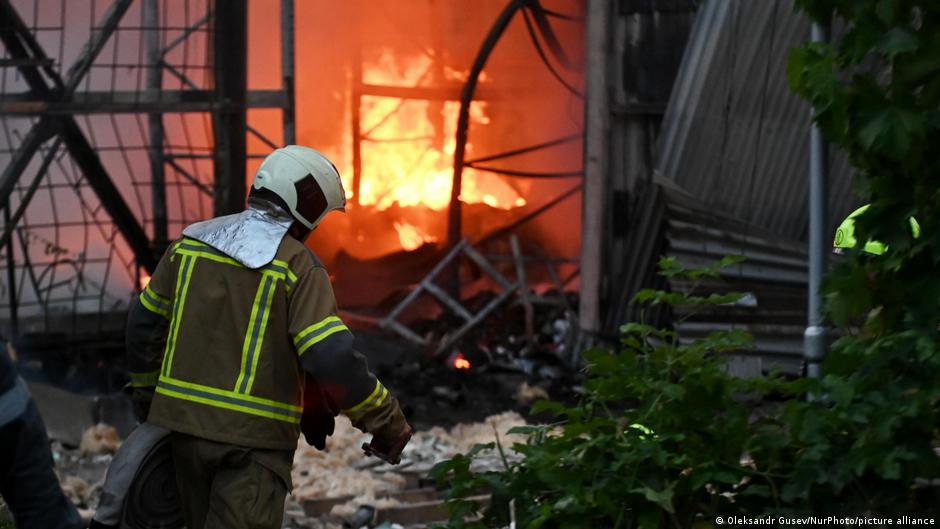
On July 16, Russian armed forces launched combined missile and drone attacks targeting Kyiv and Kharkiv, intensifying geopolitical tensions that are reverberating through global financial markets. The assaults resulted in significant damage in both cities, with Kyiv hit by ballistic missiles and Kharkiv attacked using drones.
Kyiv’s mayor reported two fatalities and six injuries following strikes in the Darnytskyi, Sviatoshynskyi, and other districts, where residential and non-residential buildings sustained damage and fires broke out. In Kharkiv, drone strikes impacted multiple urban areas, including parks, a cinema building, parking lots, tennis courts, and residential garages.
Market Reactions and Sectoral Impacts
Wall Street responded to the heightened conflict with increased volatility and a shift in sector preferences. Defense sector stocks saw an uptick amid expectations of expanded military spending and prolonged conflict, while energy shares experienced mixed reactions due to concerns over supply disruptions and geopolitical risk premiums.
Equity research teams highlighted that the missile and drone strikes could reinforce further investment in defense contractors, cybersecurity firms, and energy companies involved in alternative supply chains. Trading volumes spiked as institutional investors adjusted portfolio exposures to mitigate risks associated with continued hostilities in Eastern Europe.
"The recent military actions underscore ongoing geopolitical instability, prompting a rotation into sectors perceived as defensive plays, particularly defense and energy," noted a market analyst.
Financial markets are closely monitoring developments, with investors weighing the implications of sustained conflict on global energy supplies and the international defense landscape. Analysts suggest that sustained military engagements could lead to prolonged elevated volatility, particularly in sectors directly linked to defense production and energy logistics.
Investors are advised to remain vigilant as geopolitical events continue to influence market dynamics, affecting trading volumes and prompting reevaluation of risk across equity portfolios. The evolving situation underscores the interconnectedness of global security issues and financial markets, as sector rotations reflect shifting investor sentiment amid uncertainty.