Russian Military Strikes in Ukraine Impact Key Sectors Amid Market Volatility
Recent Russian attacks in Ukraine trigger sector-specific market reactions and influence trading volumes on Wall Street.

Recent military actions by Russian forces in Ukraine have not only escalated geopolitical tensions but have also influenced financial markets, particularly impacting specific sectors and stocks on Wall Street. The strikes, including a drone attack on a residential building in Kharkiv and a ballistic missile hit on an agricultural enterprise in the Odessa region, have raised concerns among investors about sector rotation and market stability.
Sector-Specific Market Impact
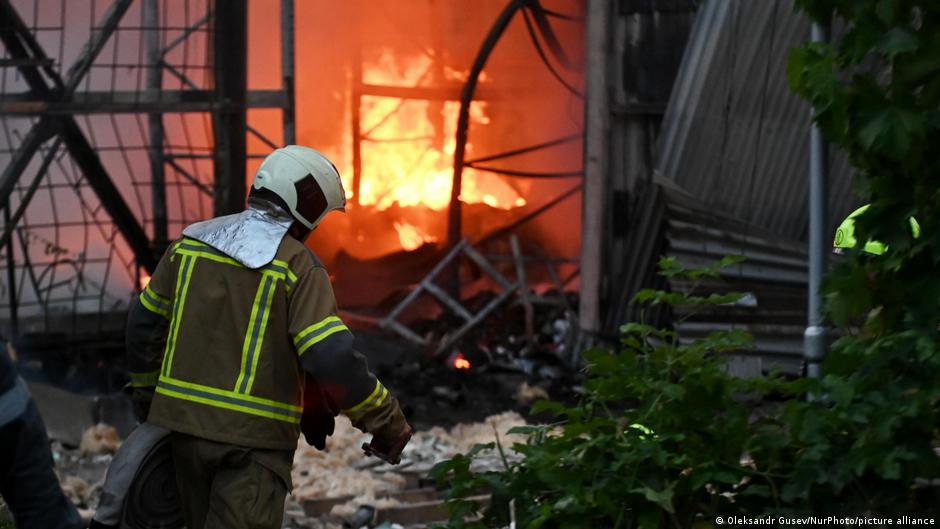
The drone strike in Kharkiv targeted a high-rise residential building, initiating a fire and causing significant structural damage. Meanwhile, the ballistic missile strike in Odessa’s agricultural area resulted in casualties and destruction of storage facilities and fuel tanks. These events have sent ripples through the market, notably affecting sectors tied to defense, agriculture, and infrastructure.
Defense stocks saw increased trading volumes as investors anticipated heightened demand for military and defense technology amid ongoing conflict. Companies specializing in aerial defense systems, missile technology, and cybersecurity experienced notable gains.
"The recent escalation has prompted a reassessment of risk and opportunity across sectors, with defense and security-related equities attracting renewed investor interest," said a market analyst.
Conversely, agricultural stocks faced downward pressure due to the disruption of farming operations and storage capabilities in the attacked region, which is a significant exporter of grain and other commodities. The damage to fuel storage and transport logistics further exacerbated concerns over supply chain stability.
Infrastructure and construction stocks also reflected mixed reactions as investors weighed the potential costs of rebuilding and increased demand for construction services against the broader risks of operating in conflict zones.
Trading Volumes and Equity Research Insights
Trading volumes on Wall Street showed spikes particularly in defense and agricultural ETF categories following news of the attacks. Equity research reports highlighted the potential for accelerated government spending on defense procurement, including recent announcements of missile purchases by Ukraine supported by Germany.
In a noteworthy development, Ukraine’s President Volodymyr Zelensky announced a contract with German manufacturers for 600 anti-air defense missiles. This agreement is expected to bolster defense sector stocks linked to missile production and air defense systems.
Market analysts caution that while increased defense spending may benefit related companies, the broader market faces volatility due to geopolitical risks. Sector rotation strategies are currently favoring defense and technology firms, while investors remain cautious about agriculture and infrastructure sectors exposed to conflict-related disruptions.
As the situation develops, market participants are closely monitoring corporate earnings, supply chain reports, and government policy responses to assess the ongoing impact on asset valuations.