Russian Military Strike on Zaporizhzhia Raises Market Concerns Amid Regional Instability
The combined missile and aerial bombardment on Zaporizhzhia resulted in casualties and infrastructure damage, adding to geopolitical tensions affecting market dynamics.
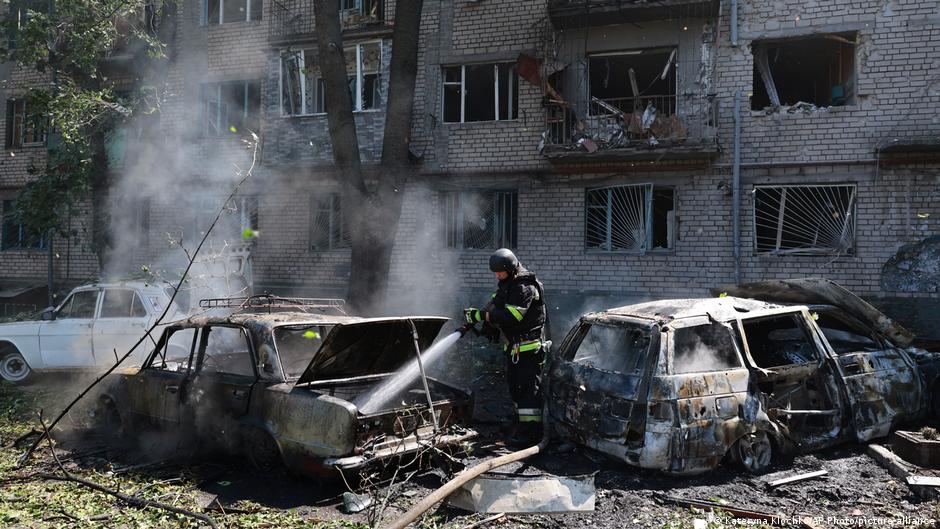
On August 11, the Russian Armed Forces launched a combined missile and aerial bombing strike on the Ukrainian city of Zaporizhzhia, resulting in significant casualties and infrastructural damage. According to Ivan Fedorov, head of the Zaporizhzhia Regional Military Administration, five people were killed and 20 others injured in the attack.
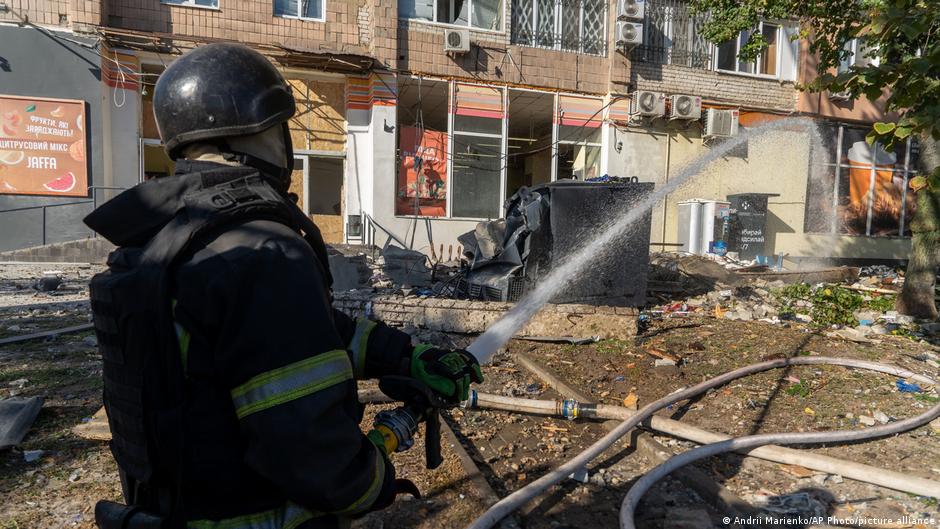
The military action targeted industrial sites and critical infrastructure within the regional center, damaging residential buildings, commercial properties, and a garage cooperative. The assault also caused widespread power outages and fires, exacerbating the humanitarian and operational challenges in the area.
Video footage released by Fedorov showed burning buildings and vehicles, underscoring the severity of the bombardment. This escalation follows a series of attacks with guided aerial bombs and unmanned aerial vehicles (UAVs), which have caused injuries to at least 26 local residents in preceding days.
Market Implications Amid Heightened Geopolitical Risk
The renewed violence in southeastern Ukraine has reverberated across global financial markets, particularly impacting sectors sensitive to geopolitical tensions such as energy, defense, and industrial manufacturing. Investors are closely monitoring the situation as the conflict threatens to disrupt supply chains and regional stability.
"The escalation in Zaporizhzhia signals increased volatility in Eastern Europe, prompting sector rotation and cautious trading among equity investors," noted a market strategist.
On Wall Street, defense stocks have seen increased trading volumes as investors seek exposure to companies potentially benefiting from rising military expenditure. Simultaneously, energy stocks experienced price fluctuations driven by concerns over supply disruptions, given Ukraine's strategic position in European energy transit routes.
Equity research firms are revising outlooks for affected sectors, highlighting risks associated with prolonged conflict and geopolitical uncertainty. Market participants are also observing shifts in capital allocation, with a tilt towards safer, less cyclical assets amid ongoing volatility.
The Ukrainian capital, Kyiv, remains on high alert with repeated air raid alarms due to the threat of ballistic weapon use by Russian forces. One injury was reported in Kyiv’s Shevchenkivskyi district overnight, with emergency medical teams dispatched promptly. In Poltava region, debris from a Russian UAV fell on a residential high-rise roof, but no casualties have been reported.
These developments underscore the broader regional instability that continues to influence global market sentiment and investment strategies. Investors are urged to monitor geopolitical developments closely, as escalation in the conflict zone could further impact market liquidity and sector performance.