Russian Government Proposes Expanding Military Contracts to Convicted Individuals Amid Mobilization Efforts
New bill allows broader categories of convicted persons to sign military contracts, impacting defense sector labor supply and related stocks.
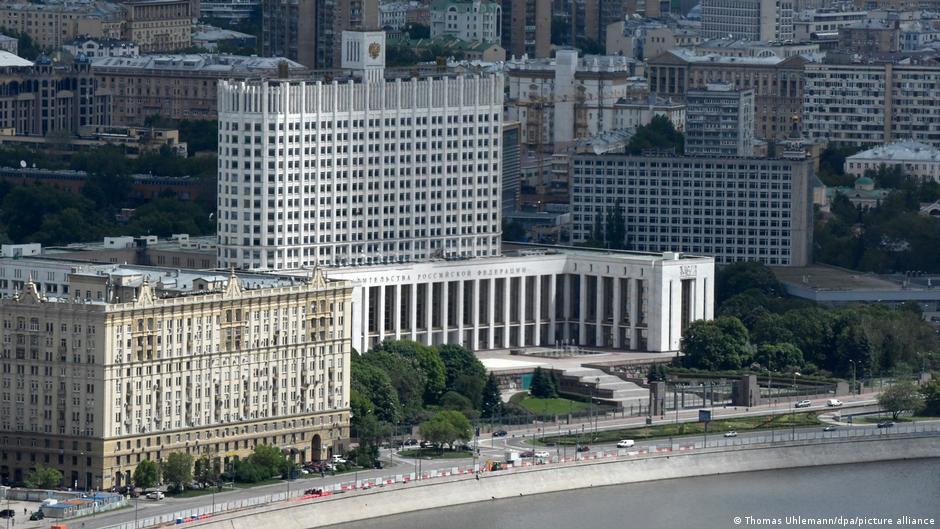
The Russian government has submitted a new bill to the State Duma proposing to expand the list of criminal offenses for which convicted individuals may be eligible to sign contracts with the Ministry of Defense, particularly during mobilization, martial law, or wartime. This measure aims to supplement Russia's military manpower amid ongoing conflict and could influence market dynamics in defense-related sectors.
Implications for Defense Sector and Market Sentiment
The bill intends to permit individuals convicted under various articles of the Russian Criminal Code—such as banditry, organized crime involvement, and drug smuggling—to enter into military service contracts. Other included offenses cover illegal migration organization, nuclear material offenses, cash smuggling, and loss of classified documents.
According to the explanatory note attached to the bill, amendments will be made to the Federal Law on Military Duty and Service and to the Criminal Code. The government asserts that these changes will not produce adverse socio-economic or financial effects and will not hinder the achievement of state program objectives.
"The adoption of this bill will not have negative social, economic, or financial consequences," the explanatory document states.
From a market perspective, the expansion of eligible contract soldiers potentially eases manpower shortages for defense contractors and the Russian military-industrial complex. Investors monitoring defense stocks may perceive this policy as a government effort to bolster military capacity without resorting to full-scale conscription, impacting equity valuations and trading volumes in related sectors.
Recent months have seen various government initiatives to increase contract enlistment. For example, President Vladimir Putin extended a law in late May offering debt forgiveness to new military contractors. Recruitment efforts also include offering military-related vacancies abroad and coercive enlistment practices reported in certain regions.
Higher education institutions like the National Research University Higher School of Economics have also incentivized military contracts by promising to fund tuition for students who enlist in specialized military units. Meanwhile, media reports speculate about the possibility of new mobilization waves, which contribute to investor uncertainty.
Market Reactions and Sector Rotation Considerations
Equity research analysts tracking Russian defense and related sectors note that policy shifts increasing the pool of military personnel may stabilize defense output but also highlight risks associated with geopolitical tensions and recruitment controversies. Trading volumes in companies supplying military hardware or services may fluctuate as investors weigh these factors against broader economic sanctions and capital controls.
Sector rotation strategies could emerge as investors seek to hedge geopolitical risks by reallocating assets within industrial and materials segments aligned to defense production. Analysts emphasize monitoring legislative developments and recruitment data closely to assess impacts on company earnings and stock performance.
Overall, while the proposed bill may alleviate some labor constraints in the defense sector, uncertainties remain regarding enforcement and broader social responses, which could indirectly affect market sentiment and trading behavior on Wall Street.