Russian Gas Transit Proposal Puts European Energy Stocks in Focus
A U.S.-backed plan to revive Russian gas flows through Ukraine could reshape investor expectations across European energy and utility stocks.
A U.S. proposal to restart Russian natural gas shipments to Europe through Ukraine is putting energy producers, utilities and infrastructure operators on the equity market watchlist, although the initiative faces significant political and regulatory resistance in the European Union.
The United States is seeking a rapid resumption of gas transit as part of negotiations over an energy ceasefire between Moscow and Kyiv, The Wall Street Journal reported Sunday, Nov. 1, citing U.S., European and Ukrainian officials. The proposal would involve selling Russian gas through an American intermediary, potentially creating opportunities for U.S. investors while providing a structure intended to navigate European sanctions.
For Wall Street, the reported talks introduce a potential catalyst for shares exposed to European natural gas prices. Renewed pipeline supplies could alter earnings assumptions for liquefied natural gas exporters, European utilities, commodity traders and energy-intensive industrial companies. The report did not identify publicly traded intermediaries, disclose expected shipment volumes or provide financial terms, leaving investors without enough detail to quantify the possible effect on individual stocks.
Sector rotation hinges on gas prices and policy
A sustained increase in pipeline gas supply could ease European energy costs, potentially supporting chemicals, metals, fertilizers and other industries that consume large amounts of fuel. Utilities with substantial gas procurement needs could also benefit from lower wholesale prices, depending on their hedging arrangements and the regulatory rules governing customer tariffs.
The same development could challenge parts of the LNG investment thesis if cheaper Russian pipeline gas displaced seaborne cargoes. About 30% of European gas consumption is currently supplied by U.S. LNG, according to the report. Any meaningful return of Russian pipeline volumes could therefore affect market expectations for U.S. LNG producers, terminal operators and shipping companies, even if the immediate impact remained limited by contracts and infrastructure constraints.
Russian gas now represents roughly 11% of European consumption, down from 45% before Russia's full-scale invasion of Ukraine. Those figures underscore how extensively Europe has reconfigured its energy supply and why a reversal could produce divergent stock reactions rather than a uniform move across the energy sector.
The market impact would depend on whether the proposal advances from diplomatic discussions to a legally workable agreement with identifiable volumes, pricing and counterparties.
Trading activity could concentrate in European utilities, LNG-linked U.S. equities and energy-intensive manufacturers as investors reassess commodity-price exposure. However, the source article provided no stock-price changes or trading-volume data connected with the proposal. Equity research analysts would consequently need to treat the initiative as a scenario rather than incorporate it into base-case forecasts.
Diplomatic incentive meets European resistance
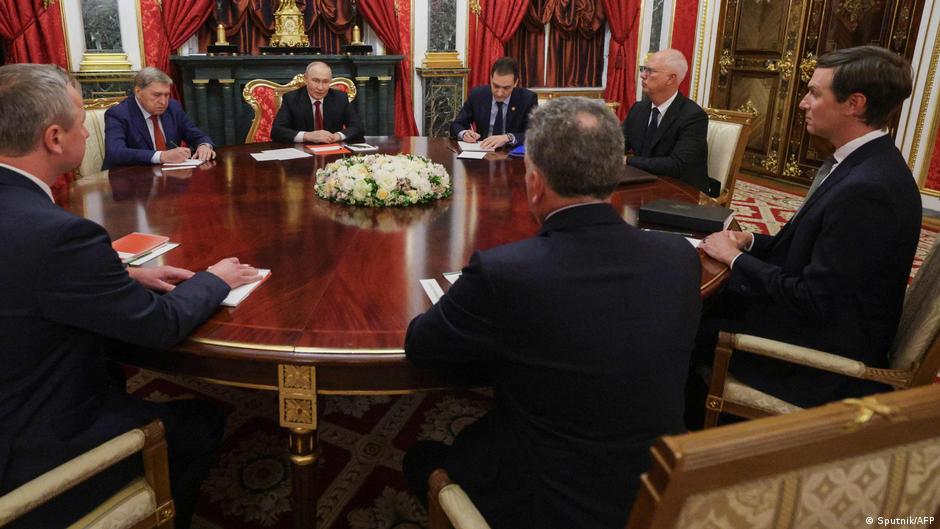
U.S. negotiators Jared Kushner and Steve Witkoff discussed the idea during trips to Moscow and Kyiv in September, according to officials cited by the Journal. Washington is seeking a comprehensive agreement to halt attacks on energy facilities before three-way talks involving the United States, Russia and Ukraine scheduled for November in Abu Dhabi.
The Trump administration reportedly expects European opposition to prove less rigid than governments' public statements suggest. U.S. officials view Russia's return to the European gas market as an additional incentive for President Vladimir Putin to support an energy ceasefire. Ukraine, meanwhile, could receive additional revenue from moving gas across its territory.
One U.S. official said the White House had also proposed placing proceeds from Russian gas sales to Europe into a special account in a third jurisdiction. The mechanism would be intended to restrict the use of those funds for military purposes. No details were reported about the jurisdiction, oversight arrangements or companies that might administer the transactions.
European resistance remains the central risk to the proposal. Existing EU legislation calls for Russian gas imports to be phased out by the end of 2027, and leaders of major European countries have repeatedly said they do not want to restore dependence on Russian energy. European officials have also expressed concern that the U.S. plan could undermine the bloc's strategy of abandoning Russian supplies.
Some European officials privately criticized the idea sharply, according to the report. The U.S. administration nevertheless believes high energy prices and energy-security risks could make European governments more receptive.
For equity investors, the proposal creates competing narratives: cheaper gas could improve margins for European industrial companies, while renewed Russian supply could pressure sentiment toward U.S. LNG businesses and complicate capital-allocation assumptions across energy infrastructure. Until negotiators disclose volumes, contract duration and sanctions treatment, research desks are likely to focus on sensitivity analysis rather than definitive earnings revisions.