Cyberattacks on Ukraine and Russia Alert Apps Put Security Stocks in Focus
False radiation and nuclear warnings highlight cyber risks to public infrastructure, sharpening investor attention on security providers.
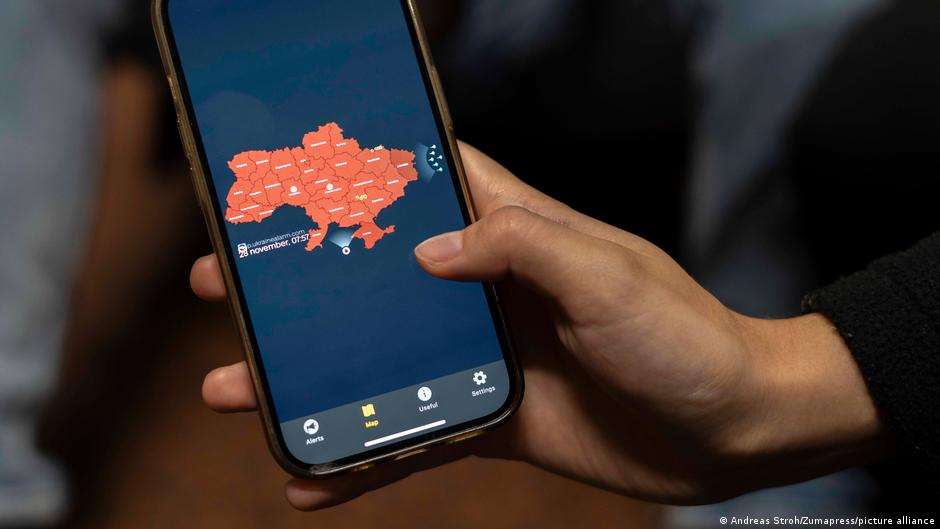
Cyberattacks disrupted government-linked emergency notification applications in Ukraine and Russia, sending users false warnings about radiation, chemical hazards, street fighting and incoming nuclear warheads. The incidents put the resilience of critical public communications infrastructure under scrutiny and may renew equity-market interest in cybersecurity providers.
Neither government identified a publicly traded contractor responsible for the affected applications, and the available statements did not disclose financial losses, trading volumes or any direct impact on listed companies. For Wall Street, the immediate significance is therefore thematic rather than company-specific: another demonstration that public-sector digital infrastructure can become a target during periods of geopolitical tension.
False alerts disrupt Ukrainian service
Ukraine’s official Air Raid Alert application, which is used to warn the public about threats, came under cyberattack on the evening of Sunday, Nov. 1. Users began receiving false messages about radiation and chemical dangers, as well as notifications warning of possible street fighting in Kyiv.
The Ukrainian Air Force was the first authority to respond publicly. The military said the application had probably been subjected to hostile interference and stressed that there was no radiation threat.
“There is no radiation threat,” the Ukrainian military said in response to the false notifications.
Ukraine’s State Emergency Service said the nationwide alert system was operating normally. It added that all genuine threat signals continued to be transmitted to regional administrations and outdoor public-warning systems, indicating that the compromised application was not the country’s only channel for emergency communications.
The application’s developers later confirmed that the service had been breached. They said unauthorized third parties had interfered with its operation, prompting the team to disable push notifications and temporarily suspend the application. Users were also urged not to follow links contained in suspicious messages.
During the night of Nov. 2, the development team reported that the service was being restored gradually after the cyberattack. Users had begun receiving air-raid notifications again, although some functions remained temporarily unavailable.
The developers said the application does not store users’ personal data and that additional cybersecurity protections were being introduced. That distinction may limit concerns about a conventional consumer-data breach, but the incident underscores another category of digital risk: manipulation of trusted communications during an emergency.
Russia reports parallel attack
Russia’s Ministry of Emergency Situations reported a cyberattack at almost the same time. The ministry described the event as a massive cyberattack against its mobile application.
According to the Russian agency, attackers used the compromised service to distribute false information claiming that nuclear warheads had been launched toward Russia. Specialists were working to address the vulnerability and restore the application’s normal operation, the ministry said.
The reports from both countries involved mobile services associated with official emergency communications and fabricated messages designed to trigger public alarm. The source statements did not establish whether the two attacks were technically connected, identify the perpetrators or provide details about the methods used to gain access.
Equity investors assess a thematic cybersecurity signal
For stock investors, the incidents add to the case for sustained spending on identity controls, application security, threat monitoring and resilient notification infrastructure. The potential beneficiaries would generally sit within cybersecurity software, government IT services and secure communications, although the official disclosures did not name vendors or contracts that would justify attributing the event to any specific stock.
The developments could also reinforce sector rotation toward defensive technology themes when geopolitical risk rises. Cybersecurity shares are often evaluated on recurring revenue, public-sector demand and the durability of enterprise security budgets. At the same time, investors will need to distinguish broad sentiment-driven moves from changes in company fundamentals, because no new procurement plans, contract awards or spending figures were announced in connection with these attacks.
Trading desks may watch cybersecurity names and funds for changes in volume as markets digest the incidents, but the source information provides no evidence of an immediate volume surge or measurable repricing. Equity research teams are more likely to treat the attacks as another data point supporting long-term demand than as a basis for near-term earnings revisions.
The central market takeaway is the operational importance of protecting government alert platforms, especially when false notifications can imitate warnings of radiation, chemical exposure, urban combat or nuclear attack. Until authorities disclose technical findings or identify affected suppliers, the investment impact remains a sector-level risk signal rather than a stock-specific catalyst.