Russian Fuel Dampener Reform Aims to Stabilize Domestic Market and Impact Energy Stocks
Amendments to Russia’s fuel pricing mechanism seek to increase supply and curb volatility, influencing energy sector equities and trading volumes.
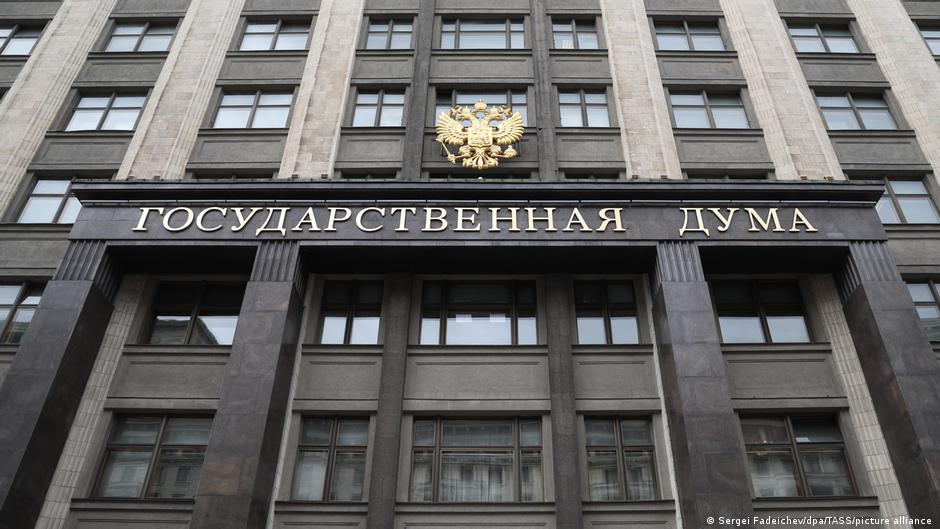
The Russian State Duma has approved a significant revision to the fuel dampener mechanism aimed at stabilizing the domestic fuel market amid ongoing supply challenges. The legislative package, adopted in the second and third readings, introduces changes to the Tax Code that affect state compensation schemes for oil companies, rules for exchange-based fuel sales, and new provisions for compensations related to imported diesel fuel.
Key Amendments and Market Implications
The fuel dampener system, which compensates oil producers to help suppress retail fuel price increases within Russia, has been modified to expand the scope of sales volumes counted toward mandatory exchange sales quotas. Previously, only exchange-traded fuel volumes were included, but now volumes sold off-exchange under government-approved conditions will also qualify. This change is expected to facilitate increased fuel availability for key sectors, particularly agriculture, by enabling direct contracts between refineries and authorized fuel suppliers for farm producers.
"The new legislation is designed to preserve sector-specific fuel supplies without breaching mandatory exchange sale requirements," explained government officials.
Additionally, the amendments introduce compensation payments for medium distillates, a category of petroleum products similar to diesel, from July 2026 through July 2027. This inclusion targets an internal fuel variant critical for the domestic market. Parallel to this, a compensation mechanism for imported diesel fuel will be implemented, mirroring the existing subsidy scheme for gasoline imports.
Under this new framework, importers facing higher costs than domestic wholesale prices will receive excise tax refunds to offset the difference, but only during periods when export restrictions on diesel and aviation kerosene are simultaneously enforced. Import prices from third countries will be benchmarked using Indian market prices, adjusted for delivery to Russian ports. Belarusian imports will receive preferential compensation coefficients, encouraging higher supply volumes from this key partner.
Impact on Energy Sector Stocks and Market Dynamics
The legislative revisions arrive as global and regional supply factors exert pressure on Russia’s fuel markets. Notably, India's recent decision to nearly double export duties on diesel and aviation fuel complicates import cost structures, given India’s role as a major global supplier accounting for approximately 6% of maritime petroleum product exports.
These regulatory adjustments, combined with government-enforced export limits and increased domestic production, aim to reduce price volatility and enhance supply stability. Market observers anticipate these measures will influence trading volumes and sector rotation within Russian equities, particularly affecting oil refining and logistics companies exposed to fuel distribution.
Trade volumes may see shifts as mandatory sales requirements broaden, offering more flexibility to oil producers and distributors. Investors are advised to monitor changes in refinery output and import patterns, which could affect company earnings and stock valuations.
Russian leadership has emphasized prompt results, with officials noting early signs of stabilization and increased fuel availability. The backdrop includes significant capacity losses earlier in 2026 due to drone strikes on key refineries, which curtailed up to 25% of Russia’s refining capacity and pressured the government to intensify market regulation.
As supply-side challenges persist, the fuel dampener reform represents a strategic effort to balance internal fuel availability, maintain price controls, and ensure sector-specific supply chains remain intact. Equity analysts expect that companies well-positioned to navigate these regulatory changes and supply dynamics could benefit from improved market sentiment and reduced operational risks.