Russian Election Official Advocates Disenfranchisement of Emigrated Citizens Amid Political Tensions
Ella Pamfilova suggests stripping voting rights from Russians who have left the country, signaling potential political and market implications.
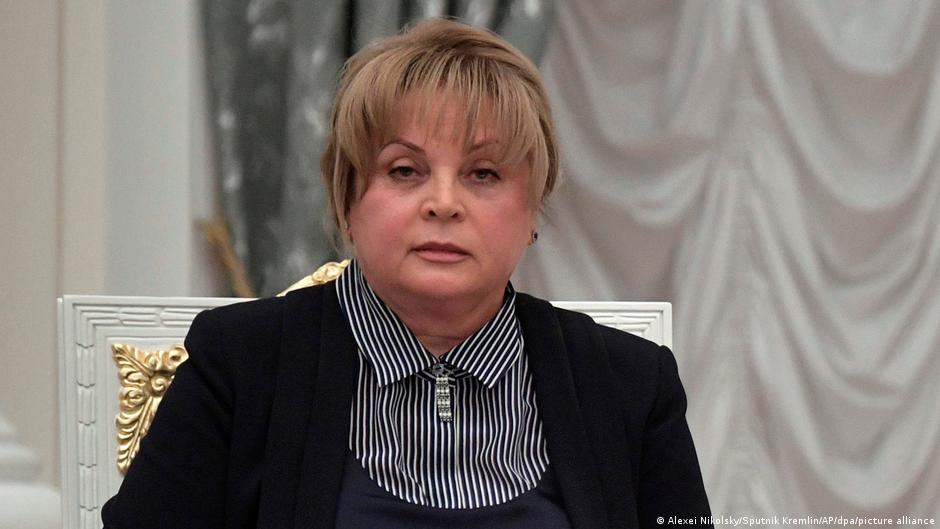
Ella Pamfilova, head of the Russian Central Election Commission (CEC), recently voiced a strong stance regarding the voting rights of Russian citizens who have emigrated. In an interview, she stated that those who have left Russia should be deprived of their right to vote, asserting, "If you left the country, you betrayed it – so get out." This position highlights ongoing political tensions that may influence investor sentiment and market behavior, particularly in sectors sensitive to political risk.
Implications for Political Climate and Market Sentiment
Pamfilova emphasized that the future determination of voting rights for so-called "foreign agents" will be decided by the newly elected deputies of Russia’s State Duma. The term "foreign agents" refers to individuals and organizations labeled by the Russian government as receiving foreign funding or engaging in activities considered harmful to national interests.
"I consider those who left the country to have betrayed it," Pamfilova said, underscoring a hardline approach toward emigration and political participation.
This hardening stance may have broader repercussions on Russia’s political stability and international relations, which, in turn, could impact the performance of Russian equities. Sectors such as financials and energy, which rely heavily on foreign investment and international cooperation, might face increased volatility as geopolitical risks rise.
Moreover, the CEC has recommended that Russian diplomatic missions in countries deemed "unfriendly" by Moscow verify with local authorities whether election security can be guaranteed. This move reflects concerns about electoral integrity and potential external influences.
For investors, such political developments could accelerate sector rotation away from Russian equities perceived as vulnerable to sanctions or regulatory clampdowns. Trading volumes in stocks tied to politically sensitive sectors may experience heightened fluctuations as market participants reassess risk exposures.
Background on the "Foreign Agents" Designation and Market Impact
The "foreign agent" designation has evolved since its inception in 2012. Initially targeting nonprofit organizations receiving foreign funding, the registry expanded in 2017 to include media outlets and, by 2020, individual citizens. Entities branded as "foreign agents" face stringent government oversight, mandatory labeling of their publications, and severe penalties for noncompliance, including fines and criminal charges.
Such measures contribute to an environment of increased regulatory risk, affecting investor confidence. Companies and individuals under this label may find it challenging to operate freely, which can lead to diminished market capitalization and liquidity, particularly in sectors like media, technology, and civil society support services.
Given these dynamics, equity research analysts may need to re-evaluate Russia-focused portfolios, considering the potential for escalated political risk and regulatory hurdles that could influence earnings and valuation multiples.
Overall, Pamfilova’s comments signal a continuation of Russia’s tightening domestic policies and a growing divide between the government and emigrated citizens, factors that bear watching for their broader market consequences.