Russian Drone Strikes on Kharkiv Impact Local Infrastructure Amid Sector Rotation Concerns
Military drone attacks in Kharkiv and Dnipro raise geopolitical tensions influencing Wall Street’s market dynamics and sector performance.
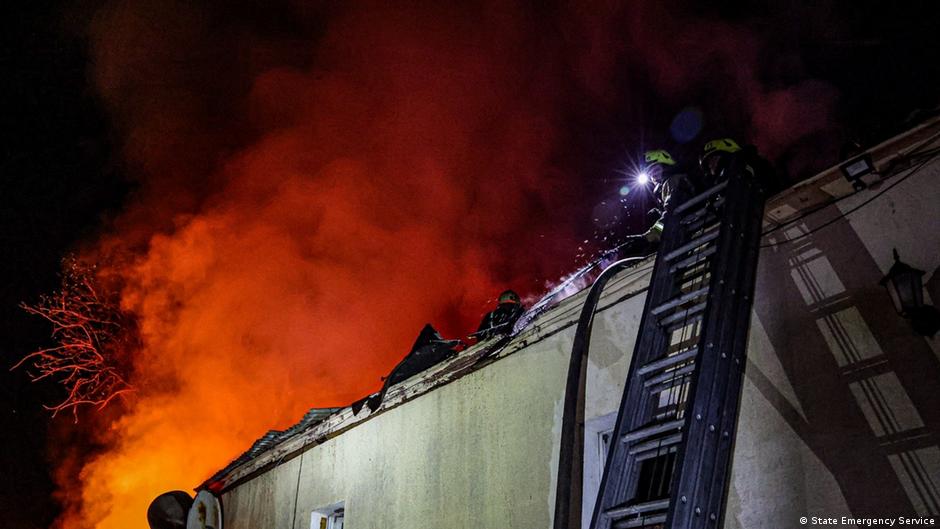
Russian forces launched drone strikes overnight targeting multiple districts in Kharkiv, Ukraine, causing significant infrastructure damage and civilian casualties. The attack, confirmed by regional authorities, also coincided with a missile strike on a food industry enterprise in Dnipro. These events have intensified geopolitical risks that could affect market sentiment and sector rotation on Wall Street.
Details of the Drone Attacks and Regional Impact
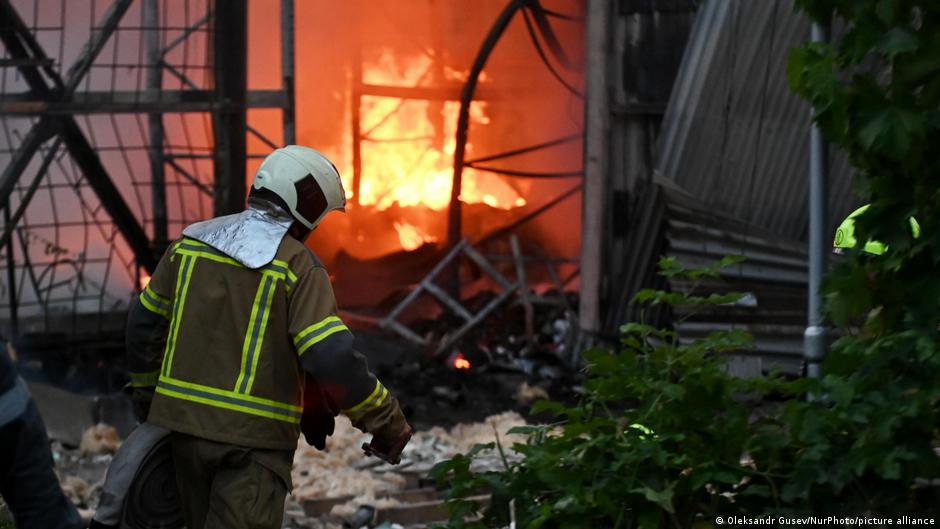
According to the head of Kharkiv’s regional military administration, drone strikes hit the Shevchenkivskyi, Kyivskyi, and Saltivskyi districts. The assault damaged over 20 residential buildings, with three individuals seeking medical treatment, including a 16-year-old girl. The city’s mayor further reported that a garage cooperative in the Kyivskyi district caught fire due to the attacks.
Meanwhile, in Dnipro, Russian forces targeted a food industry facility, though preliminary reports indicate no casualties at this site. The Ukrainian Air Force also reported multiple drone launches and guided bomb attacks toward several other regions, including Sumy, Zaporizhzhia, Donetsk, Poltava, and Odesa.
"The recent escalation in drone and missile attacks highlights the persistent volatility in the region, underscoring the risk factors impacting market confidence," said a geopolitical analyst.
On July 11, Russian forces launched a combined missile and drone assault, deploying six Iskander-M/S-400 ballistic missiles, four Kh-59/69 cruise missiles, two Kh-31 anti-radar missiles, and 121 drones. Kyiv faced significant damage with 12 reported casualties due to ballistic missile strikes. Additionally, drone attacks affected civilian enterprises and infrastructure in Kharkiv.
Further missile strikes on Odesa resulted in two fatalities, while daytime bombings in Sumy caused five deaths and injured 30. In Zaporizhzhia, guided bomb attacks injured at least four people, with casualty numbers still being updated.
Market Implications and Sector Rotation
These ongoing military escalations have injected fresh uncertainty into global markets, particularly affecting sectors sensitive to geopolitical risk such as energy, defense, and industrials. Increased military activity tends to drive higher volatility in equities, prompting investors to rotate toward defensive sectors or companies with exposure to defense contracts.
Trading volumes in affected sectors have seen notable upticks, reflecting portfolio adjustments that favor risk mitigation. Equity research teams are closely monitoring the situation, advising caution for investments in regions directly impacted by conflict or companies with supply chain exposure to Eastern Europe.
Wall Street’s response highlights the nuanced balance between risk and opportunity amid geopolitical instability. Defense stocks have gained some momentum, while sectors like consumer discretionary and travel continue to face headwinds due to heightened uncertainty.