Russian Diesel Tanker Diversions Put US Refining and Transport Stocks in Focus
Two tankers carrying Russian fuel have changed course, clouding a politically sensitive plan to ease US diesel prices and inflation.
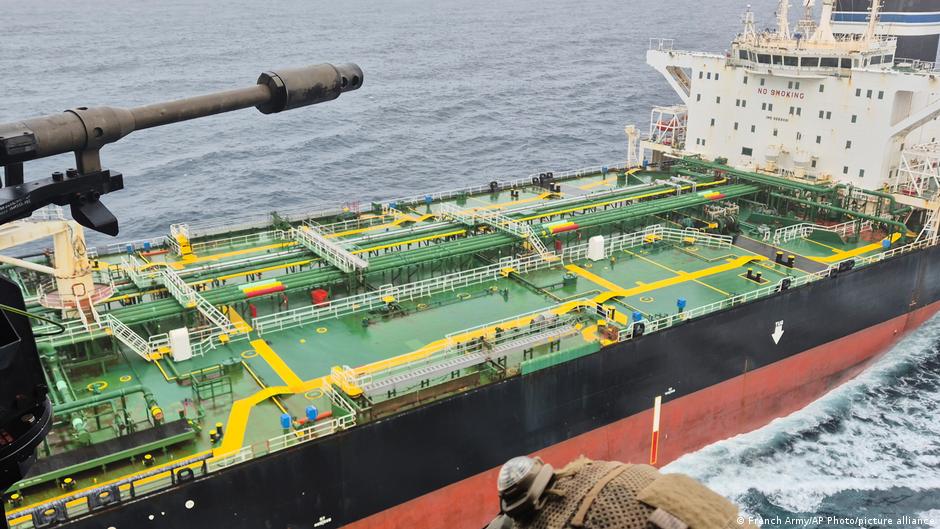
Two of three oil tankers carrying Russian fuel toward the United States have changed course, the Financial Times reported, threatening an agreement between US President Donald Trump and Russian President Vladimir Putin to purchase and import Russian diesel.
The apparent disruption puts diesel-sensitive segments of the US equity market in focus, particularly refiners, freight carriers, airlines and retailers with large transportation expenses. The source report did not provide individual stock moves or equity-trading volumes, but the tanker movements could affect investors’ expectations for fuel supplies, inflation and corporate margins.
The Russian tanker Talisman and the Hong Kong-owned Leruo, which sails under the flag of Sierra Leone, no longer identify the US Atlantic coast as their destination, according to the report. Leruo redirected toward Brazil on Nov. 2, while Talisman entered the Mediterranean and was positioned off Algeria.
Talisman was transmitting a “for orders” signal, indicating that its cargo did not yet have a confirmed buyer or destination port. Both Talisman and Leruo are subject to European Union sanctions.
Refiners Gain Attention as Fuel Costs Pressure Transport Shares
For Wall Street, uncertainty over incoming Russian diesel could reinforce a sector split between companies that may benefit from stronger refined-product prices and businesses that consume large volumes of fuel. US refiners can be sensitive to diesel margins, while trucking companies, parcel-delivery groups, airlines and other transport operators face higher operating costs when fuel prices rise.
Retailers and manufacturers could also attract scrutiny because elevated freight bills can compress margins or be passed through to customers, prolonging inflation. The severity of any equity-market effect would depend on whether the redirected cargoes are replaced, whether the remaining vessels complete their journeys and how quickly domestic or alternative foreign supplies respond.
Diesel futures have risen by more than 60% since the beginning of the war in Iran. At the start of November 2026, average diesel prices at US filling stations were approximately $6.30 per gallon, equivalent to $1.66 per liter. Those levels raise the market significance of marginal supply changes, even though the report did not state the volume of fuel aboard the vessels.
The third tanker, Agioi Fanendes, owned by Greek shipping company Eastern Mediterranean Maritime, continued toward the United States but was also transmitting “for orders.” It was expected to reach New York during the weekend.
“However, given the apparent caution among US buyers because of regulatory, legal and sanctions risks, it would not be surprising if this tanker also changed course and declined to call at the US,” the Financial Times quoted Kpler analyst Matt Smith as saying.
Another sanctioned tanker, Beast, owned by companies based in the Seychelles, loaded at the Russian port of Primorsk on Oct. 27 and continued to sail toward the US Atlantic coast, according to the report.
Sanctions Risk Complicates the Equity Research Outlook
The ships’ changing destinations highlight why analysts assessing the proposed imports must look beyond headline supply commitments. A cargo can be physically available while remaining commercially difficult to place if potential buyers, banks, insurers or port operators perceive regulatory, legislative or sanctions exposure.
That distinction matters for equity research. A sustained reduction in expected diesel imports could support a more constructive view of refining margins, while producing a more cautious outlook for fuel-intensive transport companies. Conversely, successful arrival and sale of the remaining cargoes could ease some pressure on diesel prices and improve sentiment toward businesses with substantial logistics costs.
Investors would also be likely to watch trading activity across energy and transport shares for evidence of sector rotation. The source material, however, did not provide company-specific share-price changes, trading-volume data or revised analyst ratings, making it premature to attribute a confirmed market move to the tanker diversions alone.
Trump reached the diesel-purchase agreement with Putin several weeks before the US congressional midterm elections, seeking to reduce fuel prices and strengthen political support. The initiative did not help the Republican Party at the ballot box. In the Nov. 3 elections, Democrats secured majorities in both the Senate and the House of Representatives.
That outcome adds another layer of uncertainty for markets evaluating whether the import arrangement can proceed. With buyer caution already evident and control of Congress shifting to Democrats, investors face unresolved questions about regulation, sanctions enforcement and the durability of the policy.
The immediate market catalysts are operational: whether Agioi Fanendes enters New York, whether Beast maintains its course, and whether Talisman and Leruo secure alternative buyers. Until those questions are resolved, diesel pricing and sanctions exposure are likely to remain central variables for refining, transportation and consumer-sector earnings expectations.