Russian Ban on Human Rights Foundation Adds Uncertainty to Market Sentiment
Russia designates US-based Human Rights Foundation as 'undesirable,' signaling potential geopolitical tensions affecting investor confidence.
The Russian Prosecutor General's Office has declared the American-based Human Rights Foundation (HRF) as an 'undesirable' organization within Russia, escalating tensions that could influence market dynamics and investor sentiment. This move, announced on August 6, 2024, reflects growing geopolitical friction with potential repercussions for equities linked to geopolitical risk exposure.
Implications for Market Stability and Sector Rotation
The Human Rights Foundation, established in 2005, is known for its advocacy on global human rights issues and recently launched the "Tyranny Tracker" project, an interactive map that ranks countries by their adherence to democratic principles. Russia is classified as fully authoritarian on this platform, a designation cited by the Prosecutor General as part of the justification for banning the organization.
From a market perspective, such regulatory moves targeting politically sensitive organizations raise concerns about Russia's domestic policy direction and its openness to international civil society engagement. This could prompt a cautious approach among investors, particularly in sectors with significant geopolitical sensitivity such as technology, defense, and energy.
Equity research analysts are monitoring the situation as part of a broader risk assessment framework. Increased state intervention in civil society and information dissemination may signal potential regulatory tightening, which historically influences sector rotation towards more defensive assets. Trading volumes in Russian equities could reflect heightened volatility as market participants adjust exposure to geopolitical risks.
"The designation of the Human Rights Foundation as 'undesirable' is a clear signal of escalating political risk, which may recalibrate investor appetite for Russian assets," said a market strategist.
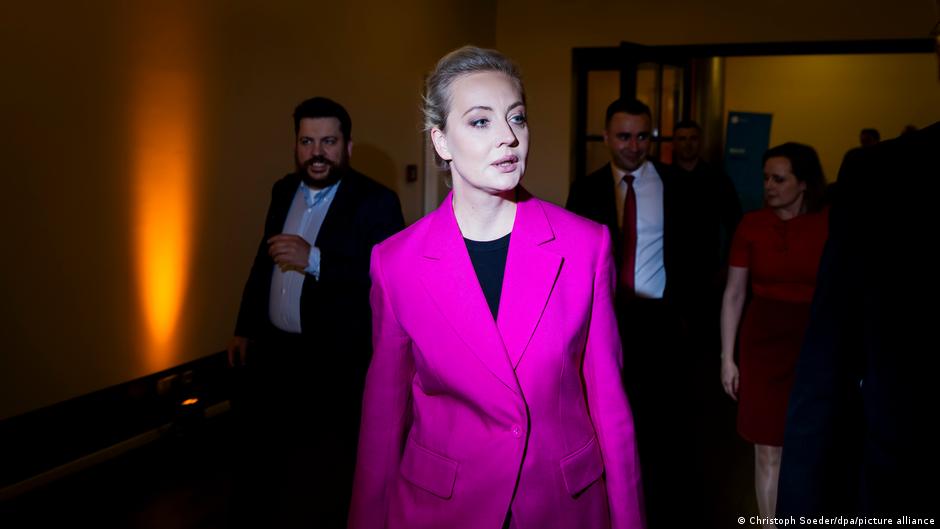
Moreover, the leadership change within HRF, with Yulia Navalnaya assuming the chairperson role in 2024 following chess champion and opposition figure Garry Kasparov, underscores the foundation's evolving influence and its potential to affect narratives around governance and transparency. This may further amplify perceptions of Russia's political climate among international investors.
Market watchers will be particularly attentive to any shifts in capital flows and trading patterns that could arise from this development. Sector rotation towards safer havens or away from Russian-exposed equities might be observed, reflecting broader risk-off sentiment.
As geopolitical and regulatory risks remain prominent, investors and analysts are advised to closely follow developments related to Russia's domestic policies and their broader impact on market stability.