Russian Ballistic Missile Strikes on Kyiv Raise Market Concerns Amid Sector Rotation
Nighttime missile attacks on Kyiv exacerbate geopolitical tensions, impacting specific stocks and trading volumes on Wall Street.
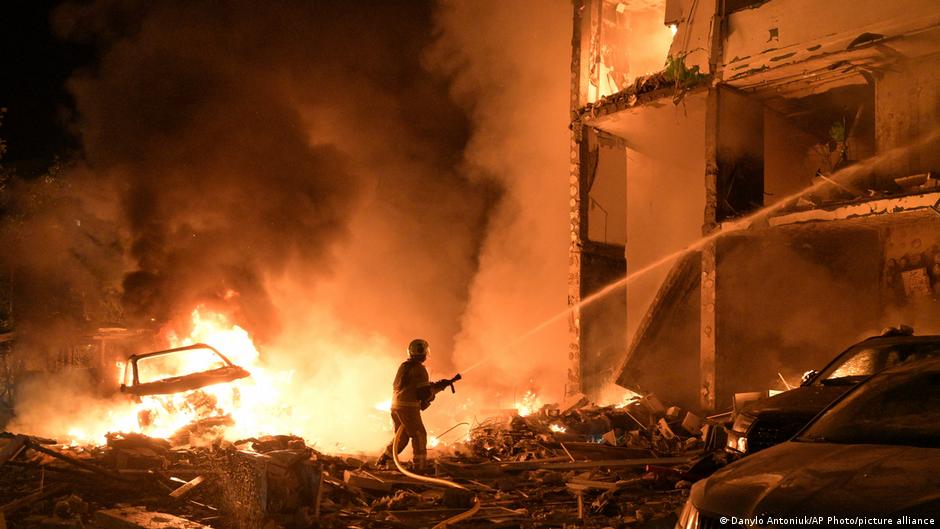
In the early hours of July 10, Kyiv experienced a series of ballistic missile strikes launched by Russian forces, resulting in at least six injuries and significant infrastructure damage. The attacks, which began around 03:38 local time, were notably preceded by delayed air raid warnings, adding to the chaos in Ukraine's capital.
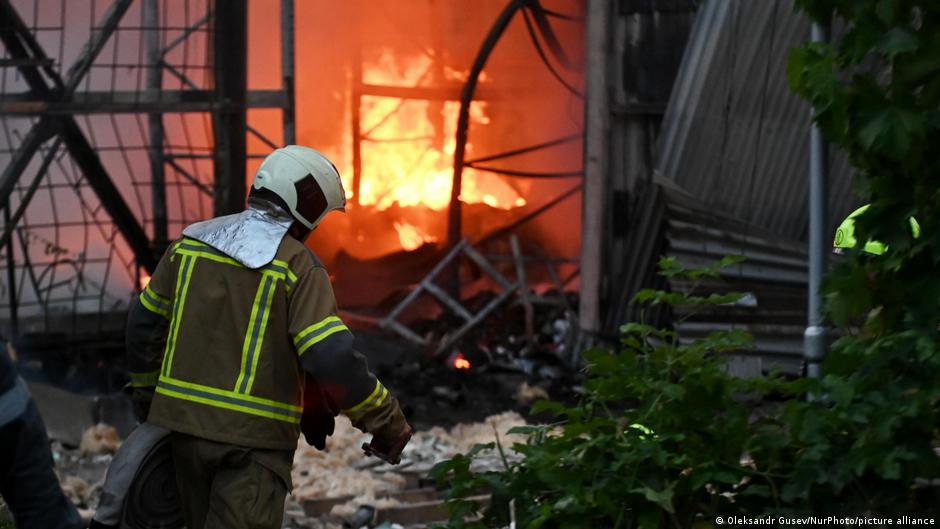
According to local authorities, the missile impacts caused fires at a transformer substation in the Darnytskyi district and an office building in the Solomianskyi district. Additional destruction was reported in the Sviatoshynskyi and Dniprovskyi districts, affecting primarily non-residential buildings. Mayor Vitali Klitschko confirmed that three casualties received on-site medical assistance while the remainder were hospitalized.
Market Implications and Sector Rotation
The renewed escalation in eastern Europe amid Russia's intensified military operations has reverberated across global financial markets. Wall Street saw increased volatility, with investors reassessing risks related to energy, defense, and technology sectors.
"Heightened geopolitical tensions are driving a cautious approach among traders, evidenced by enhanced trading volumes in energy and defense stocks," noted an equity research analyst specializing in Eastern European markets.
The persistent missile strikes against Ukrainian infrastructure, including recent targeted drone attacks on Russian oil refineries, have contributed to fluctuating oil and gasoline prices. Ukraine's strategy of applying what President Volodymyr Zelensky describes as "long-range sanctions" seeks to destabilize the Russian fuel supply chain, potentially accelerating sector rotation within energy equities.
On the trading floors, energy stocks have shown resilience amid these developments, as concerns over supply disruptions persist. Defense contractors have also garnered increased attention, reflecting investor expectations of prolonged conflict and corresponding government defense budgets.
However, the broader market remains sensitive to the risk of expanded hostilities. The delayed air raid alerts in Kyiv and increasing civilian casualties highlight the unpredictable nature of the conflict, influencing investor sentiment and prompting heightened scrutiny of risk assets.
Continued Conflict and Equity Research Perspectives
International bodies have reported that May and June 2026 marked the deadliest months for Ukrainian civilians since the full-scale invasion began. The United Nations Secretary-General’s deputy for political affairs noted a significant rise in civilian casualties during this period, with over 500 deaths and nearly 1,800 injuries reported in June alone.
The ongoing violence, coupled with Russia’s uncompromising stance on capturing the Donbas region, underscores the prolonged nature of the conflict. This backdrop drives equity research teams to continuously update risk assessments and sector weightings, especially for portfolios exposed to European energy and defense sectors.
President Zelensky announced the formation of a specialized Ukrainian command to coordinate continued drone and missile strikes against Russian oil infrastructure, signaling a strategic intensification aimed at pressuring Moscow economically and politically.
In contrast, Kremlin insiders convey President Vladimir Putin's firm commitment to further escalation, emphasizing a complete takeover of the Donbas. This hardened position adds a layer of uncertainty that financial markets must navigate carefully.
Investors and traders are advised to monitor geopolitical developments closely, as shifts in conflict dynamics are likely to influence sector rotations, trading volumes, and stock performance in defense, energy, and related industries.