Russian Attacks on Ukrainian Regions Impact Key Infrastructure and Raise Market Concerns
Russian strikes cause casualties and damage in Ukraine, intensifying geopolitical risks affecting sector rotation and trading volumes on Wall Street.
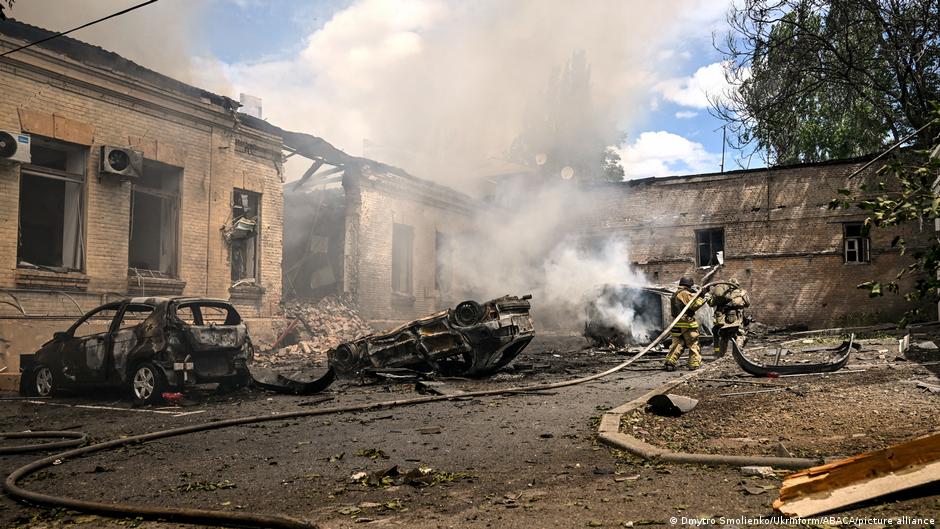
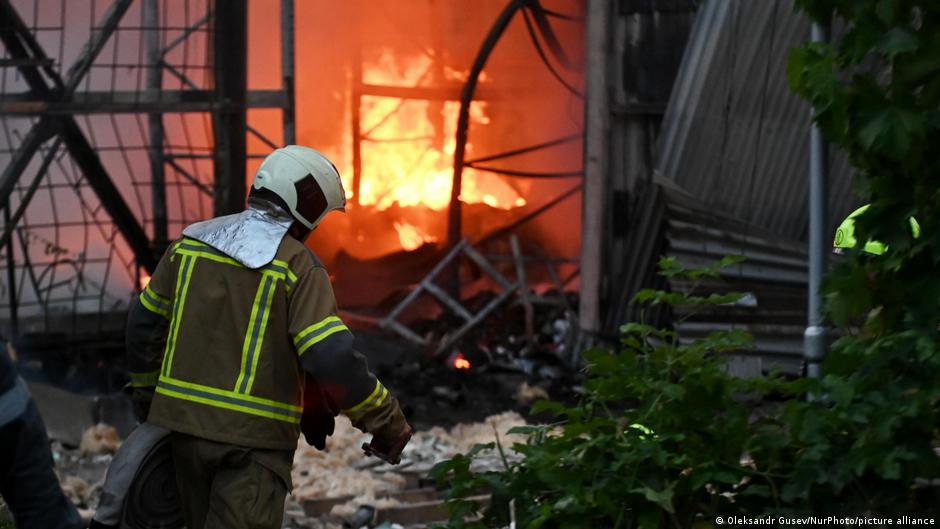
On July 5, Russia launched a series of aerial attacks on multiple regions across Ukraine, employing air bombs, missiles, and drones. The assaults primarily targeted cities including Kharkiv and Zaporizhzhia, resulting in four fatalities and 25 injuries, according to local authorities. These developments have heightened geopolitical tensions, influencing market dynamics and investor sentiment on Wall Street.
Market Implications of Escalating Conflict
The renewed wave of attacks has significant implications for global equity markets, particularly in sectors sensitive to geopolitical risk such as energy, defense, and logistics. The strikes damaged critical infrastructure, including residential properties, a postal sorting center, and gas stations, which may disrupt supply chains and elevate operational risks for companies operating in or near the conflict zones.
Investors have responded with cautious trading activity, reflected in fluctuating volumes and shifts in sector allocations. Energy stocks, particularly those linked to European gas supplies, have demonstrated increased volatility amid concerns over supply disruptions. Defense contractors have seen mixed reactions as markets weigh the prospect of prolonged conflict against potential government spending increases.
"The escalation in hostilities underscores the fragility of regional stability, prompting investors to reassess risk exposure and portfolio allocations in affected sectors," said a market analyst.
Sector rotation appears underway as traders move away from high-risk assets toward safer investments. Financial firms with exposure to Eastern Europe are reassessing credit risks, while logistics companies face operational challenges due to infrastructure damage and heightened security risks.
Trading volumes on Wall Street have reflected this cautious sentiment, with intermittent spikes during periods of intense news flow on the conflict. Equity research desks are closely monitoring these developments, adjusting earnings forecasts and recommendations to account for the heightened uncertainty.
Furthermore, Ukrainian President Volodymyr Zelensky has issued warnings based on intelligence about the imminent threat of a new massive Russian offensive. This follows a recent unprecedented strike on Kyiv on July 2, which resulted in 31 deaths and over 100 injuries, underscoring the potential for further escalation.
Regional authorities have also issued specific risk advisories, including recommendations to avoid gas stations due to their vulnerability to attacks. Such warnings highlight the broader socio-economic disruptions stemming from the conflict, which could weigh on consumer confidence and corporate profitability in the near term.
Overall, the ongoing conflict continues to inject volatility into global markets. Investors and analysts remain vigilant, recognizing that geopolitical risks remain a critical factor influencing sector performance and trading behaviors on Wall Street.