Russian Air Strikes on Ukrainian Cities Raise Concerns Amid Market Uncertainty
Russian attacks on Zaporizhzhia and Sumy disrupt civilian areas, impacting regional stability and investor sentiment.
On July 19, Russian military forces launched precision air bomb (KAB) strikes on the Ukrainian cities of Zaporizhzhia and Sumy, resulting in multiple casualties and significant damage to civilian infrastructure. These developments have introduced heightened geopolitical risks that could influence sector rotations and trading volumes on Wall Street.
Impact of Strikes on Civil Infrastructure and Market Sentiment
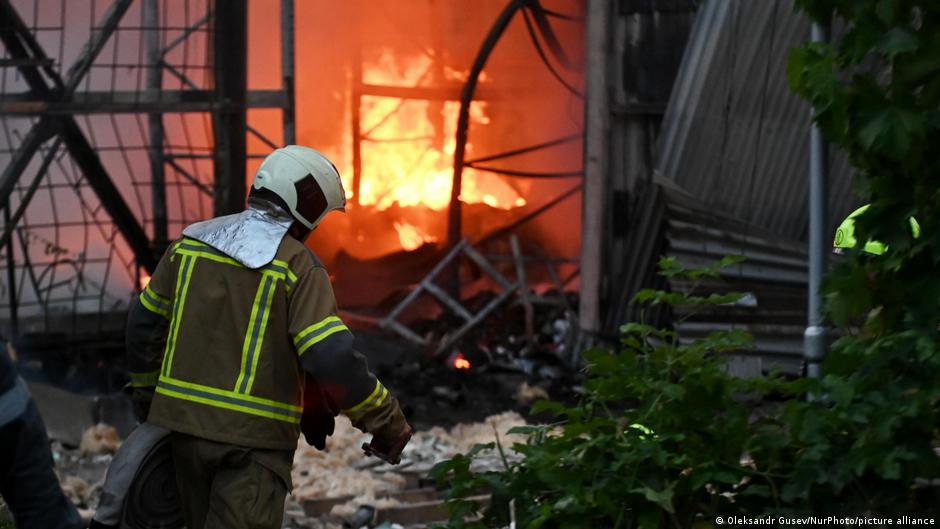
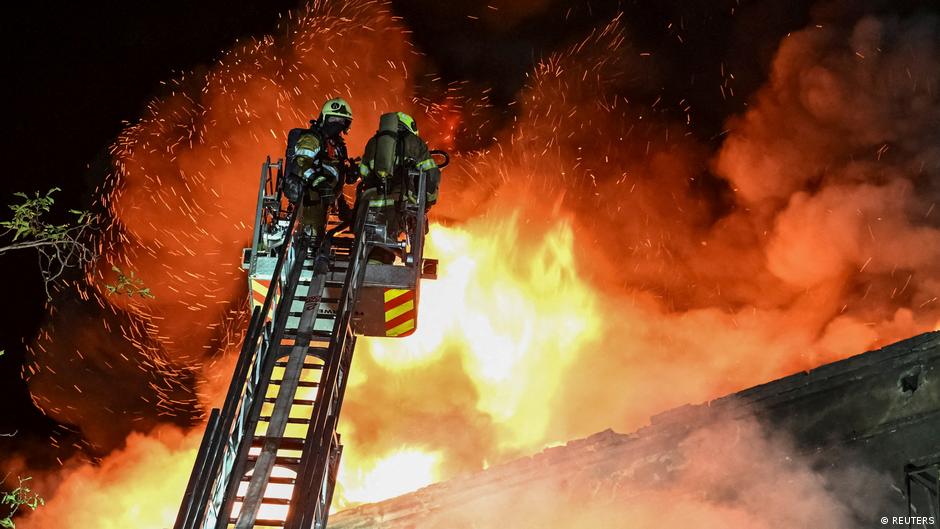
The attack on Zaporizhzhia targeted residential areas, destroying two floors of a five-story apartment building and damaging windows and balconies of a nearby nine-story building. A logistics operator’s terminal also caught fire, compounding the damage. According to Ukrainian emergency services, two civilians were killed and at least 42 others, including eight children, were injured in the strike.
Earlier the same day, Sumy faced similar aggression with several guided bombs striking civilian infrastructure in the Kovpakivskyi district. These assaults resulted in one fatality and multiple injuries, as well as damage to both residential and industrial zones.
“Preliminary reports indicate seven precision-guided bombs were used, causing damage across residential and industrial sectors,” noted Oleg Hryhorov, head of Sumy’s regional military administration.
The escalation in hostilities raises concerns about regional stability in Eastern Europe, an area already under scrutiny by equity analysts and investors focused on defense, energy, and infrastructure sectors.
Market Implications: Sector Rotation and Trading Volumes
With increased geopolitical tensions, analysts anticipate a shift in investor preferences. Defense stocks could see heightened interest as governments may increase military spending in response to escalating conflicts. Energy markets remain volatile given the region's strategic role in energy transit routes.
Equity research teams emphasize monitoring the impact on logistics and industrial companies operating in Eastern Europe, as infrastructure damage may disrupt supply chains. Trading volumes could increase as investors respond to uncertainty, reallocating capital toward safer assets or sectors expected to benefit from increased defense budgets.
"Such developments often trigger short-term market volatility, but can also create investment opportunities in defense and energy sectors," said a market strategist. "Investors should closely watch updates on regional security and infrastructure resilience."
Overall, the strikes in Zaporizhzhia and Sumy underscore the continuing volatility in the region, with potential ripple effects across global financial markets.