Russia Says Goethe-Institut Branches to Close After Berlin Cultural Pact Ends
Moscow's retaliation over Berlin's move against the Russian House sharpens sanction risk for investors already tracking Europe-Russia exposure.
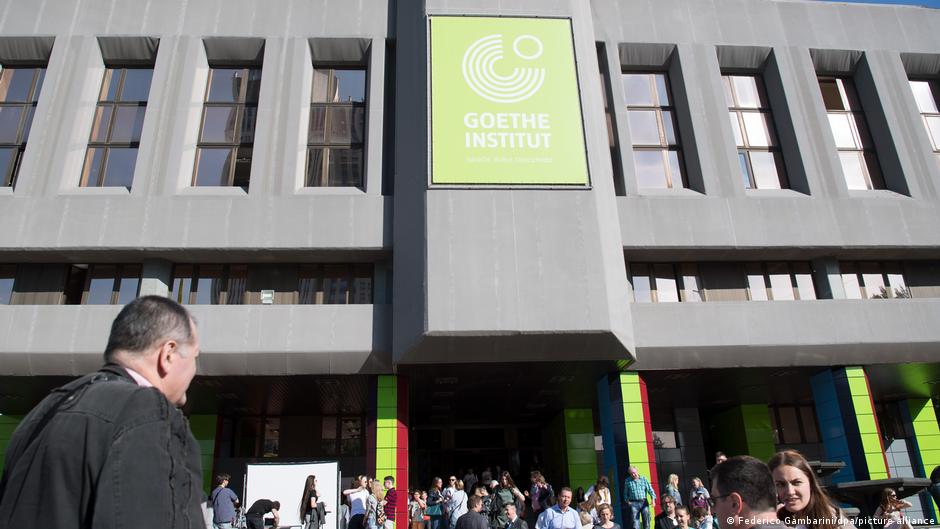
Russia will close all three branches of Germany's Goethe-Institut in the country after Berlin decided to terminate its agreement with Moscow on the operation of the Russian House in Berlin, Russian Foreign Minister Sergei Lavrov said on Thursday, September 3, at the Eastern Economic Forum in Vladivostok.
For investors, the immediate significance is less about direct earnings exposure to the cultural institutions themselves and more about what the step signals: a further hardening in the political relationship between Germany and Russia after Berlin tightened sanctions and linked Moscow to a drone incident at Leipzig airport in August. The latest exchange adds to the broader risk backdrop around cross-border operations, sanctions enforcement and the residual corporate footprint that still connects the two economies.
Lavrov said the German authorities' decision to end the agreement governing the Russian House in Berlin would be met with reciprocal action against the Goethe-Institut in Russia. He said Germany had institutes in Moscow, St. Petersburg and Yekaterinburg. However, according to the institute's own information, its third branch in Russia is in Novosibirsk, not Yekaterinburg.
“Of course, they will be closed, after our cultural center was expelled from there,” Lavrov said, according to the ministry's broadcast of his remarks.
Lavrov argued that the German authorities had deliberately taken a step that, in his view, clearly meant ending Germany's cultural presence in the Russian Federation, which had remained despite what he called the “Ukrainian vicissitudes” in Russia's relations with the West.
Deutsche Welle said it had asked the Goethe-Institut leadership for comment.
Sanctions escalation keeps geopolitical risk in focus
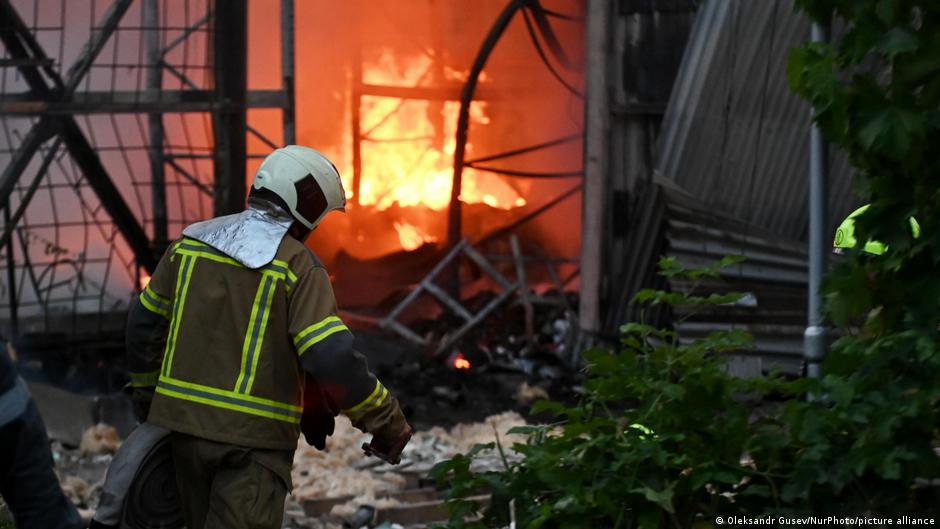
The market angle comes from the sequence behind Lavrov's remarks. Germany said a day earlier that it would tighten sanctions against Russia after assigning responsibility to Moscow for the drone incident at Leipzig airport in August. German officials said the decision followed an examination of the drones' settings and certain components that had also been used in other hybrid incidents.
German Interior Minister Alexander Dobrindt had pointed to those findings in explaining the tougher stance. In response, the German government ordered the closure by September 18 of Russia's last remaining consulate general in the country, located in Bonn, and said it would terminate the agreement covering the Russian House in Berlin. German Foreign Minister Johann Wadephul said that same agreement also regulated the Goethe-Institut's work in Russia.
Berlin also said it would tighten controls on the entry of Russian citizens into the country and strengthen measures against Russia's so-called shadow fleet.
For equity investors, those measures matter because they reinforce the pattern of sanctions expanding from headline political disputes into operational restrictions. The closure of a consulate, the end of a bilateral cultural agreement and tighter border controls do not by themselves point to a single obvious listed winner or loser based on the information available in the source material. What they do indicate is a continued deterioration in the policy environment surrounding travel, logistics, compliance and any remaining commercial activity exposed to Russia-related regulatory risk.
That matters for sector rotation. When sanctions risk rises, investors typically watch whether money moves away from cross-border cyclicals and transport-linked names and toward areas seen as more insulated from geopolitical disruption. In this case, the new German measures tied to the Leipzig airport incident are likely to keep attention on companies with exposure to freight corridors, border screening, insurance, shipping compliance and broader Europe-facing industrial supply chains, even though no company-specific guidance or trading-volume data were included in the official statements cited here.
From an equity research perspective, the key point is that the latest steps suggest the sanctions framework remains dynamic rather than settled. Analysts covering European names with residual Russia links, or firms affected by enforcement against the shadow fleet, are likely to focus less on the direct financial impact of a cultural dispute and more on whether the move foreshadows further administrative or legal barriers. The closure of the Goethe-Institut branches is a retaliatory symbol, but the broader signal is that Berlin and Moscow are still willing to escalate through formal state mechanisms with implications for operating conditions.
That makes the story relevant for investors following risk premiums rather than immediate revenue changes. The Leipzig drone case has already pulled airport security, cross-border oversight and hybrid-incident attribution into the sanctions debate. Berlin's response now extends into diplomacy and cultural infrastructure, while Moscow's response removes what Lavrov himself described as Germany's remaining cultural presence in Russia.
For now, the clearest market takeaway is that Europe-Russia tensions remain capable of producing new sanctions-linked developments with little warning. That backdrop can influence sentiment across sectors even when a headline does not contain direct corporate actions, named listed companies or disclosed financial effects. Investors looking for a clean single-stock read-through may not find one in this announcement alone. But for those tracking geopolitical risk, compliance costs and the durability of Europe's Russia policy, Thursday's exchange adds another data point in a still-tightening environment.