Russia Extends Use of Euro-3 Gasoline Until 2026 Amid Fuel Supply Constraints
Russian government permits circulation of Euro-3 standard fuel until 2026 to stabilize domestic energy markets amid refinery disruptions.
The Russian government has officially authorized the continued circulation of gasoline and diesel fuels meeting the Euro-3 environmental standard until the end of 2026. This decision, formalized in a government decree signed by Prime Minister Mikhail Mishustin on July 2, extends the use of an outdated fuel quality class characterized by higher sulfur content.
The Euro-3 standard, which was the European norm between 2000 and 2005, allows for sulfur concentrations up to 150 mg/kg in gasoline and 350 mg/kg in diesel. In contrast, the more stringent Euro-5 standard restricts sulfur to just 10 mg/kg, representing a 15-fold and 35-fold increase respectively in permissible sulfur levels under Euro-3.
Strategic Response to Refinery Disruptions and Fuel Shortages
This regulatory relaxation is part of a set of "preventive measures aimed at preventing destabilization in the domestic energy market," according to the Russian Ministry of Energy. Notably, fuels meeting the Euro-3 standard will not bear the Eurasian Economic Union’s unified product circulation mark and will not be exported to other EEU member states, underscoring the domestic-only application of this policy.
"The move to lower fuel standards facilitates the use of crude oil without deep refining and allows engagement of refining capacities unable to produce higher-quality fuel," explained Dmitry Prokofiev, Communications Director at NEFT Research.
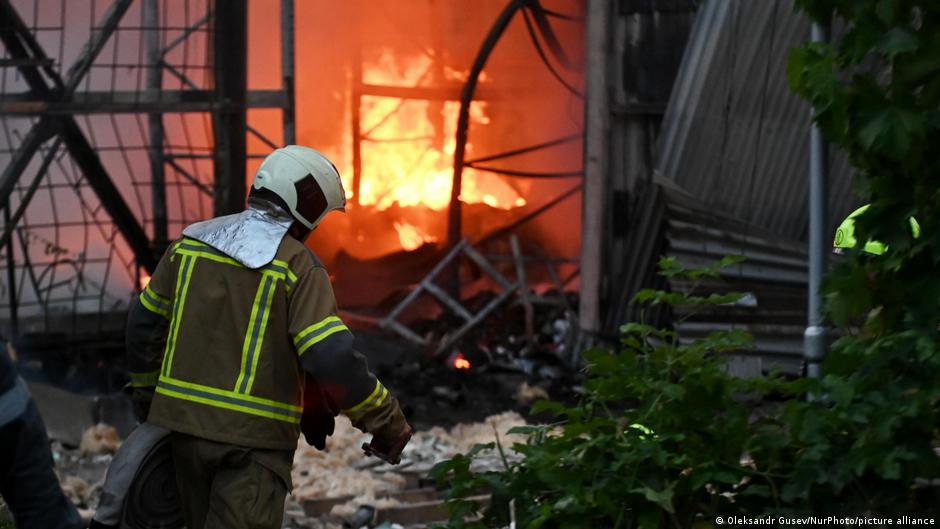
The country’s fuel crisis has been exacerbated by targeted attacks from Ukrainian Armed Forces on critical refining infrastructure. In late May, the Moscow-based Kapotnya refinery—responsible for approximately 40% of the capital's fuel supply—was struck twice in one week, resulting in shutdown until late 2026 or early 2027.
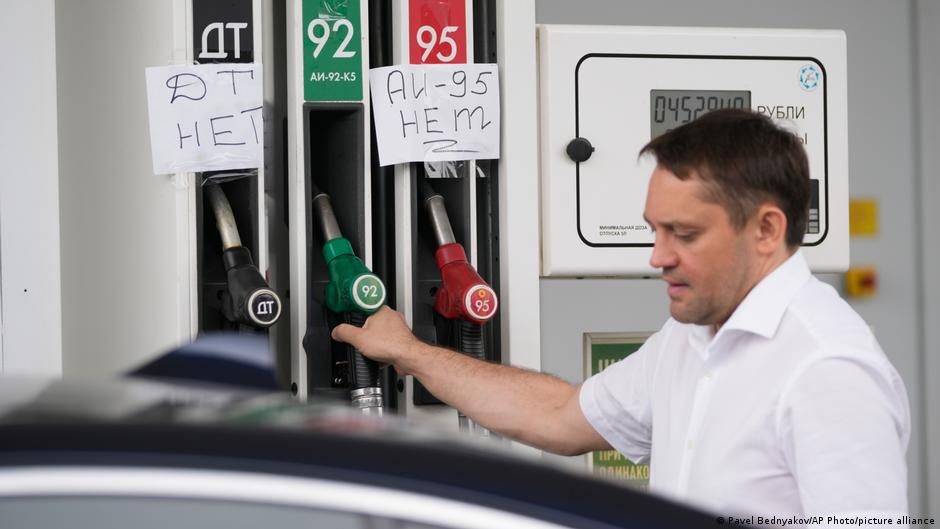
Production data from Reuters highlights a 25% drop in gasoline output year-over-year to 85,000 tons per day in June, against a summer demand of 110,000 tons. Restrictions on fuel sales have been officially imposed in over 40 Russian regions, and supply complaints have been reported from as many as 85 regions, including occupied Ukrainian territories.
Inventory analyses by the Kpler agency indicate that gasoline stocks have decreased by several hundred thousand tons over the last three months. Russian President Vladimir Putin has publicly acknowledged the fuel shortage as a serious issue.
Market Implications and Sector Rotation
From a market perspective, this move is likely to have varied impacts on Russian oil and refining stocks. The utilization of lower-grade fuel production could benefit smaller or less technologically advanced refineries that had been sidelined due to stricter fuel standards. Conversely, companies specializing in higher-quality fuels may face margin pressure due to reduced demand for premium products.
Trading volumes in energy sector equities may see increased volatility as investors and analysts reassess the longevity of refinery operations and the shifting regulatory landscape. The extended use of Euro-3 fuels signals a temporary retreat from environmental standards, impacting the sector’s long-term sustainability outlook.
Equity research teams will need to adjust forecasts for Russian energy companies to factor in the extended operational delays at key facilities like Kapotnya, potential shifts in product mix, and ongoing geopolitical risks affecting exports and supply chains.
Overall, this policy reflects a trade-off between short-term supply stability and long-term environmental commitments, with significant implications for sector rotation strategies and investor positioning in Russian energy equities.