Rising Russian Oil Exports Hit 2026 High Amid Market Shifts and Price Pressures
Russia’s sea oil exports reach their highest weekly volume in 2026 despite falling prices and rising competition from Iran.
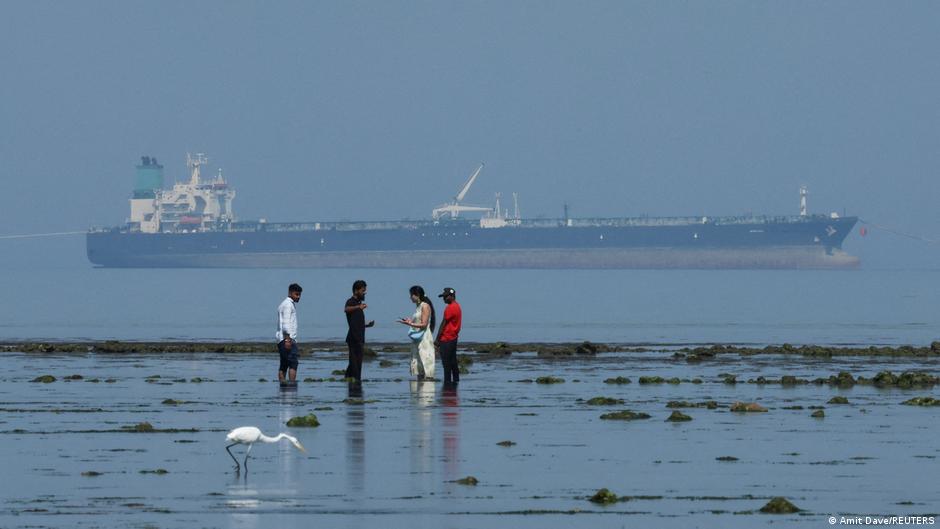
Russian maritime oil exports surged to a peak level not seen since the start of 2026, according to recent data, as global energy markets respond to shifting geopolitical dynamics and easing tensions between the U.S. and Iran.
Export Growth Amidst Market Turbulence and Sanctions Relief
Between June 15 and June 21, 38 tankers transported a total of approximately 28.79 million barrels of Russian crude oil—averaging around 4.11 million barrels per day. This volume marks the highest weekly export figure for Russia in 2026, surpassing the annual average export levels recorded since the onset of the conflict in Ukraine.
The uptick in export activity follows the temporary lifting of U.S. sanctions on Russian oil shipments at sea. The waiver, designed to alleviate global fuel shortages triggered by the blockade of the Strait of Hormuz amid the recent hostilities involving Iran, was in effect until June 17. However, no announcement has been made regarding an extension of this exemption.
"The temporary suspension of sanctions enabled Russia to accelerate its maritime oil shipments, even as competition intensifies in key markets like India," market analysts note.
Price Declines and Sectoral Implications on Wall Street
While export volumes rose, Russian oil revenues have declined sharply. The easing of the U.S.-Iran standoff—highlighted by the reopening of the Strait of Hormuz and the lifting of port blockades—has allowed Iranian crude to flow freely again. This development has pressured global oil prices downward by approximately 16%, with Russian crude varieties, including Urals and ESPO, experiencing price drops near 20% over the past week.
The reintroduction of Iranian oil supplies is also expected to displace Russian Urals crude in the Indian market. To maintain market share, Russia may need to increase export discounts, potentially compressing profit margins further. Additionally, recent attacks by Ukrainian forces on Russian refineries have disrupted domestic refining capacity, forcing Russia to export more raw crude instead of processed products—a trend that could amplify downstream price pressure.
Market Impact and Sector Rotation on Wall Street
These developments are influencing trading volumes and sector rotations on Wall Street. Energy sector equities linked to Russian oil exports face downward pressure as profitability concerns mount amid falling prices and higher export discounts. Commodity traders are adjusting positions in crude futures, reflecting increased volatility and geopolitical risk premiums.
Equity research firms are revising outlooks for oil producers and refining companies exposed to Eastern Hemisphere supply shifts. Investors are closely monitoring the interplay between geopolitical negotiations, sanction policies, and strategic export decisions by major oil producers such as Russia and Iran.
As global oil markets recalibrate, the dynamics of supply competition and price fluctuations underscore the complex challenges oil-exporting nations face in sustaining revenue streams amid geopolitical constraints and evolving trade relationships.