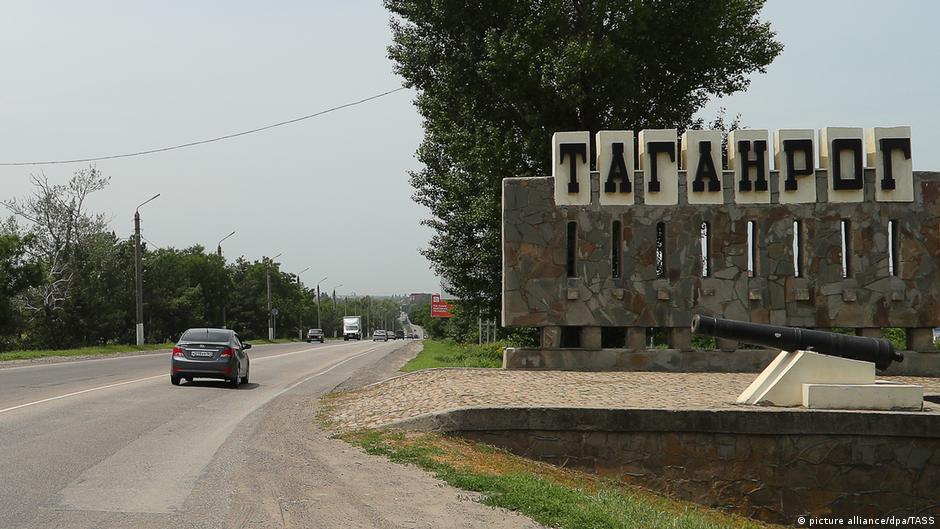
Rising Fuel Prices in Crimea Signal Sectoral Pressure on Energy Stocks Amid Russian Supply Constraints
Gasoline prices in Crimea nearly doubled in one week, highlighting supply issues that could impact Russian energy markets and related equities.
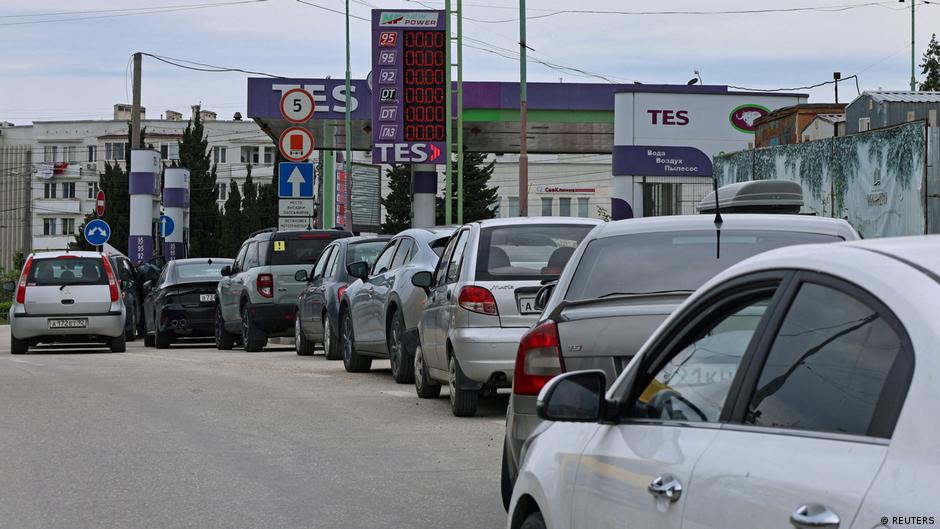
Fuel prices in the annexed region of Crimea surged by an average of 78.4% during the first week of July, with AI-95 gasoline marking an increase of 92% to 170.59 rubles per liter. This sharp rise was disclosed in a recent report by Russian statistical agency Rosstat, underscoring significant supply disruptions in the region. The price spike outpaces increases seen in other Russian regions and occupied territories, signaling potential sectoral stress within the domestic energy market.
Implications for Energy Stocks and Market Dynamics
The sudden acceleration in fuel prices amid an ongoing shortage of gasoline and diesel across Russia reflects complex challenges facing the country’s energy supply chain. Since late May, attacks on Russian oil refineries and energy infrastructure have exacerbated fuel deficits, leading to long queues at gas stations and temporary closures. In response, Russia has implemented export bans on diesel fuel through July to stabilize the domestic market, further tightening supply and influencing pricing dynamics.
"The restriction of diesel exports—including by producers—is aimed at stabilizing the internal fuel market amid persistent shortages and infrastructure disruptions," said a government official during a recent cabinet meeting.
For investors, these developments could prompt sector rotation away from Russian energy equities, particularly those linked to downstream oil refining and fuel distribution, as price volatility and supply chain risks intensify. The Russian government’s emergency measures, such as allowing the sale of lower-quality Euro-3 grade fuels and expanding foreign fuel imports from India, Kazakhstan, and potentially Japan, underscore the pressure on domestic production capabilities and energy security.
Trading volumes in energy sector stocks may experience increased volatility in the near term as investors assess the impact of export restrictions and rising fuel costs on company earnings. Additionally, companies reliant on stable fuel supply chains could face operational challenges, influencing equity research outlooks for the Russian oil refining subsector.
The broader market may also witness a ripple effect, as higher domestic fuel prices contribute to inflationary pressures, potentially impacting consumer spending and industrial costs across sectors. From a strategic investment perspective, the ongoing fuel crisis in Russia highlights the geopolitical risks embedded in energy markets, emphasizing the need for careful portfolio adjustments in response to evolving supply constraints and government interventions.