Political Turmoil in Russia Adds Pressure on Market Sentiment and Sector Rotation on Wall Street
The incarceration of pro-Kremlin blogger Ilya Remeslo amid political dissent raises concerns impacting specific stocks and trading volumes.
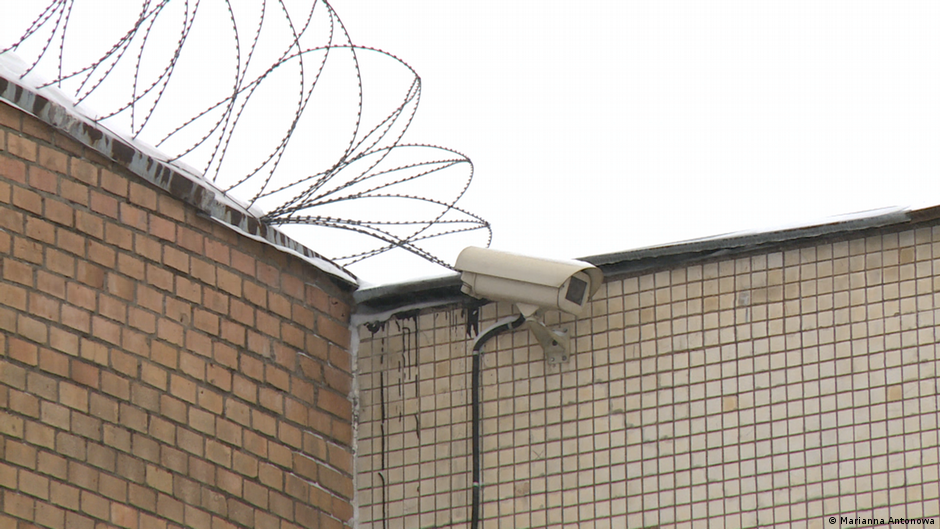
In a development that reflects ongoing political tensions in Russia, pro-government blogger Ilya Remeslo has been detained and placed in pre-trial detention following a psychiatric examination related to a case accusing him of spreading false information about the Russian military. This case has attracted attention not only for its political implications but also for its potential ripple effects on global markets, particularly on Wall Street.
Impact on Market Sentiment and Sector Rotation
Remeslo, once a staunch supporter of the Kremlin and known for his aggressive opposition to Russian political dissidents, notably shifted his stance in March 2026 by openly criticizing President Vladimir Putin and the war in Ukraine. His denunciations included charges of power usurpation and war crimes, which led to legal actions against him, including psychiatric hospitalization and subsequent detention.
The heightened political instability in Russia, underscored by such high-profile cases, tends to raise investor uncertainty and can influence sector rotation strategies on Wall Street. Investors often respond to geopolitical risks by shifting capital away from sectors perceived to have higher exposure to regional instability, such as energy and materials, and reallocating towards more defensive sectors like technology and consumer staples.
"Political repression and dissent in key global economies can create volatility that extends beyond borders, influencing trading volumes and equity research outlooks," notes an equity analyst specializing in emerging markets.
In this context, stocks linked to Russian energy companies and commodities have seen increased volatility. The uncertainty surrounding Russia's domestic political landscape raises concerns about potential sanctions, export restrictions, and disruptions in supply chains that are critical for global markets.
Equity research teams have been closely monitoring developments, advising investors to maintain cautious positioning. Trading volumes in sectors with direct or indirect ties to Russia have experienced fluctuations as traders attempt to gauge the longer-term impact of political events.
The case also highlights a broader risk environment where geopolitical narratives influence investor confidence. The interplay between political dissent, government response, and media coverage creates a complex backdrop for market participants seeking to navigate emerging market equities.
As the situation evolves, Wall Street's response will likely continue to reflect concerns about political stability in Russia, with repercussions for sector allocation and stock performance worldwide.