Paraguay Banking Crisis Raises Risk Watch for Financial and Emerging-Market Stocks
The detention of former President Santiago Peña deepens uncertainty after Ueno’s liquidity crisis locked millions of customers out of accounts.

A banking crisis in Paraguay has escalated into a political and legal shock, with former President Santiago Peña placed in pretrial detention after the Senate removed him from office over suspected conflicts of interest. For Wall Street investors, the immediate focus is likely to fall on financial-sector exposure, emerging-market risk and companies dependent on Paraguay’s domestic payments system.
A Paraguayan court ordered Peña held while investigators examine his alleged role in the crisis, which has affected several million residents. Judge Humberto Otazú said after a hearing on Saturday, October 7, that authorities needed to ensure the former president remained in the country.
“It is necessary to ensure that he remains in the country,” Otazú said.
Prosecutors have charged Peña with breach of trust and using public office for personal benefit. They have also requested that his assets be frozen, along with those of former Central Bank of Paraguay chief Carlos Carvalho, who faces similar allegations. Peña declined to testify in court, according to the report.
Financial-sector disruption drives the market risk
The crisis centers on Ueno bank, which was transferred to the control of Paraguay’s central bank at the beginning of the week because of liquidity problems. Peña’s links to the lender are under scrutiny: until 2025, he owned stakes in the corporate group that controlled Ueno.
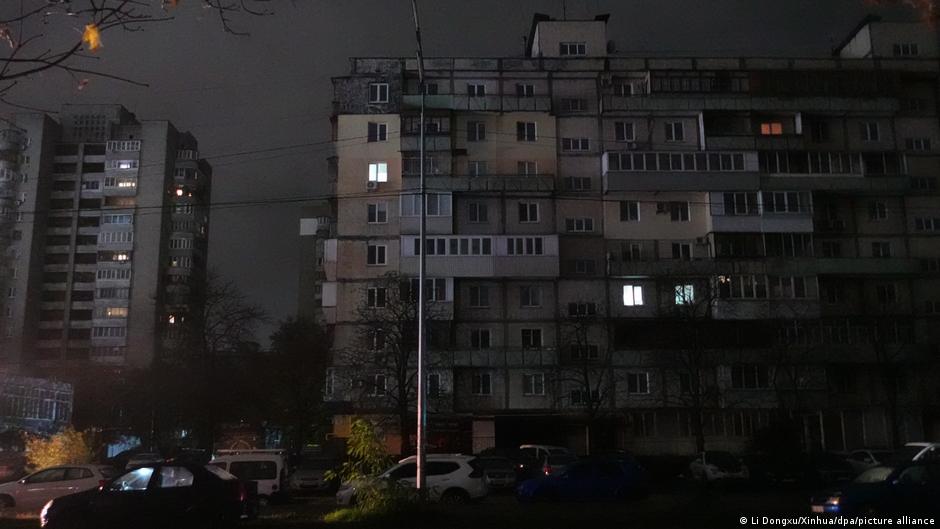
Since the central bank intervention, about three million Ueno customers—nearly half of Paraguay’s population—have been unable to access their accounts. The disruption has also affected numerous businesses, pension funds and government institutions, according to AFP.
That breadth of exposure makes the episode more than an isolated bank failure. Restricted access to deposits can interrupt consumer spending, payrolls, supplier payments and public-sector transactions. Pension-fund involvement also raises questions about the wider transmission of banking stress into institutional portfolios, although the source provides no figures for losses, capital shortfalls or recovery prospects.
The source identifies no U.S.-listed company with direct exposure to Ueno and provides no figures for trading volumes, share-price moves or changes in analyst ratings. As a result, any Wall Street impact would initially be expressed through broader risk positioning rather than a clearly defined single-stock trade. Investors could scrutinize regional banks, payment businesses, emerging-market funds and companies with operations in Paraguay, but the available information does not establish specific financial exposure for any listed security.
The lack of disclosed balance-sheet data also limits equity research conclusions. Analysts would need details on Ueno’s assets, liabilities, depositor hierarchy, corporate loan book and links to pension and government funds before estimating losses or potential recapitalization requirements. Until then, the principal equity-market signal is heightened governance and liquidity risk in a relatively small emerging market.
Impeachment removes immunity route
Peña offered to resign voluntarily on Thursday. Parliament instead accelerated impeachment proceedings so that he would not receive the status of senator for life, immunity and a possible means of avoiding criminal prosecution. The Senate voted unanimously to remove him.
Authorities placed Peña under house arrest within minutes of his removal. He was later transferred to military barracks in the capital, Asunción, where he was held in pretrial detention.
The sequence compounds the banking shock with institutional uncertainty. For international portfolio managers, that combination may encourage rotation away from financial assets perceived as vulnerable to political intervention and toward more liquid or defensive holdings. However, the source reports no documented sector rotation, abnormal trading activity or fund outflows, so a measurable market response cannot yet be established from the available facts.
Peña became president of Paraguay in 2023 after previously serving as finance minister. He is considered a political ally of the U.S. administration of Donald Trump. On November 6, the U.S. Embassy in Asunción expressed its “solidarity with the people of Paraguay” without mentioning the ousted president.
For equity investors, the next important developments will be the central bank’s handling of Ueno, the restoration of customer access, the treatment of pension and public-sector funds, and the outcome of the criminal investigation. Those events will determine whether the turmoil remains a domestic liquidity and governance crisis or develops into a broader concern for regional financial assets.